After two and a half weeks at Argelès, we followed the example of most other people, and left! First to Le Boulou to fare-well our friends Sylvie and Patrick, and then off, by way of Thuir and Prades, to Villefranche de Conflent, a distance of some 60 K. Founded in about 1090 at the confluence of the Tet and Cady rivers, it was an important control point for the routes which would use the two river valleys to travel between Spain and France. In 1126, it became a sort of capital of the area, and in 1263 , the King of Aragon, Jacques 1st, ordered the construction of three bridges on the Tet. But, they were severely damaged or destroyed by the great flood of 1421, and only the Pont Saint-Pierre was restored. During the 13th, 14th and 15th centuries, the town underwent several re-fortifications, but this did not stop the French besieging the town, and capturing it in 1654. Naturally, Vauban re-did the whole thing again, in 1669.
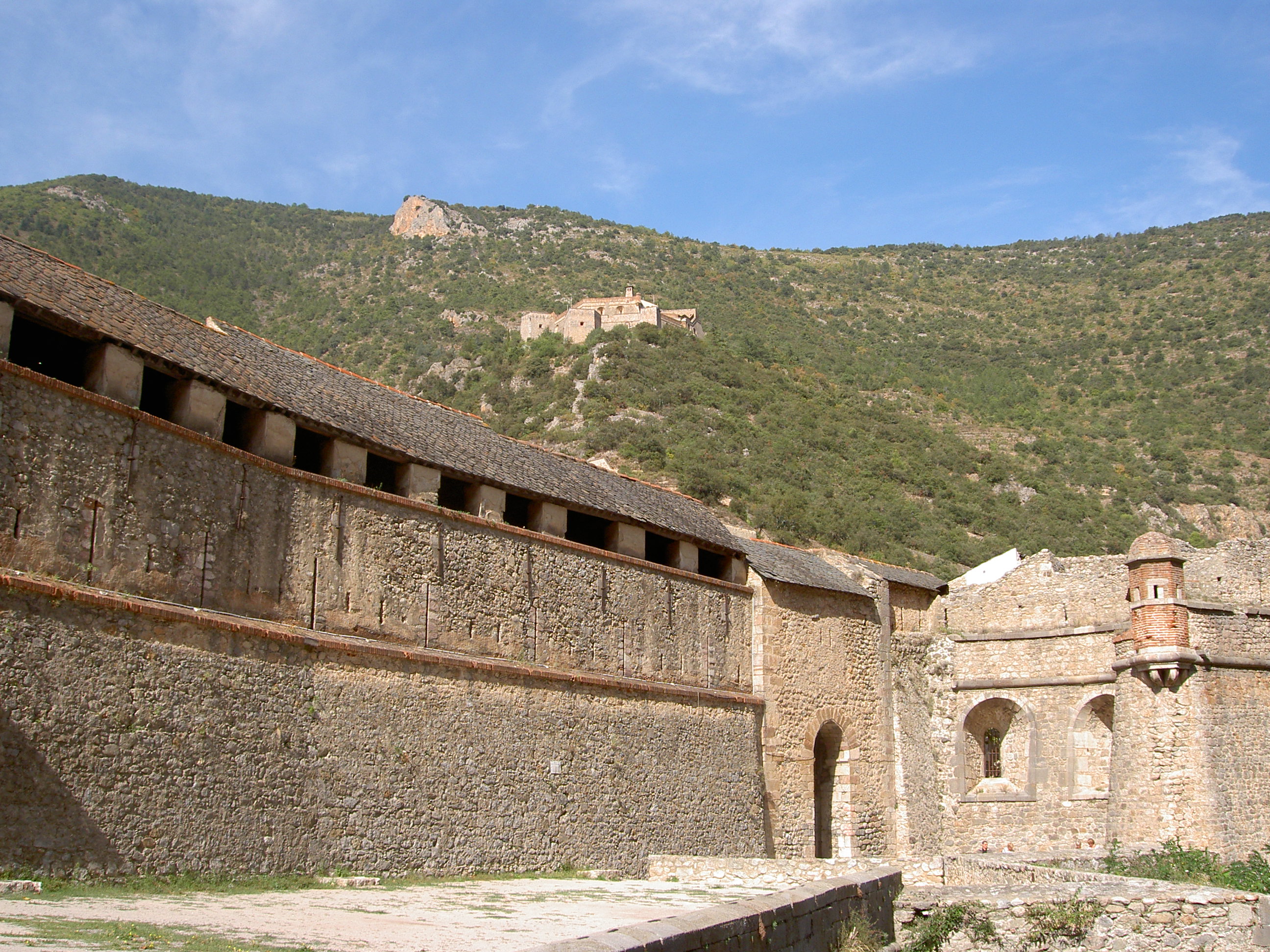
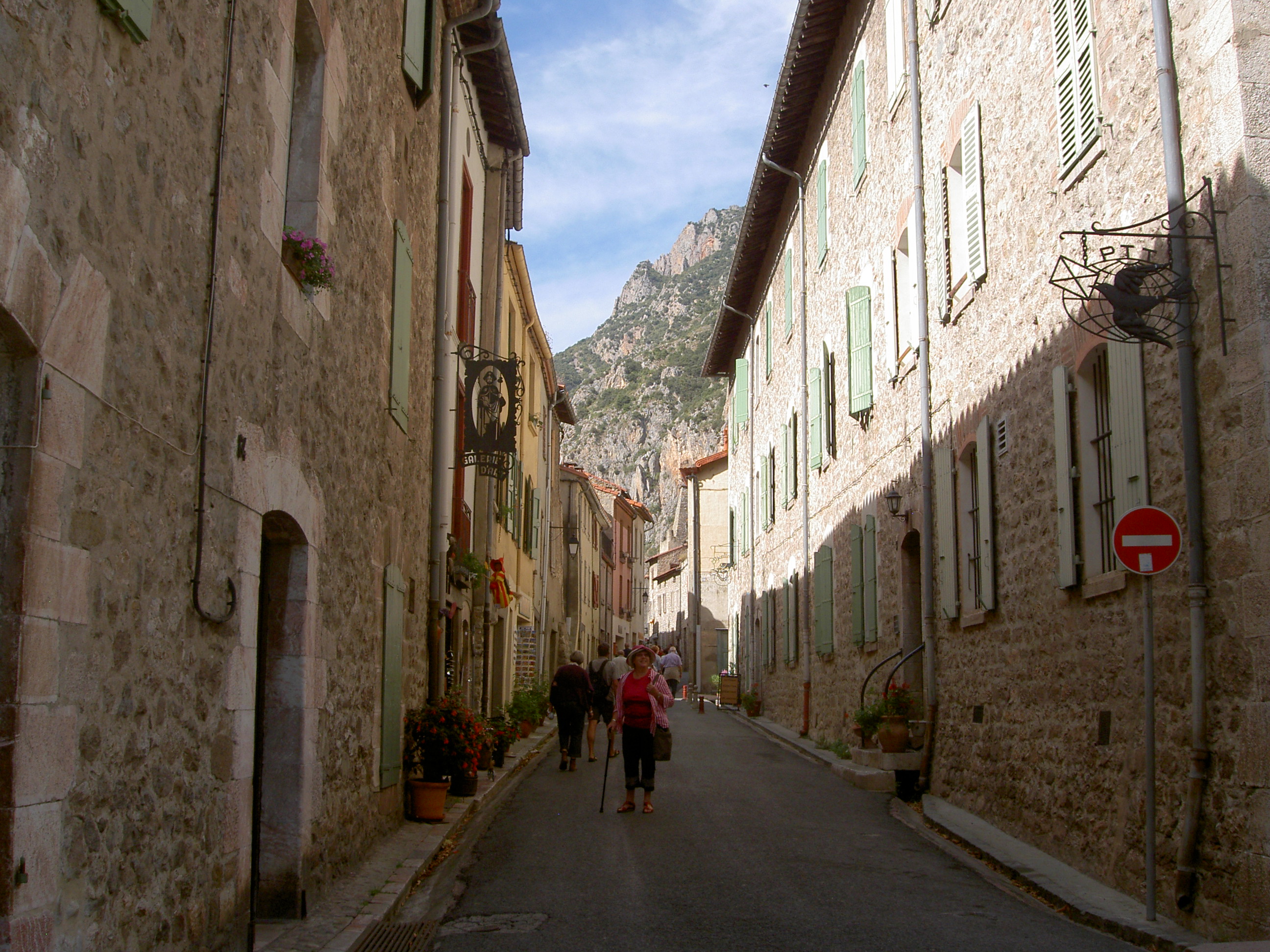
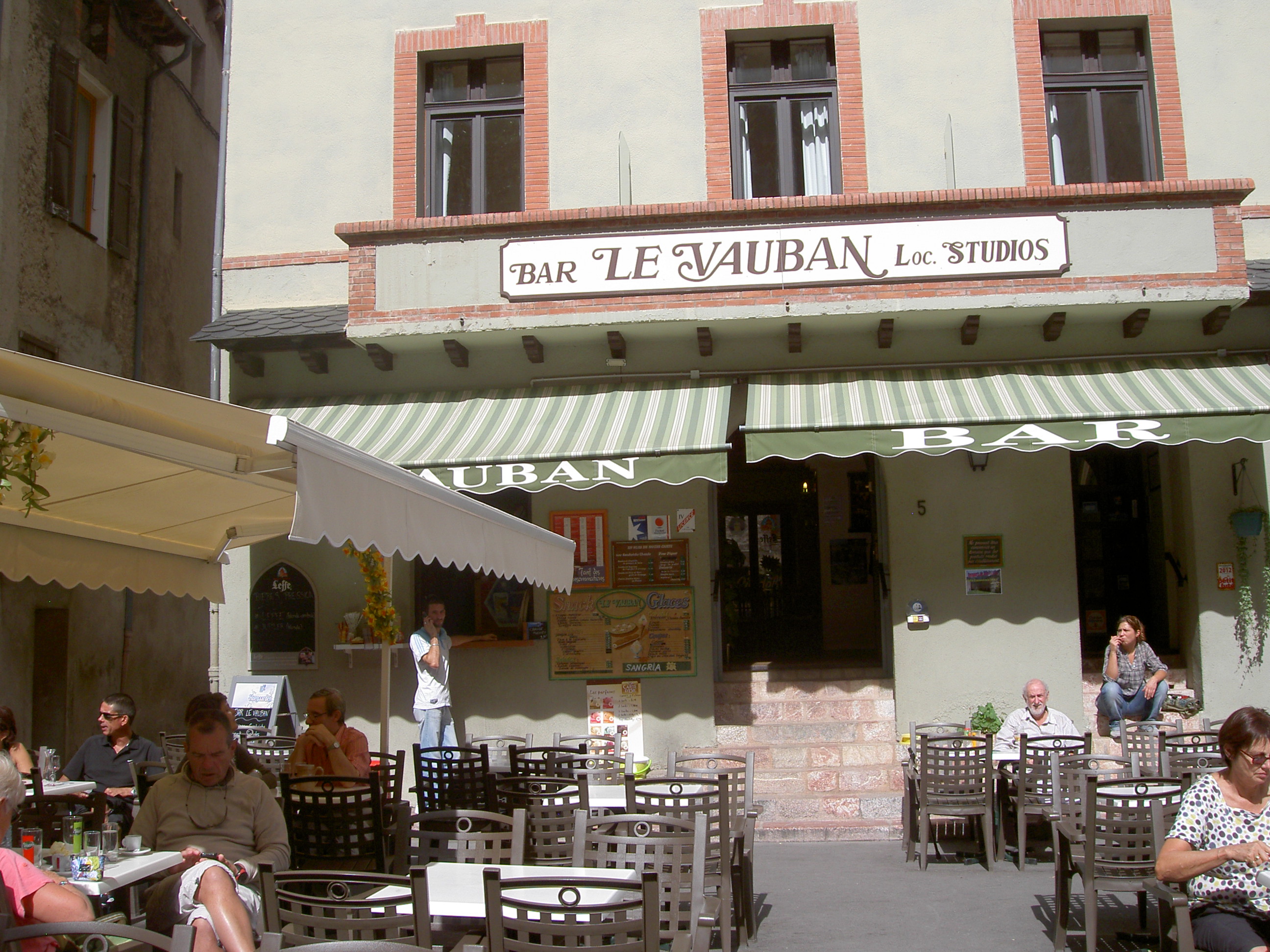
Work also began on a new fort, Fort Liberia, higher up on the hillside overlooking Villefranche. This work continued into the 18th century. Today, the whole town is a tourist venue, and the narrow stone streets are full of souvenir shops, cafes and bars.
We left Villefranche, and headed for Carcassonne by way of a yellow road through the mountains. It was a stunning trip, with fantastic gorges, some very steep and very narrow, others more like those in the Tarn with spectacular limestone features. At its highest point, the Col Du Jau, it is 1530M above sea level. We had seen part of this route on the Tour de France a couple of years ago, as it went along the river Aude through Axat. Unfortunately, the SD card in my camera was full, so I have no photos of this part of the trip!
We made it to Carcassonne about mid-afternoon, and found a very posh (for us, anyway!) 3-star 19th century hotel, with its own car-park. We were so tired from the mountainous driving that we simply decided to hang the expense and stay there the night! A quick freshen up, and we walked into the shopping area to find a shop selling SD cards. The part of Carcassonne that we went to first, was not the old fortified part, but nevertheless, it had straight, very narrow streets, all crossing at right-angles, and all one-way for traffic. It was largely re-built in the 19th century. The SD card purchased, a drink was called for, and we found a very nice café along one of the streets. Monsieur le Patron, was an interesting character who made us very welcome, and told us about the little train which we could catch from nearby, to go to the fortified city. So, refreshed with a beer, we left the cafe, and saw the little train approaching—but we were nowhere near the stopping point. However, the driver saw our plight, gesticulated the way to the stop, and waited for us to arrive, which was very kind. The train (like those in large shopping centres—ie, a car made to look like puffing Billy pulling a few open carriages), took us up the hill to the main gate—-but we had left our run a bit late as usual and the Church and the castle keep were closed. Also, we had missed the last train back to town, so after a quick look round (which was all that was needed as the most spectacular parts are seen from the outside—most of the internal bits being tourist souvenir shops and the like), we had a rather longer walk than we had anticipated over some very cobbly streets!
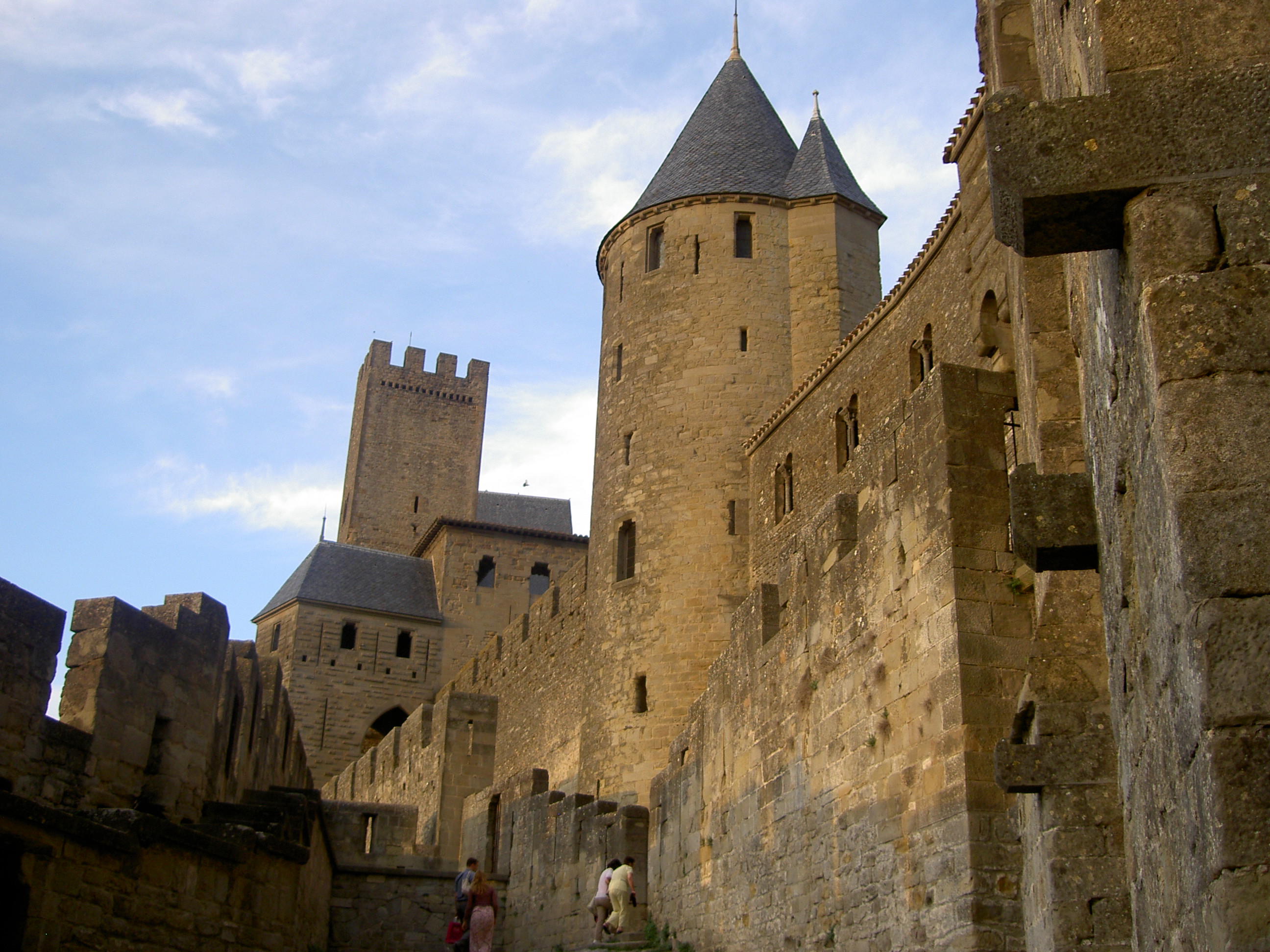
However, we plodded along, and fortunately the bar at which we had had our drink was almost exactly halfway back to the hotel, so we decided to stop there for a rest, and for some much needed food. Only 40K away from Carcassonne, is the equally old city of Castelnaudary, the legendary birthplace of cassoulet. So, I thought, Carcassonne would be as good a place as anywhere to have that wonderful bean and meat dish!. So I did, and it was magnificent! Ann had blanquet de veau, which she reckoned was as good as she had had anywhere. Given the excellent food, and the fact that it was a beautiful evening and the tables in the little street were packed with both locals and tourists, the day ended on a wonderful note!
The old fortified city, like the newer part of Carcassonne was largely restored during the 19th century. However, its history goes way back to Roman days. In the 9th century, it was under the control of the Saracens. Charlemagne laid siege to the city, but the siege went on for so long that both sides were running out of food. Legend has it that Madame Carcas had an idea to demoralise Charlemagne’s troops. Having very little food themselves, she got a piglet, fed it what corn could be found, and threw it over the city walls. When it hit the ground, it burst open, revealing its last meal of corn. Thinking that the Saracens had so much food to spare that they could even feed their pigs well, Charlemagne decided it was time to leave! Madame Carcas sounded the trumpets with a victory call, and hence the name “Carcas-sonnee”!
The legendary origins of cassoulet are similar. In that siege, the Castelnaudrians were running out of food, and had only a few bags of dried beans, a few bits of pork, a couple of geese, and a few sausages. With nothing else to eat, they cooked it all up together and ate their last meal. Thinking they now had nothing more to lose, they threw open the fortified doors to the city and rushed headlong into the enemy Full of pork and beans, they blew the enemy away, and the city was saved!
After my cassoulet, we simply walked back to the hotel spent a very pleasant night in out 3-star room, and left the next morning.
The morning dawned wet and very cold—about 10 degrees!. But we left the town without getting lost, as there was a huge green signpost for Toulouse right outside the hotel car-park gate. We drove north, on péage, on autoroute, and on green roads (incidentally, if you are wondering about the colour of French roads, maybe I should point out that the colours are those on the map—which happily coincide with the colours of the road signs, at least, for green and blue), until we reached the Loire valley. At the town of Loudun, of which we had never heard, we stopped for the night. In fact, having only about four hours driving before us to get to Cherbourg, we decided to stop two nights, and explore the area a bit. The hotel, The Roue D’Or, was our typical shabby two-star affair.
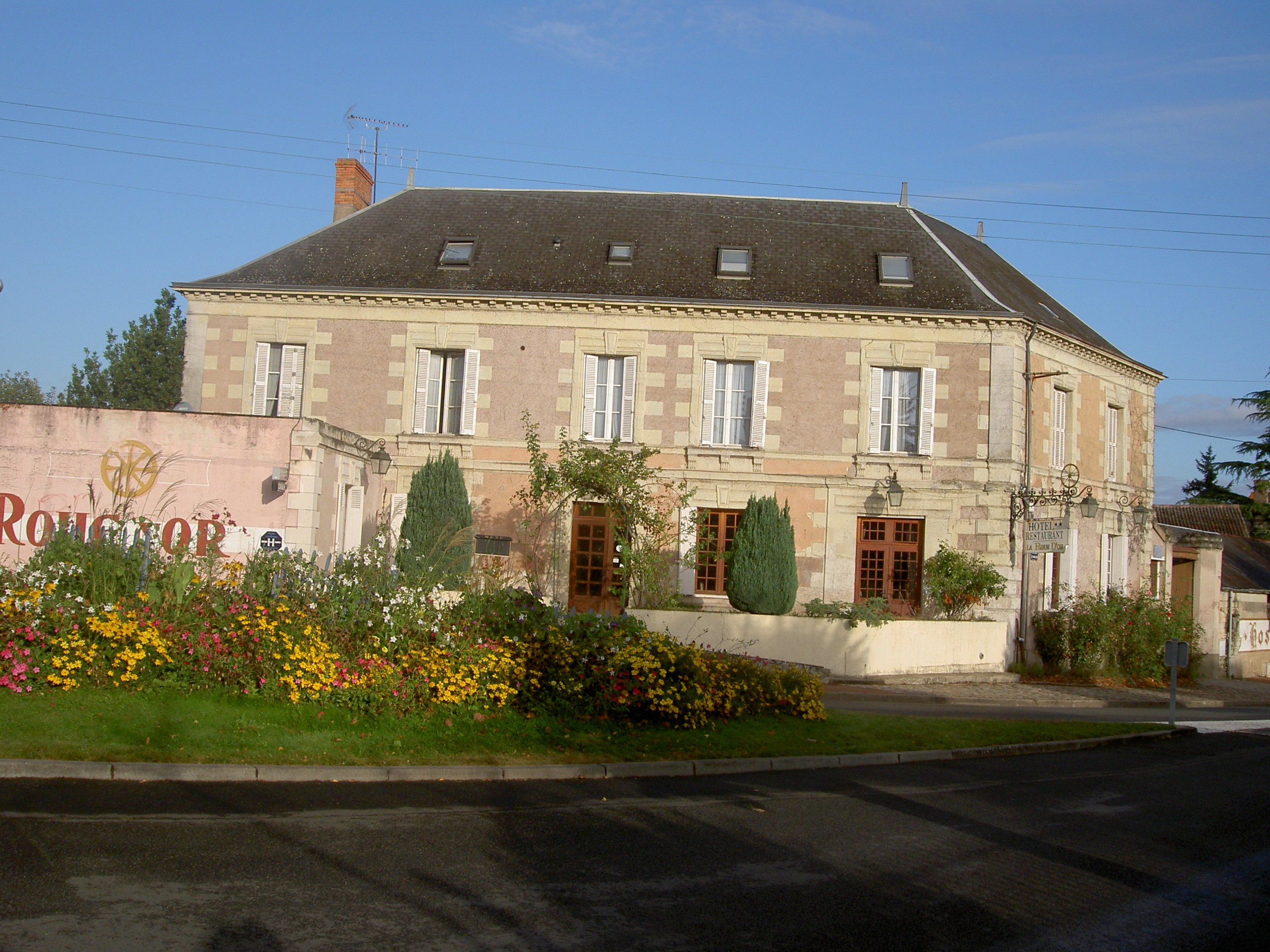
Perhaps I should mention here that we use the word ‘shabby’ as a term of endearment. To qualify, the hotel must be clean and reasonably comfortable, but is allowed to be tired and run-down, so long as it shows vestiges of its former glory. And this one was certainly tired and run-down! We were checked in by a pleasant young lady, who was apparently the daughter of the owner. When we asked for a nice place for dinner, she indicated a restaurant about 200m away on the other side of the road. After settling in, we headed to the restaurant, and were met by the same young lady! The restaurant was a pizza place, and like the hotel, a little tired! The building, dating from the early 19th century, had previously been an olive crushing mill, and much of the machinery was still there in the bar. But it was all very interesting and the pizzas were not bad.
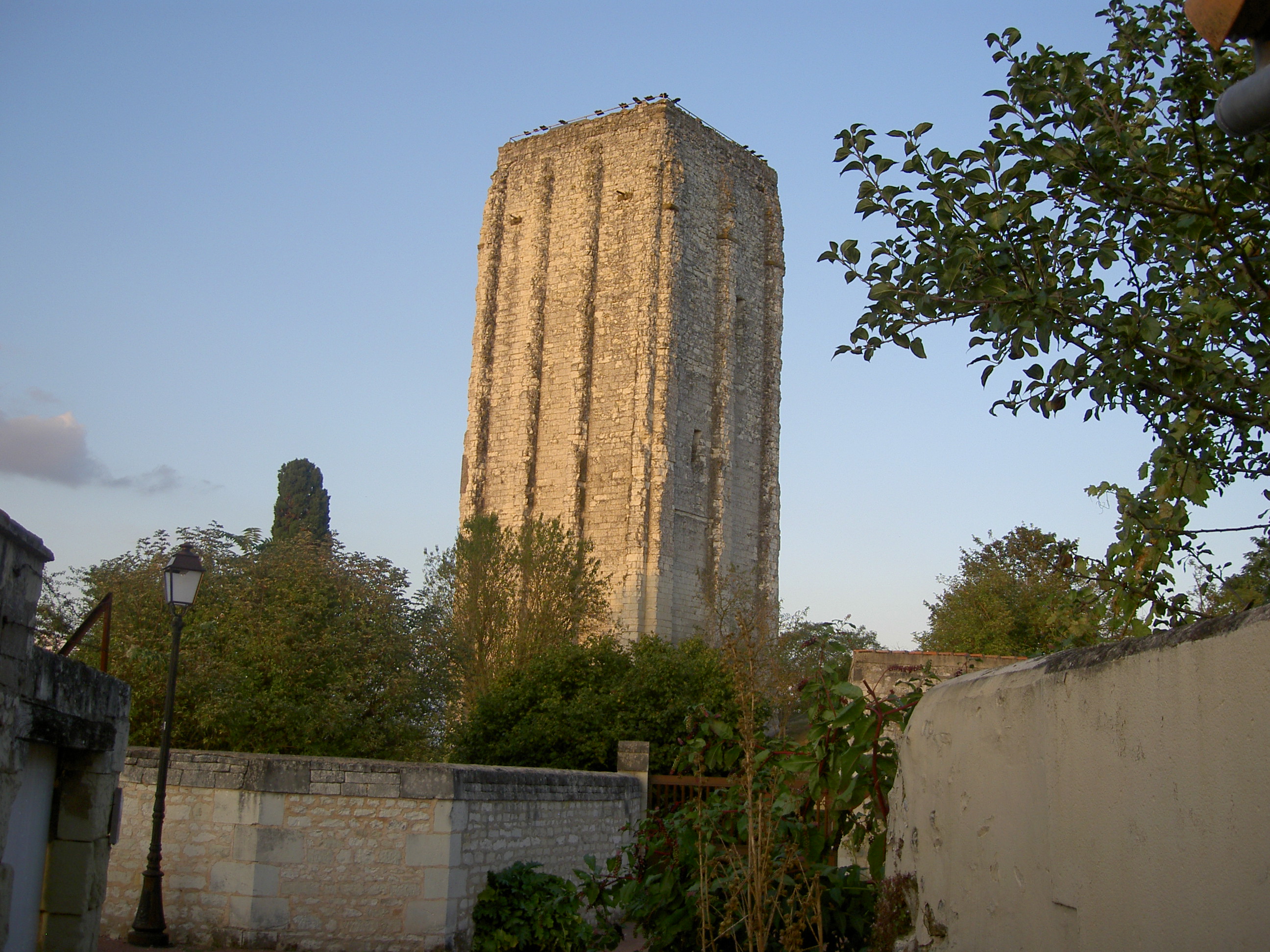
The town of Loudun had had a violent history. Originally established in the 9th century, it was fortified in the 10th. However, the only thing remaining from that time is a tall, square tower.
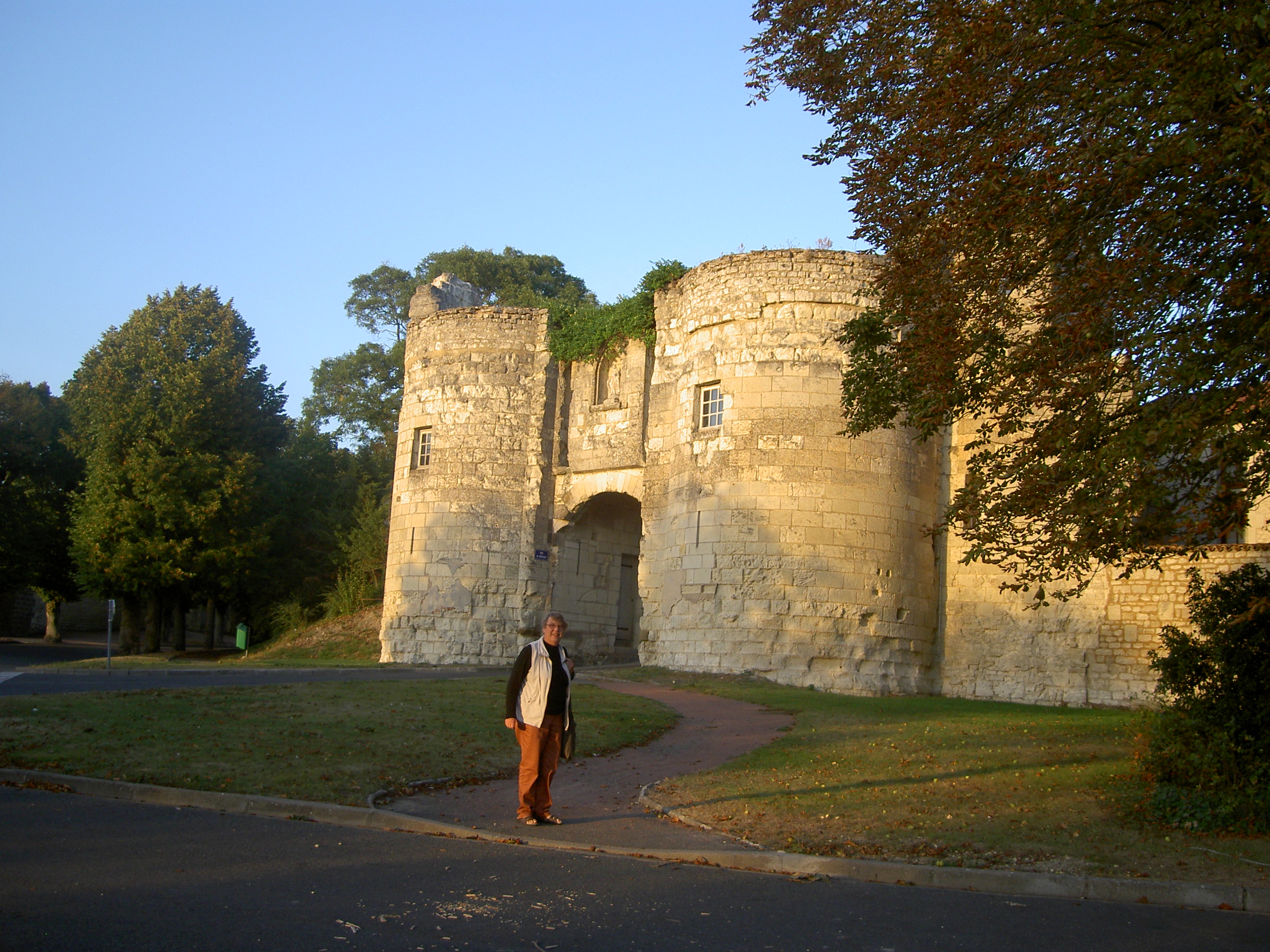
It was then rebuilt up to the 13th century, and was completely enclosed with a wall. But that did it little good, as the only part remaining from that time is one gate.
It was rebuilt, but suffered badly in the French revolution, and was finally rebuilt in the 19th century. In this rebuilding, they decided to keep to the early mediaeval street plan, resulting in quite a quaint town, but with hopelessly inadequate streets for today’s traffic. In fact, whilst we were having dinner the second night, at a restaurant right in the centre of the town, a huge semitrailer got itself very nicely jammed trying to get round a corner, and was still there as we left. For all we know, it might still be stuck there.
Loudun’s other claim to fame is that it was the birthplace, in 1586, of Théophraste Renaudot, the ‘father’ of journalism.
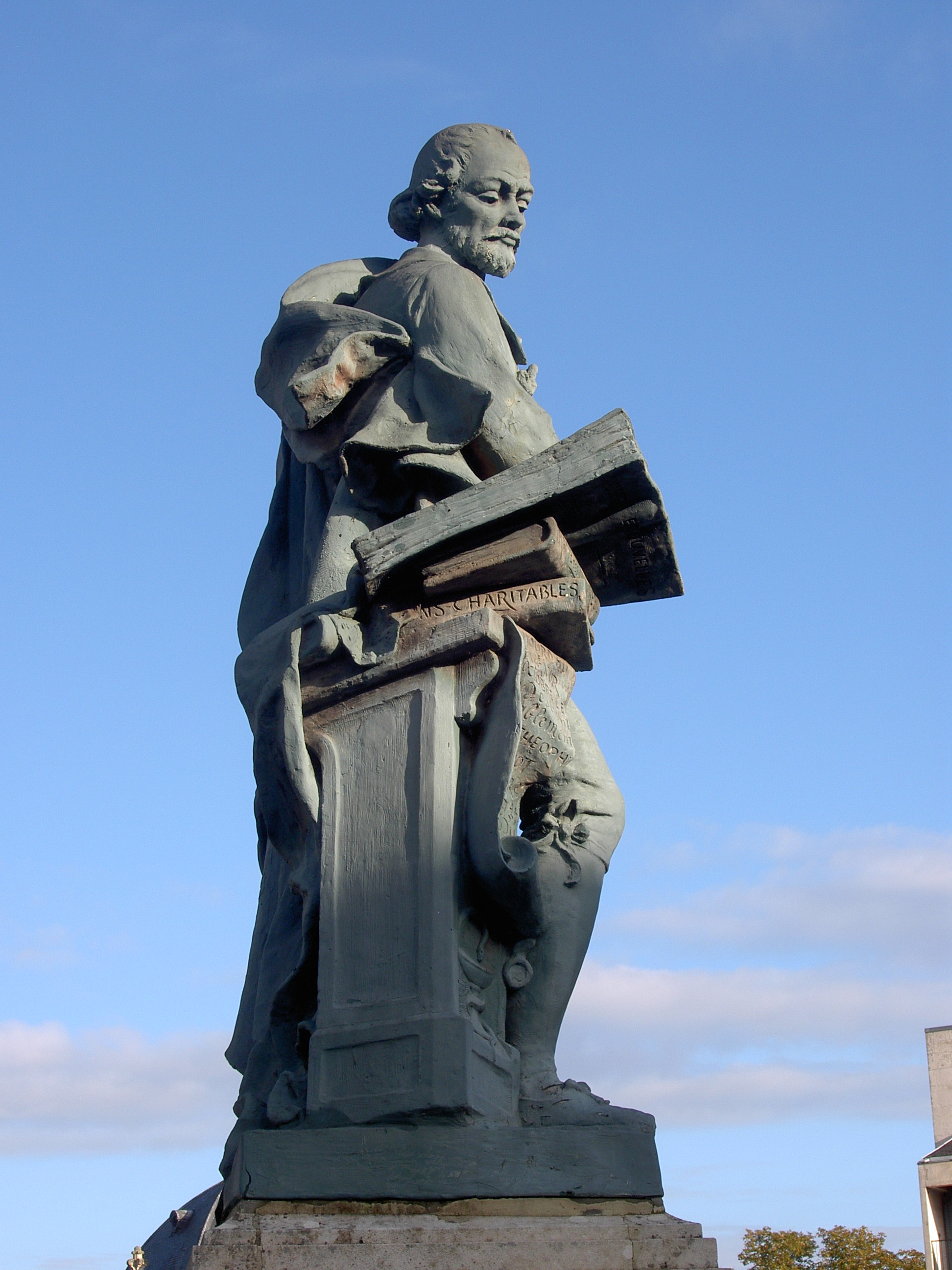
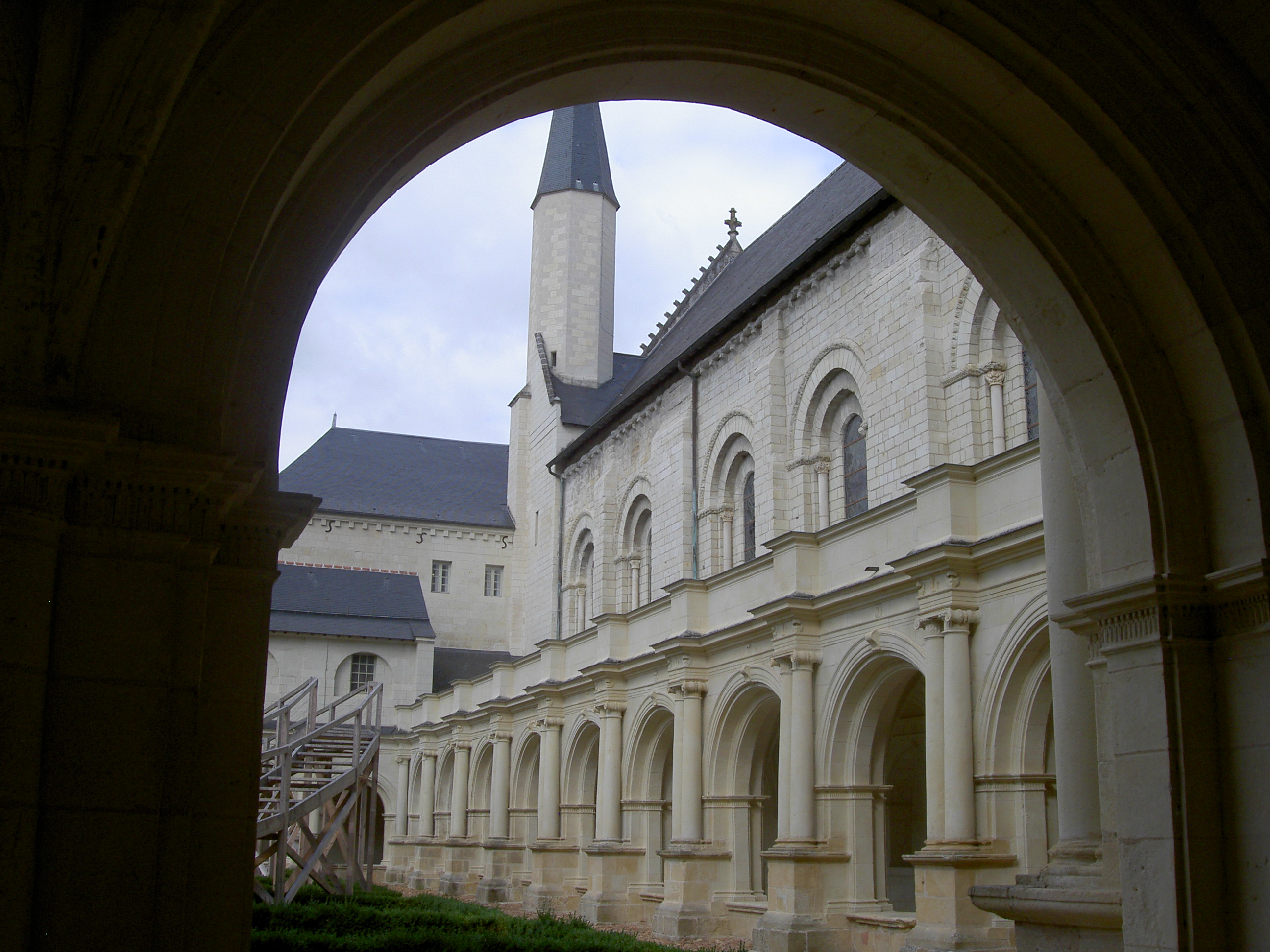
From Loudun we went about 25 k along a very straight road to Fontrevaud. Here there is a 13th century “abbey”, well worth visiting.
4615
It was founded by a chap who insisted that it would be completely controlled and managed by women, but it was open to all comers—rich or poor, so long as they were prepared to spend their time growing food, and living in poverty, silent contemplation and prayer.
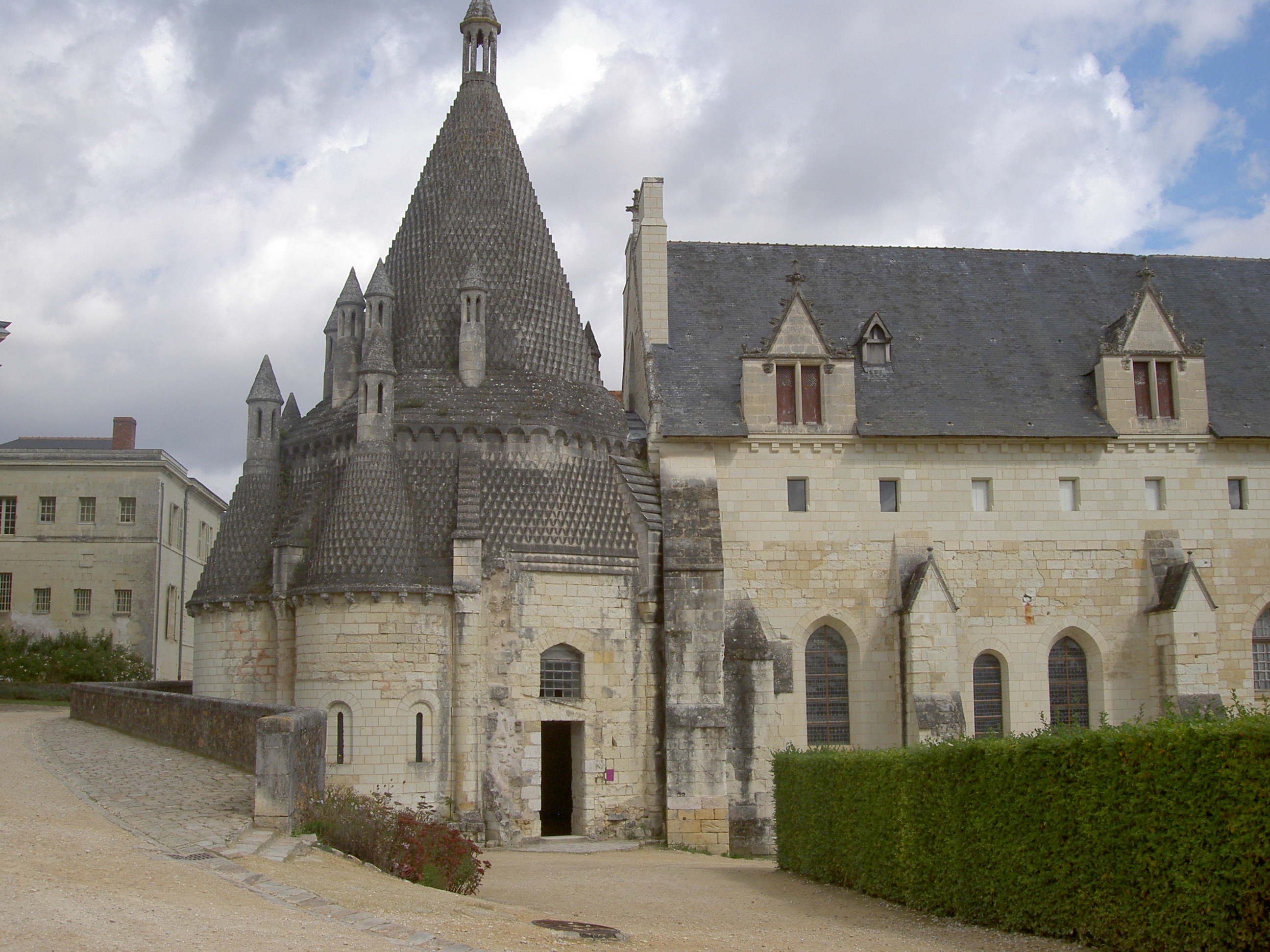
Apparently it worked very well for centuries, and became a very wealthy order. Quite how they reconciled their wealth with their vows of poverty is not clear! It received royal patronage, and Henry 1V, Richard the Lionheart, Eleanor of Aquitaine and someone else (who I have forgotten the name of) are all buried there. But like all good things, times change and eventually, after the Revolution, it was turned into a high-security prison, and remained with that role until the mid-20th century. During this time, some restoration work began, and today it is in magnificent condition. No longer a prison, it is a major tourist attraction, with restaurants, gardens, and of course the buildings. But it is by no means ‘touristy’, in the same way as, for example, Carcassonne. In fact, despite the number of people there, it had an air of tranquillity, much as it would have had before the Revolution. A couple of things did detract from it, and they were both “installation art works”. One, a massive thing like a wooden scenic railway, better suited to Lunar Park, occupied the cloisters, and a bizarre “sound and light” art-work occupied the main refectory. Both places would have been much better un-occupied!.
Fontrevaud is about 5 k from the tiny town of Montsaureau, on the confluence of the Loire and Vienne rivers.
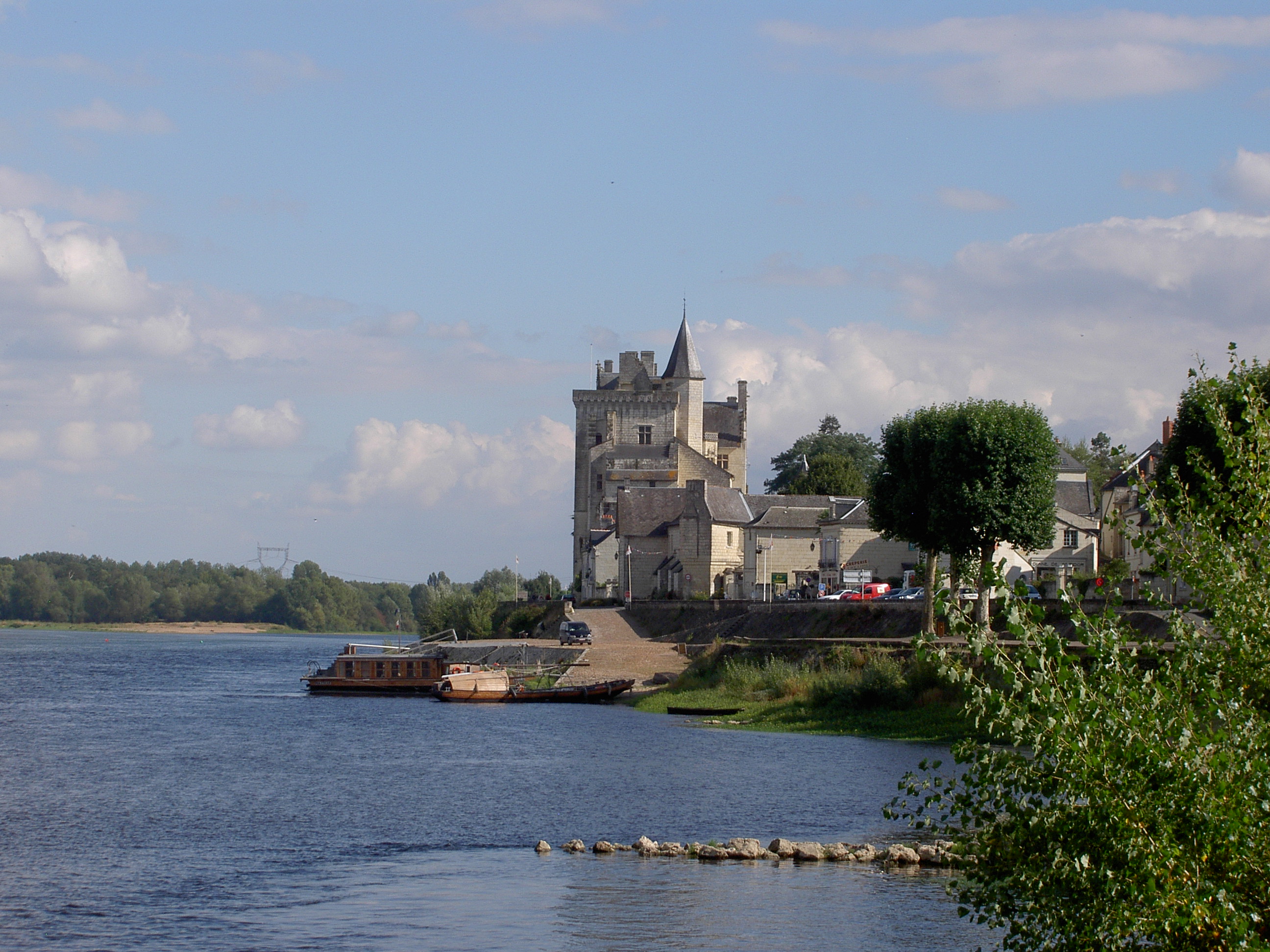
A very pretty place, with a modest chateau (open to the public, but we declined), at which we had our picnic lunch before returning to Loudun for our second night.
Friday morning, and we were on our final driving part of the trip. We drove through more of the Loire valley, passing, at Saumur, the winery of Veuve Amiot—makers of the fizzy white wine we drink a lot of in Melbourne. Then, pretty well non-stop to Cherbourg. We had already booked a room at the Hotel Beausejour, (at which we had stayed on our very first night in France following the cross-channel trip from Portsmouth) and we found it again without getting lost!
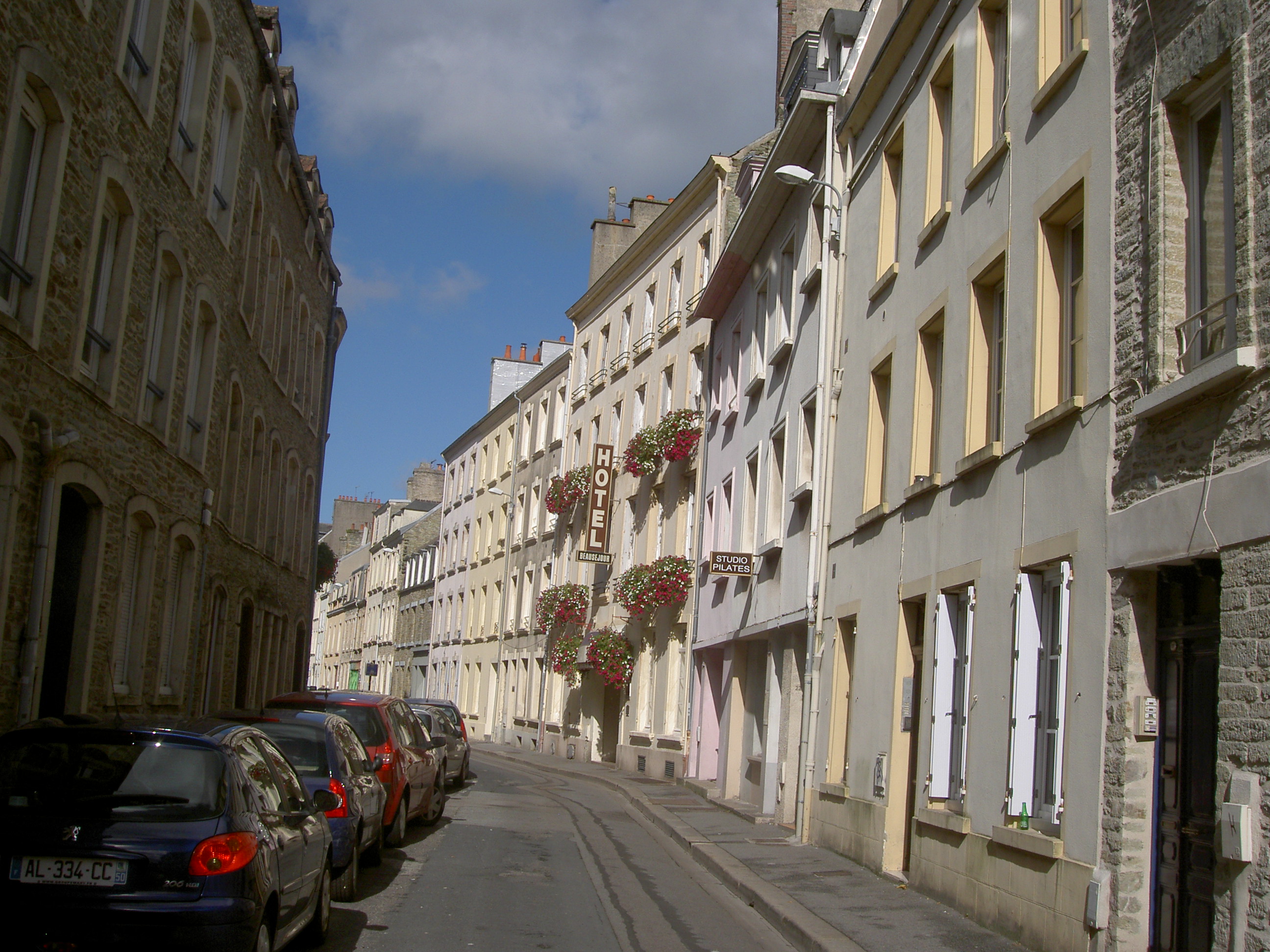
Dinner at a nearby restaurant, a good night’s sleep, and on Saturday, morning, leaving our gear at the hotel, we returned the car to FranceCar hire company. We had completed just over 4,400k.
We had a couple of hours before the train to Paris, so a stroll around the street market, a drink, and back to the hotel to collect our gear for the short taxi ride to the station.
 Slingsby's Miscellany