Day 7 of our visit to England, and I cannot believe that I have not yet set foot in an English pub, or had a pint of English beer. That is not to say that I haven’t had a drink or two, but so far drinking has comprised exclusively red wine and single malt whisky. But that is soon to be remedied. We decided to leave the Westbrook Lodge Bed and Breakfast on Friday April 22, a day earlier than originally planned, and headed toward Herne Bay to spend some time with my sister Brenda, and her husband Eddie. We had collected our hire car on Thursday, and after a last breakfast at the B & B loaded the car and headed off through Westgate, stopping briefly in St Jean’s Road where we lived prior to emigrating to Australia.
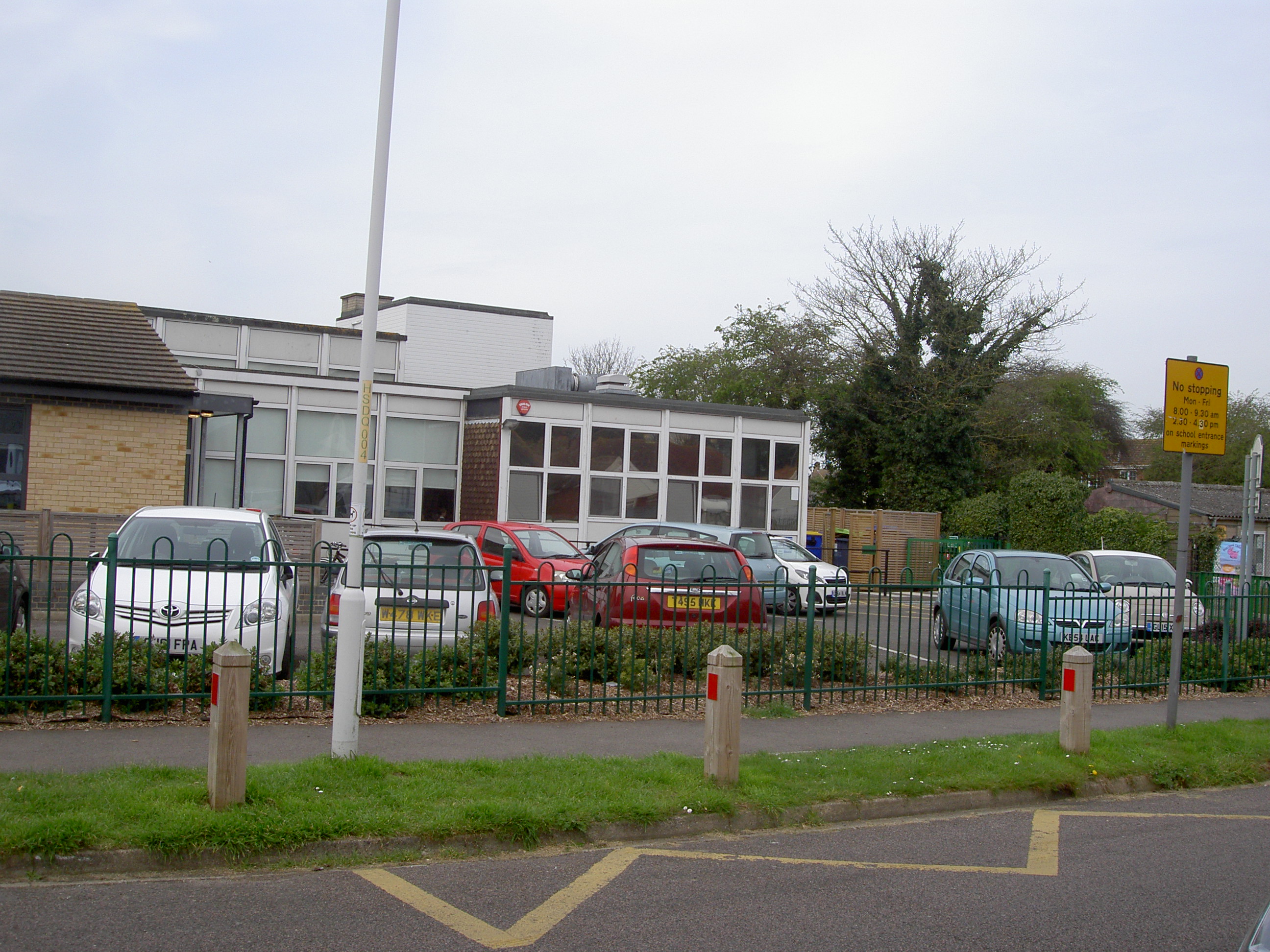
We also took the opportunity of taking a photograph of the primary school in St Bennet’s Road where daughter Helen spent her first few weeks of schooling.
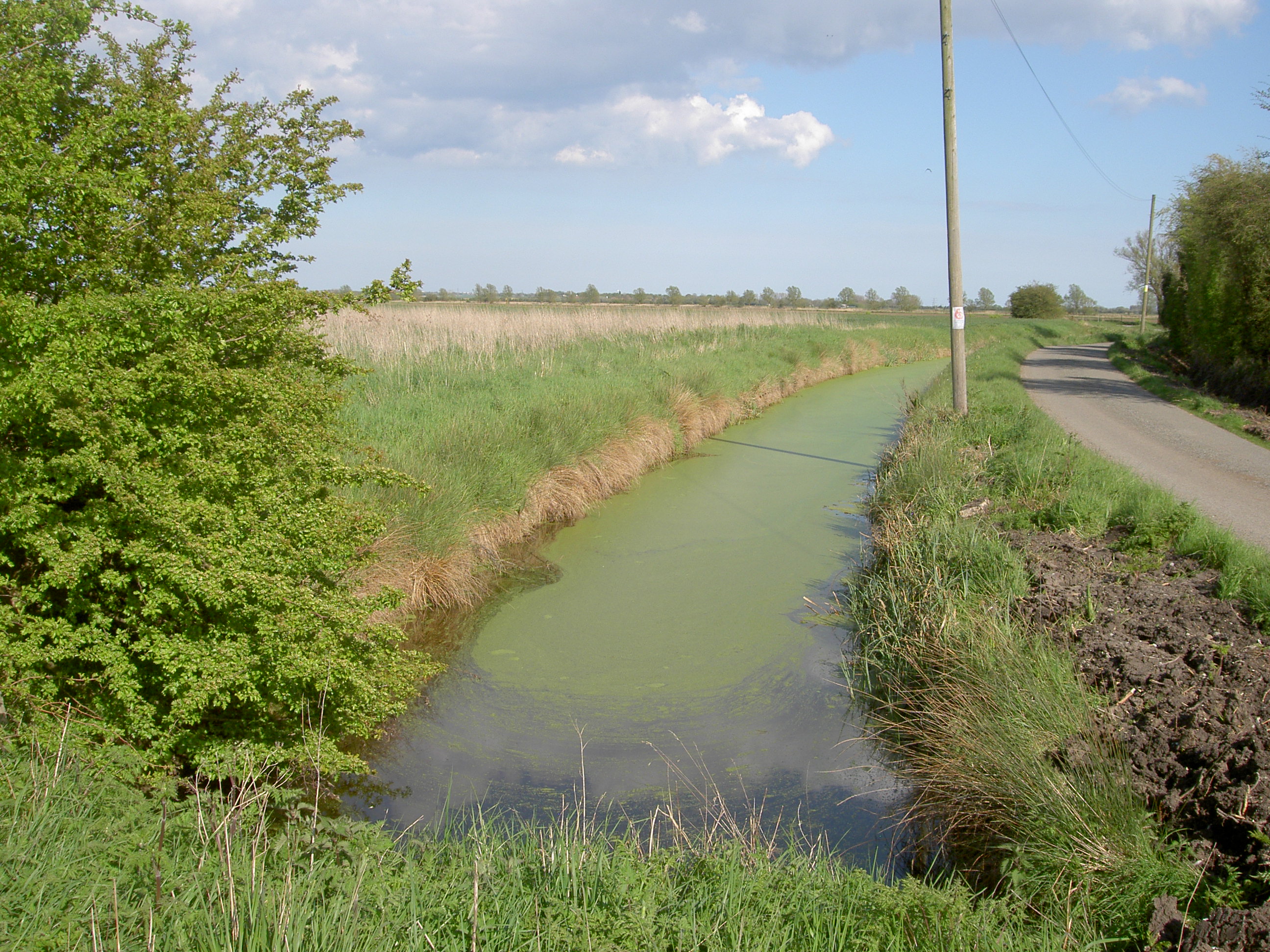
We then continued toward Herne Bay, but decided to drive through the East Kent Marshes on the way, rather than stay on the main Thanet Way. Now these marshes are all that remain after the silting up of the once navigable Wantsum Channel, a channel about three kilometres wide, separating the Isle of Thanet from the mainland. 1,500 years ago the River Stour emptied into the Wantsum Channel, and the stones used in the building of Canterbury Cathedral were brought by boat from Caen in France, and up the Stour to the port of Fordwich. From there they were taken the last 10K to Canterbury by horse and cart. A century or so later, the channel began to silt up, and today the Stour empties into the English Channel at Richborough, which in Roman days, was the southern end of the Wantsum.
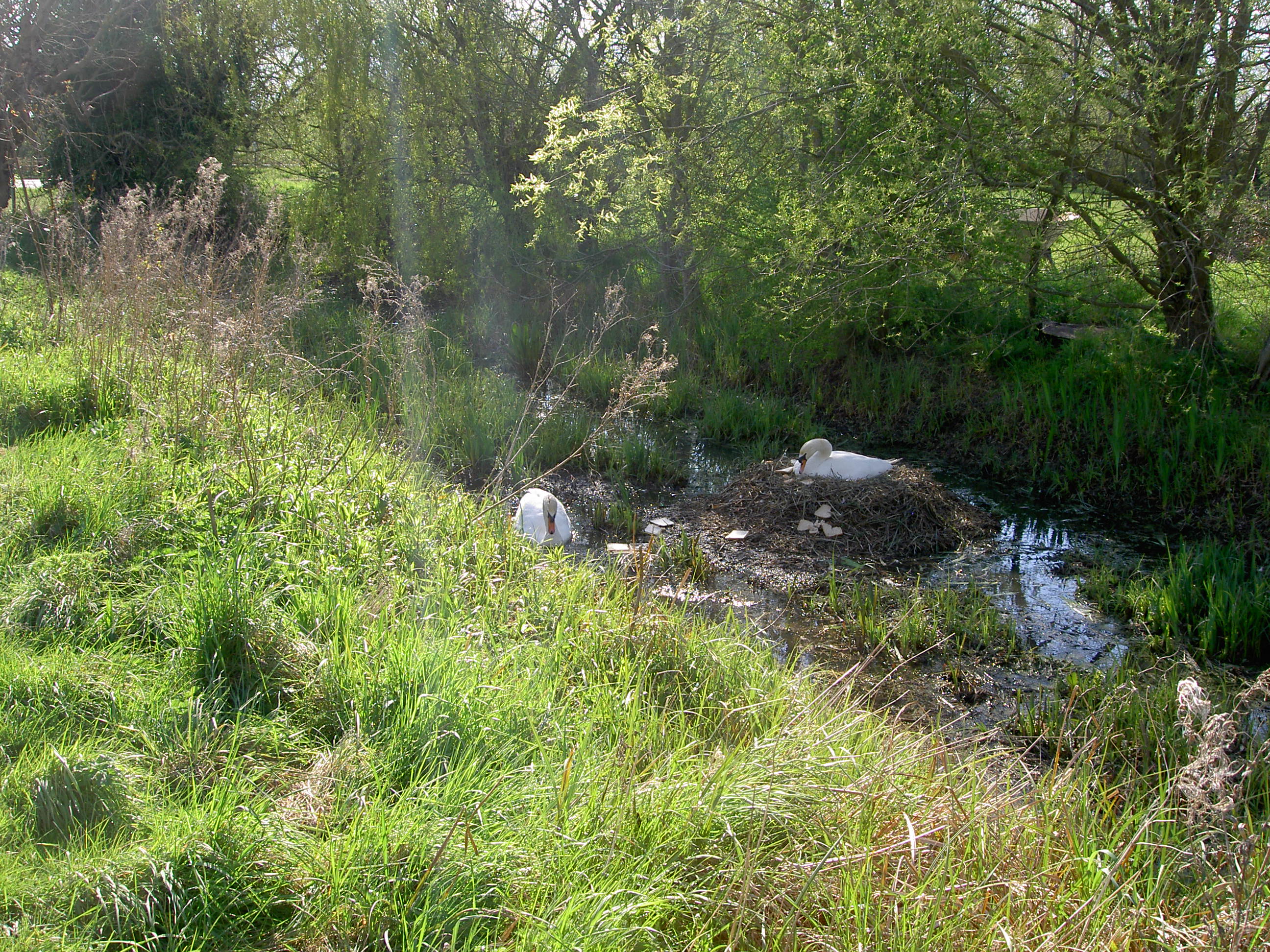
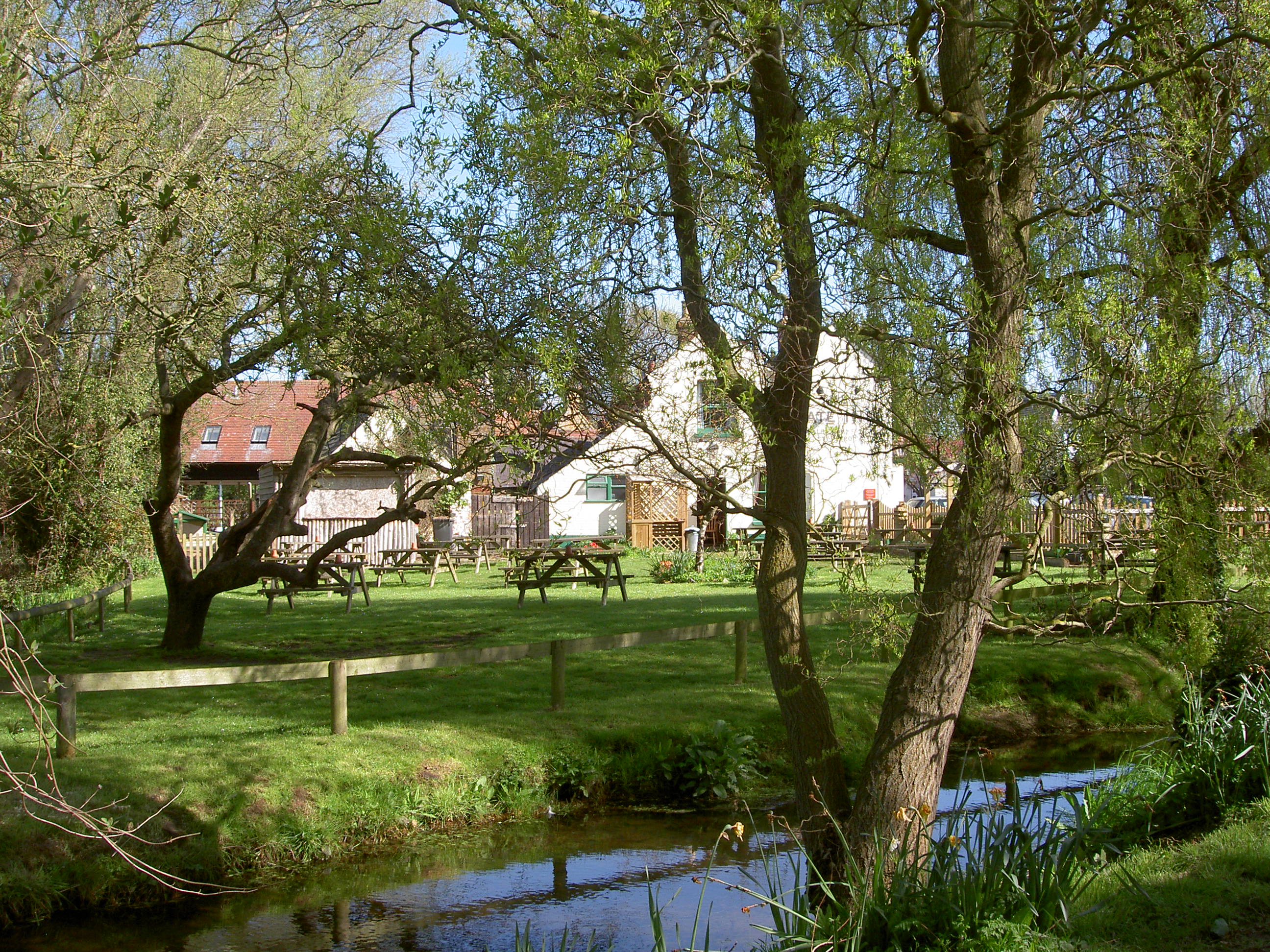
The remains of the Wantsum, now only a metre or so wide, is one of many small marsh channels emptying into the Thames Estuary near Reculver (between Herne Bay and Birchington) at the northern end of the original channel. There are still significant ruins of Roman forts at both Reculver and Richborough. The great majority of people travelling along the Thanet Way between Herne Bay and Birchington are completely oblivious to the existence of the tiny Wantsum River, which to this day means that Thanet is indeed still an island! As a child I used to go fishing in the channels of the East Kent marshes, so this short detour through Marshside was something of a ‘sentimental journey’ for me. Just as one reaches what was originally the mainland coast of the old channel, there is the tiny village of Boyden Gate, with its pub, simply called The Gate.
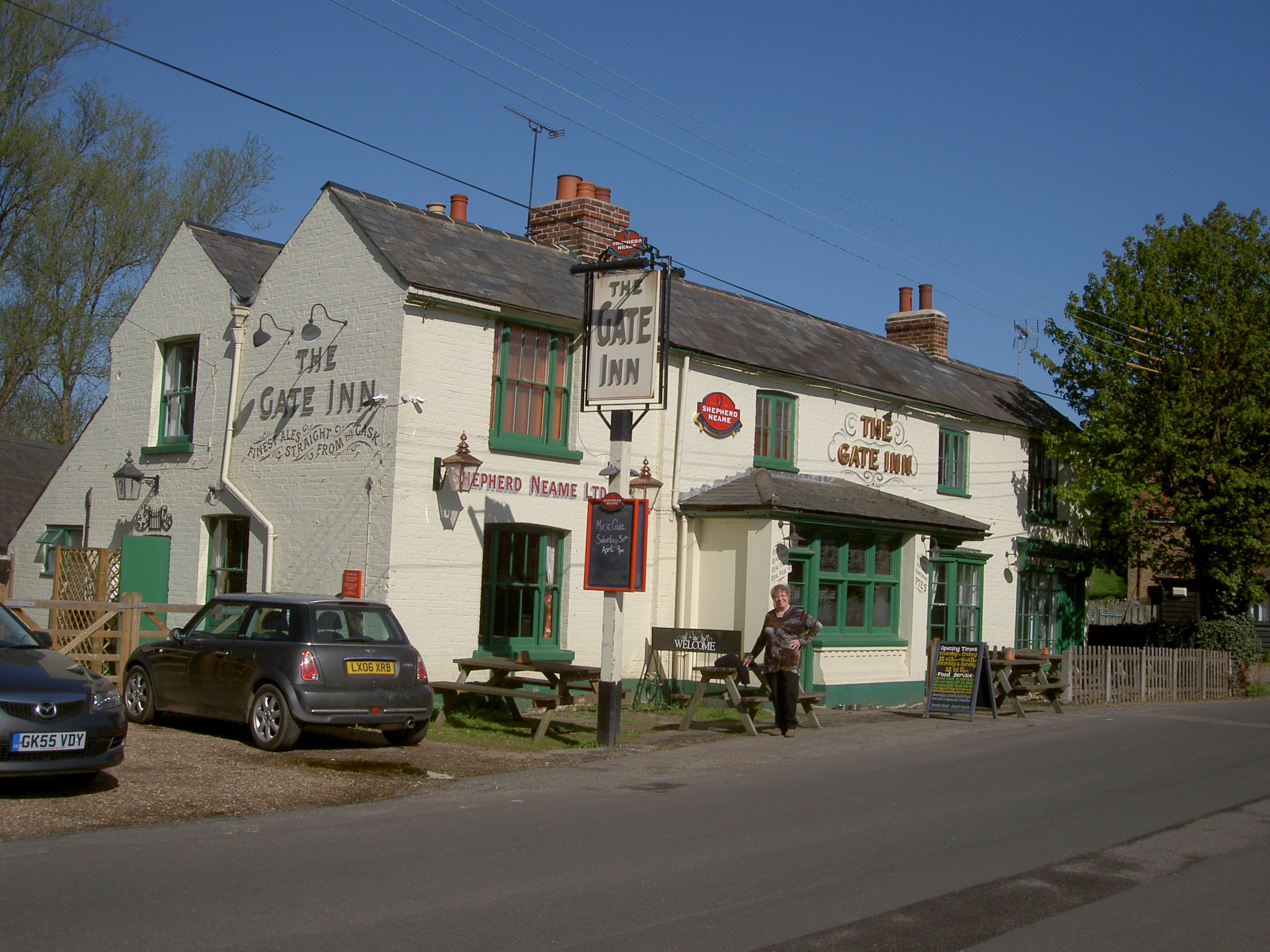
Thus far not having set foot in a pub, I took very little persuading to stop and venture inside, and very soon was enjoying a pint of Shepherd Neame Master Brew bitter, whilst waiting for a lunch of scampi for Ann, and bangers and mash for me, to be brought to the table. So at last the drought was broken.
There were a number of patrons in for lunch, and The Gate is by no means a large pub. Consequently we were all sitting close together, and it was impossible not to overhear the various conversations. At the table to my left there was a trio comprising a married couple and a single lady. I use the word ‘single’ purely to signify that there was only one lady, rather than that she was unmarried, as for all I know, she might well have a husband somewhere. Both the married couple and the single lady had with them their pet dogs, which fortunately seemed to ignore everything and everyone in the room. The conversation between the members of the trio was pretty unremarkable until the single lady asked the married couple how they would be voting in the up-coming referendum which would determine whether the UK would leave, or remain in, the EU. The couple replied that they would both vote in favour of leaving the EU, whereupon the single lady became very loud and vocal in her support of Britain remaining very much in the EU. It was then on for young and old, both sides getting very het-up, and quite irrational in voicing their personal reasons for the stands they were taking. Phrases such as ‘uncontrolled floods of migrants’, ‘trade agreements’, ‘lost markets’, ‘lost jobs’, ‘mass unemployment’, ‘agricultural disasters’ and so forth were bellowed forth with great vehemence from both sides. Faces were getting redder by the minute, and whilst I was dying to put in my two bobs worth, I forbore doing so, knowing that Ann would probably give me a pretty vicious kick under the table if I so much as even looked like opening my mouth. Their argument then shifted slightly to medical education, and how ridiculous it was that England was training doctors in the National Health Service at great expense, and as soon as they were qualified, they went overseas to places such as Australia. Surprisingly, I still forbore entering the discussion, displaying amazing strength of character not to weaken and open my mouth. So I meekly went to the bar and ordered another pint of Master Brew.
Whilst the EU discussion was in full swing on my left, the group on my right, comprising three young women and one young man, were having a discussion about childbirth, waters breaking, forceps delivery, and so on. The young man seemed rather out of his depth, and sat there very meekly and somewhat embarrassed, whilst the young women continued their chat, comparing their personal experiences of childbirth, and putting away a couple of bottles of fizzy drink, which may or may not have been alcoholic.
For our part, the most interesting conversation that engaged us revolved around bell ringing, as I mentioned to mine host that my late father and my even later maternal grandfather had, on occasions, rung the bells in the church in the nearby village of Chislet, as visitors from St Martins at Herne, and St Nicholas at Sturry respectively. Mine host claimed that his daughter had all the records of visiting campanologists, and he would see what he could find out about my two ancestors.
Quite clearly we shall shortly have to make a return visit to The Gate, to see whether anything has been discovered. And of course, whilst there, to indulge in another pint or two of Master Brew before the drought sets in again.
 Slingsby's Miscellany