At the end of our few days in Scotland, it was time to travel south back to Kent. So on the last day we booked a couple of bed and breakfast overnight stops on-line, making our choices based partly on price, and partly on the photographs shown on the websites. Both places we chose were excellent, but because our geography and knowledge of Scotland and northern England was a little less than ideal, one was basically only just on the outskirts of Edinburgh, and the other was only just over the border into England, which left a much greater distance for the final drive than we had anticipated. But we enjoyed both places, and would certainly recommend them to anyone travelling to that part of the UK.
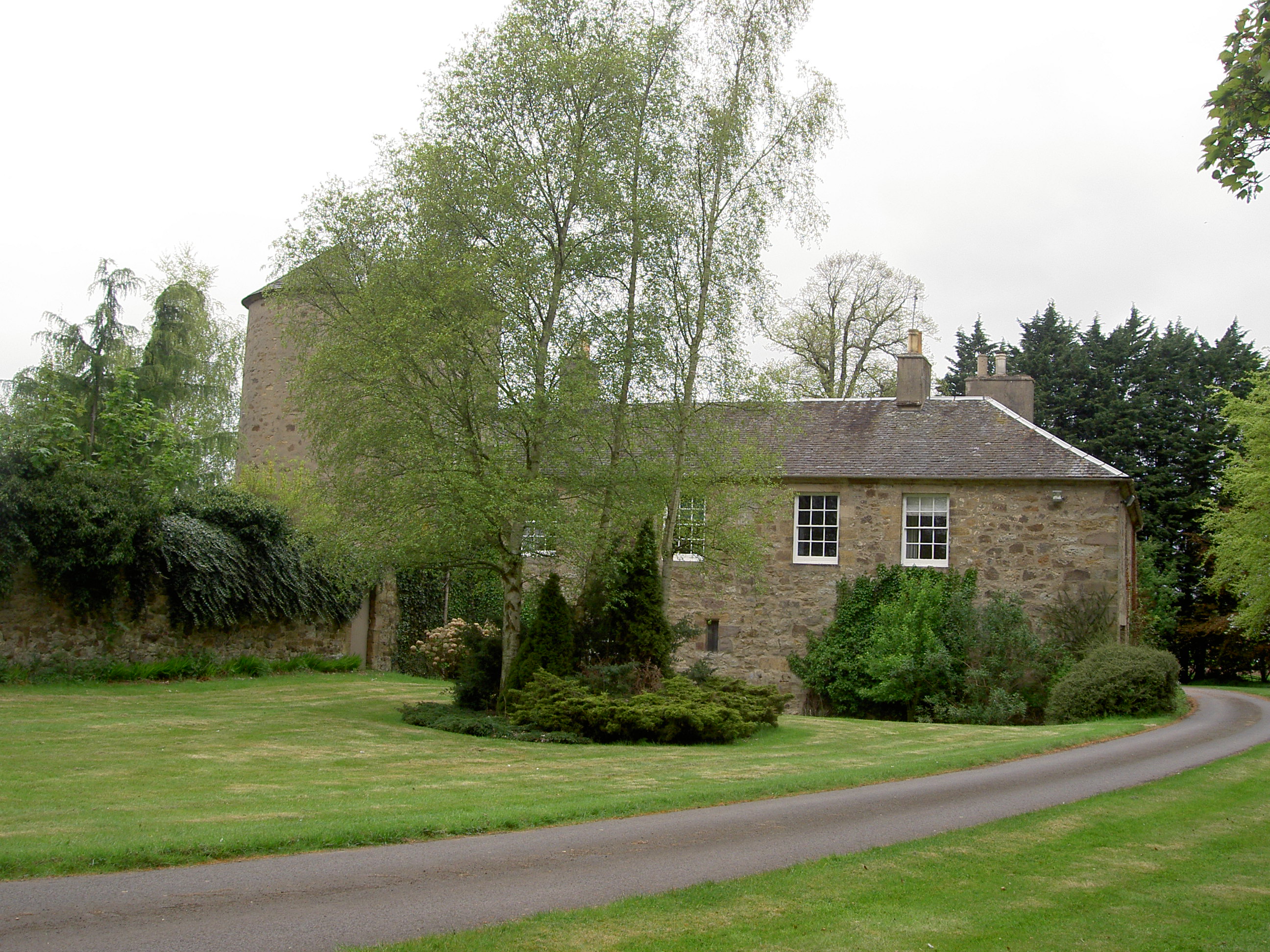
The first was at Dalkeith, just a few kilometres south of Edinburgh. We had no difficulty finding it, having safely navigated our way through the incredible road works either side of the Firth of Forth, as part of the new bridge crossing. The B and B, known as Smeaton House, was originally a 15th century courtyard castle which had been largely destroyed by fire in the 17th century, and subsequently rebuilt as a very nice, turreted country residence. One of the original towers has been incorporated into the restored building, whilst another, still ruined, forms part of the courtyard wall.
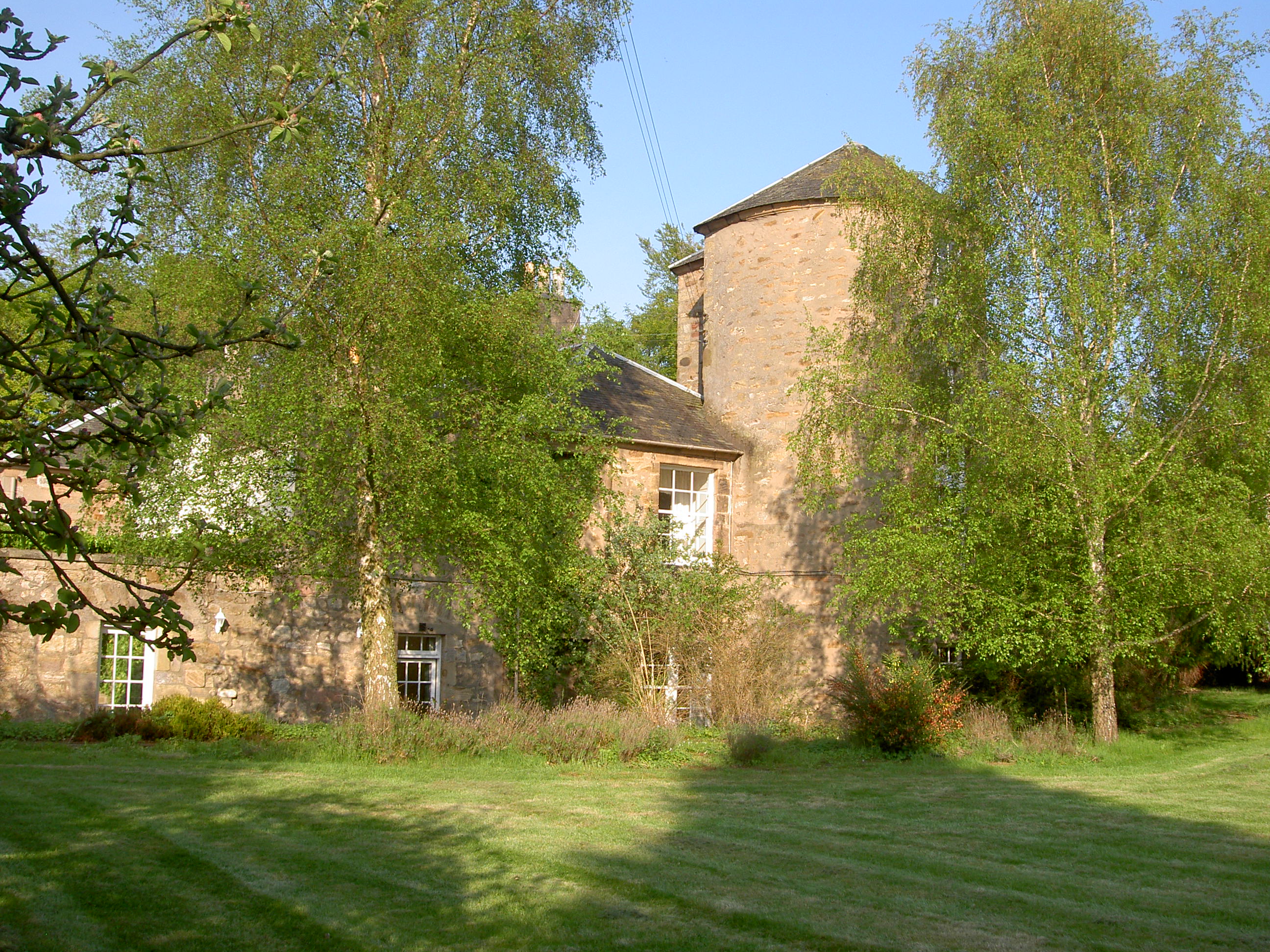
There are traces of the old moat, and two of the vaulted cellars are now used, one as the dining room and another as a sitting room. All the common rooms have an open log fire, whilst the bedrooms are centrally heated by radiators. It is a very lived-in and cosy, relaxing guest house, and is on an estate owned by the Duke of Somewhere, who is, apparently, one of the largest land holders in Scotland. The grounds are delightful, with pheasant (definitely) and deer (reportedly) roaming freely. It is currently leased to our host John, who runs it almost singlehandedly as a B and B.
John is an interesting character. He bought a mobile fish and chip van when he left school, before he was old enough to drive, and engaged an aged pensioner to drive it for him. It was clearly a very lucrative business, and he subsequently bought a fish and chip shop, and now also owns several properties in Edinburgh which he rents out. He has only recently entered the B and B business, and all the indications are that he will make a success of that too. He appears to be doing all the work himself, although he did call on his mother in Edinburgh to prepare the plate of fresh fruit for our breakfast. The fruit platter was followed by a full Monty breakfast, prepared to perfection. When it was time to leave and to pay the bill, we discovered that John was only able to accept cash; the reason being, he explained, was that he wanted to see how the business went before committing himself to a four-year contract for eftpos facilities. This meant that we had to pop back to Dalkeith and find an ATM to get the necessary amount of cash. We had deliberately run down the cash in our purse, as in Scotland ATMs give you notes of Scottish currency, which are not very welcome in England. So having taken out just the minimum we needed to make up the £75 we thought we owed, we returned to the B and B, proffered the cash, to be told it was only £60. So we still had £15 of the unwelcome Scottish notes left!
Leaving Smeaton House, we travelled south on the A68 through the Boarder Country. This is a wild and beautiful area, which, over the centuries, has seen more than its fair share of battles and skirmishes between the Scots and the English The road skirts the ancient Abbey town of Jedburgh, and anyone visiting this area for the first time would be rewarded for spending a couple of days at least here. However, we did not have that time, so continued on our merry way south to Knitsley, in County Durham.
Knitsley is more of a rural area than a village, on the outskirts of Consett, of which we saw very little. But once, Consett was one of the most important steel towns in the UK. In the 1840s, Consett was a village with a population of 145, but with the vast local reserves of coal, iron ore and limestone, it had a rapid expansion as the industrial revolution kicked off, and by the 1960s, the steel works alone employed over 6000 workers. Many more were employed in mining, and the many service and peripheral industries around mining and steel manufacture. But it couldn’t last for ever, and it didn’t last for long. By the 1980s thousands of jobs were lost as the steel mills and coal mines were closed, and unemployment reached nearly 40%. Today, Consett is largely a dormitory town for people who work elsewhere, and the town still has one of the highest unemployment rates in the country.
But just outside Consett, in the Knitsley area, is the delightful Old Mill Restaurant and Bar, which also has bed and breakfast accommodation.
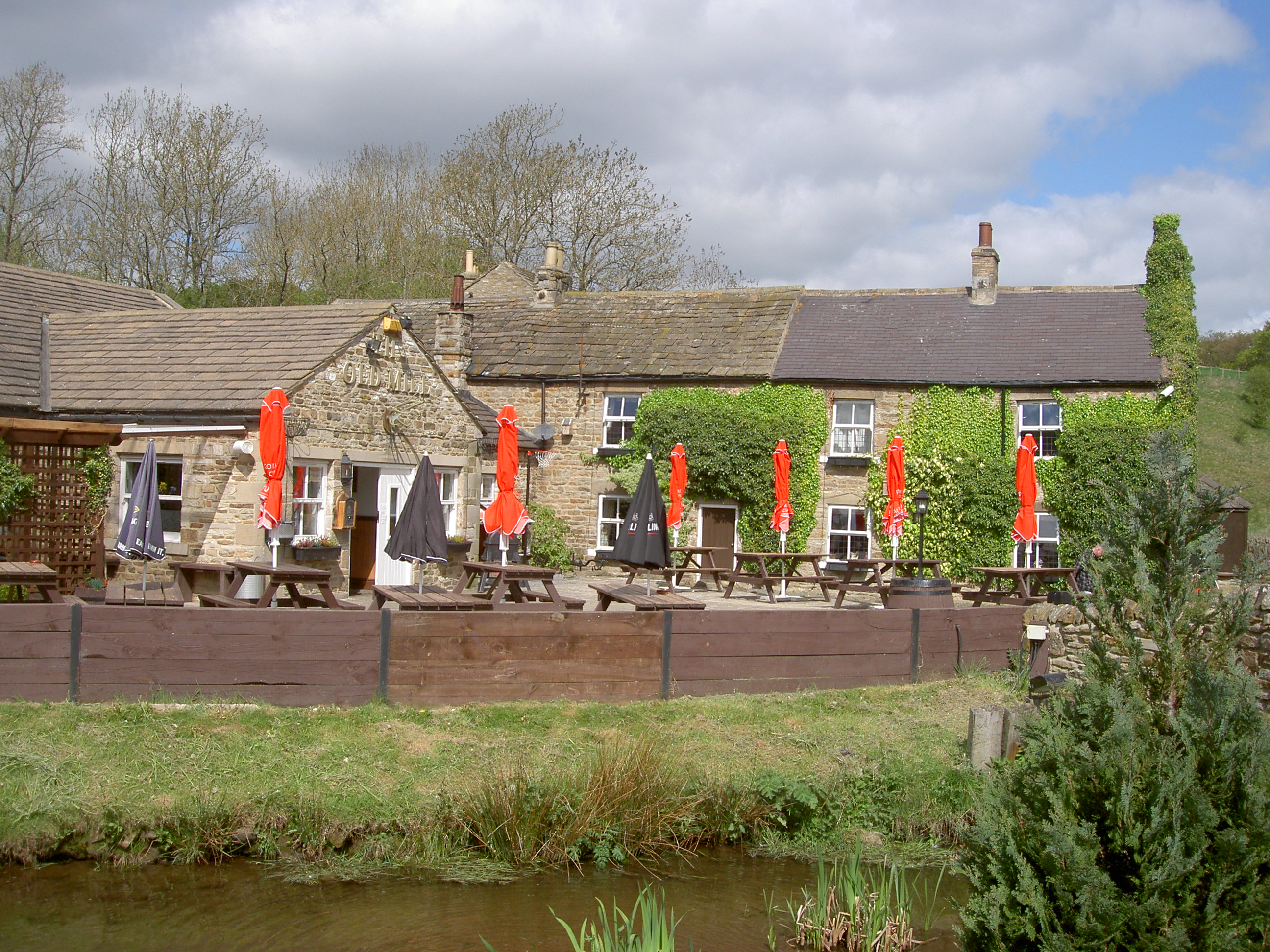
It is only a couple of miles or so from Consett, but it could be a million miles away in another world. At a cross-road of tiny country lanes, and with the old mill stream running in front, it is an idyllic setting. We did have a little difficulty finding the place, as I turned off the ‘major’ country lane (which wasn’t very wide) into a very ‘minor’ country lane one intersection too soon. The lane we took was little more than a farm track, and fortunately we didn’t meet any on-coming vehicles. But we did meet a small flock, perhaps six or seven, of very small lambs! It was amazing how they were too frightened to run back past us, but as they took flight along the lane in front, they suddenly stopped for a moment or two to eat the lush green grass on the roadside. But eventually we persuaded them to nip back past the car, and they scampered back up the hill to the field from which they had obviously escaped, but still frequently stopping to eat. Cleary the greener grass on the other side of the fence was sufficiently appetising to overcome their fear of being run down.
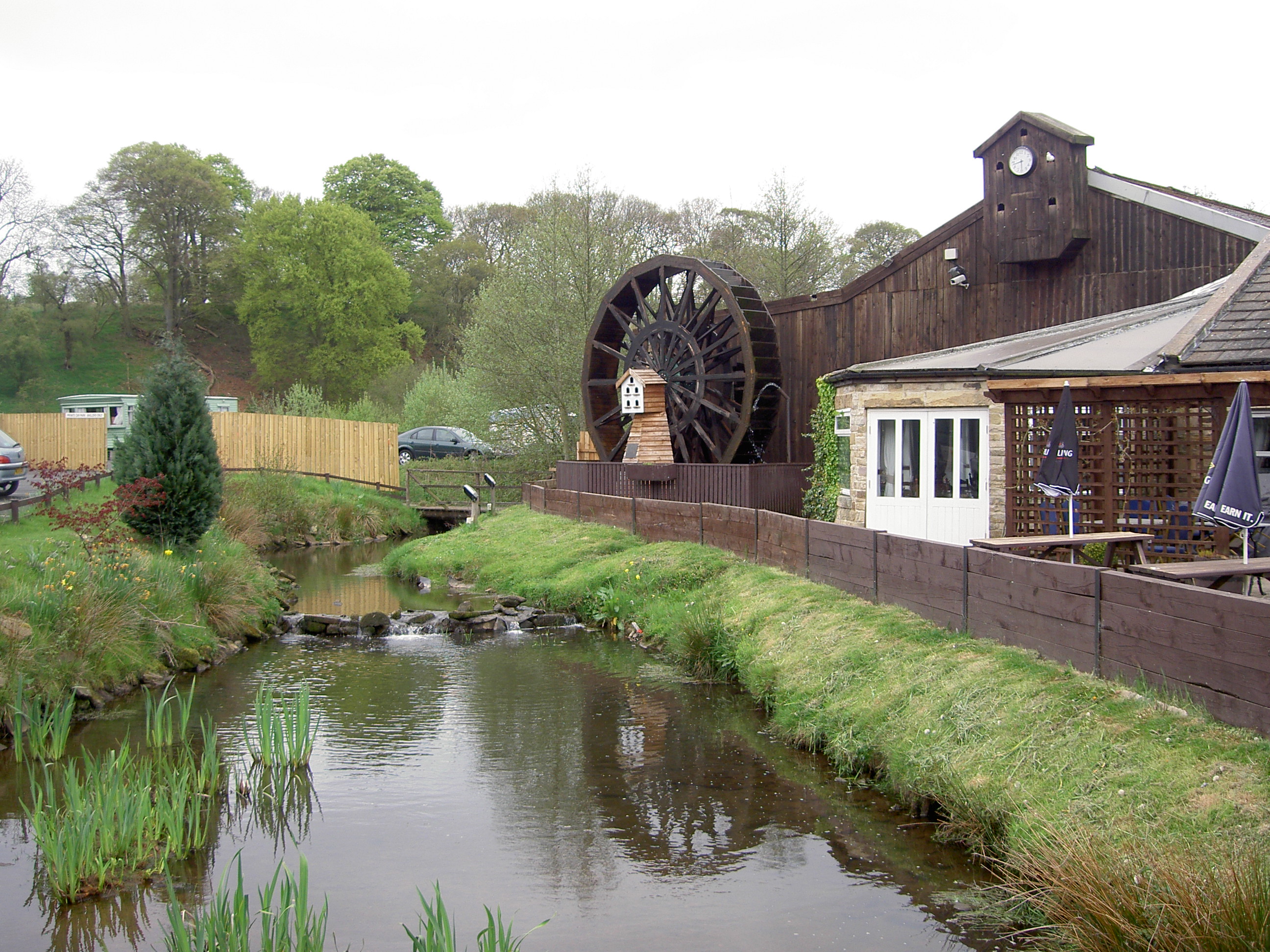
When we eventually arrived at the Old Mill we were made very welcome by the very friendly and efficient Pauline, who showed us to our room, and told us about the facilities available. The room, in a building separate from the main restaurant/bar was very old, with a beamed ceiling and stone walls. It was clean, cosy and warm, and the bed was very comfortable. The bar was also cosy and very warm, heated by a huge log fire. The other patrons in the bar were mostly residents of the surrounding area, and were all very friendly. The restaurant part was a little cooler, being further away from the log fire, but still very pleasant. And the food was first class. Unfortunately, (or perhaps fortunately), we had to stay longer in the bar after dinner to make use of the wifi, as the walls, like those at Smeaton House the night before, were very thick stone walls, through which the wifi could not penetrate. But the beer was excellent, and the fire was cosy, so it was not too much of a hardship!
We spent a very comfortable night, and at breakfast picked up a couple of tourist information brochures. One of these drew our attention to the Bowes Museum, of which we had never heard, but toward which we bent our steps after breakfast.
Bowes Museum is just outside the small Yorkshire town of Barnard Castle, about an hour’s drive from Knitsley. The drive itself was very pleasant, but when we reached the museum we were, to use a rather hackneyed phrase, ‘blown away’! It is a massive building very much resembling a French chateau, plopped there, right on the edge of the Yorkshire dales. We couldn’t believe our eyes as we looked across the very formal French style gardens to the building itself.
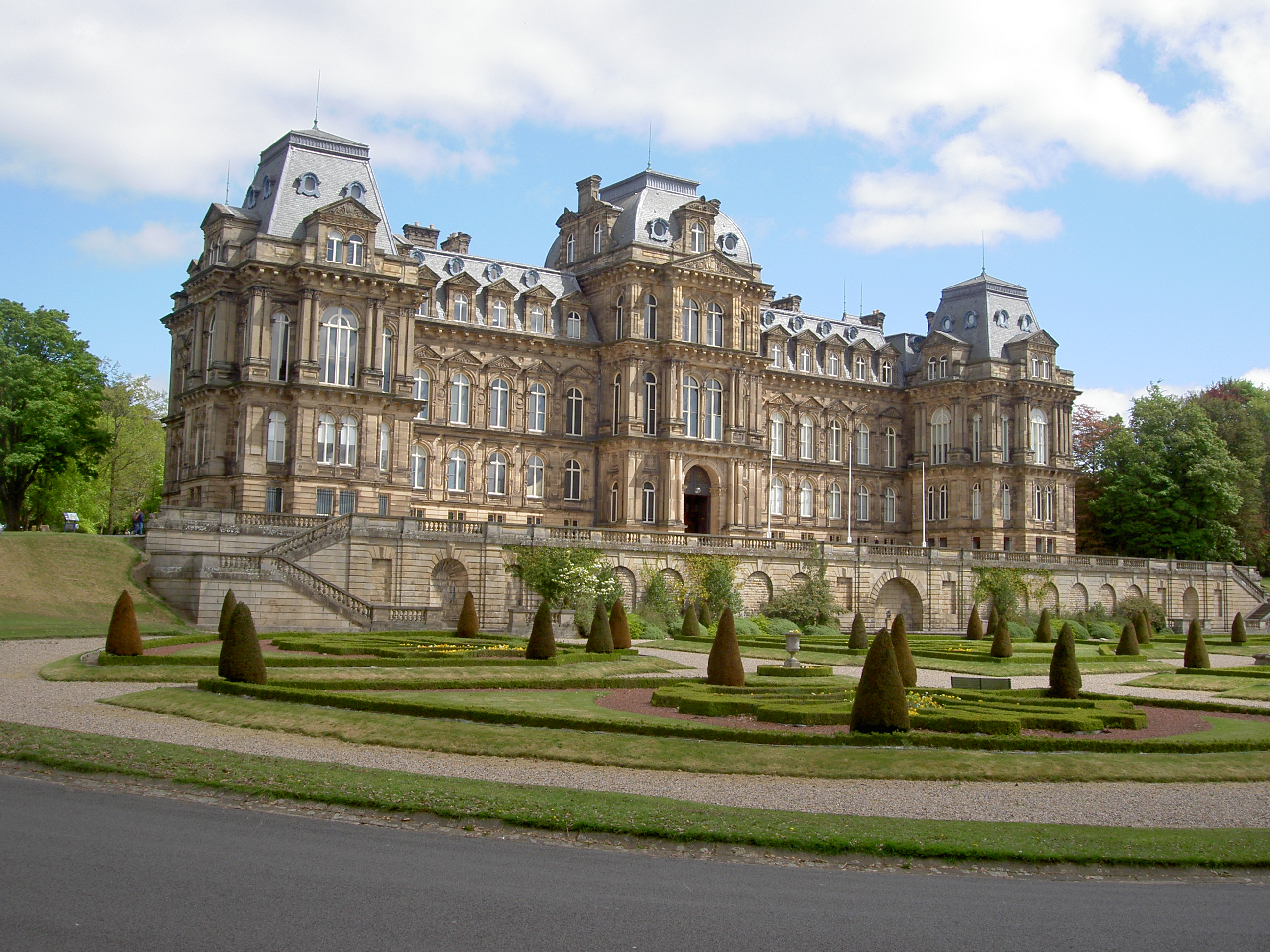
But the story of the museum is as romantic as one would like to hear. The founders were John and Josephine Bowes, whose story is truly amazing.
Just to set the scene, it is necessary to note that the late Queen Elisabeth, the Queen Mother was a member of the Bowes family (her maiden name was Bowes-Lyon), and therefore the present Queen Elisabeth has Bowes blood in her very royal veins. Now John Bowes (1811- 1885) of the museum, was the illegitimate son of the 10th Earl of Strathmore, and whilst John inherited his portion of the estate, his illegitimacy prevented him from inheriting the title, which went to his uncle, who was the Queen Mother’s ancestor. But John took himself and his money to Paris, where he bought a theatre, and promptly fell in love with, and married, Joséphine Benoîte Coffin-Chevalier, a clock-maker’s daughter, who was one of the dancers at the theatre. For a wedding present, he bought her a chateau just outside Paris. Josephine had a penchant for fine things, and became an avid collector of very fine porcelain, silver, paintings, and a whole range of what might be called ‘decorative arts’; and she was also a very fine artist, exhibiting in the Salon de Paris and the Royal Academy in London. John himself also had an eye for beauty, and between them they amassed a huge collection comprising several thousand extremely beautiful, and of course, very valuable, pieces. Josephine had longed to have a child, but her delicate health seemed to intervene and they remained childless. But the collection continued to grow, and in the end, they sold the Paris chateau, and built the Bowes Museum in John’s home town of Barnard Castle, and bequeathed it to the people of Yorkshire. Unfortunately neither Josephine nor John lived to see the building completed; the museum opened in 1892, seven years after John had died. If you find yourself in this part of the world, and have a few hours to spend, it is very well worth a visit.
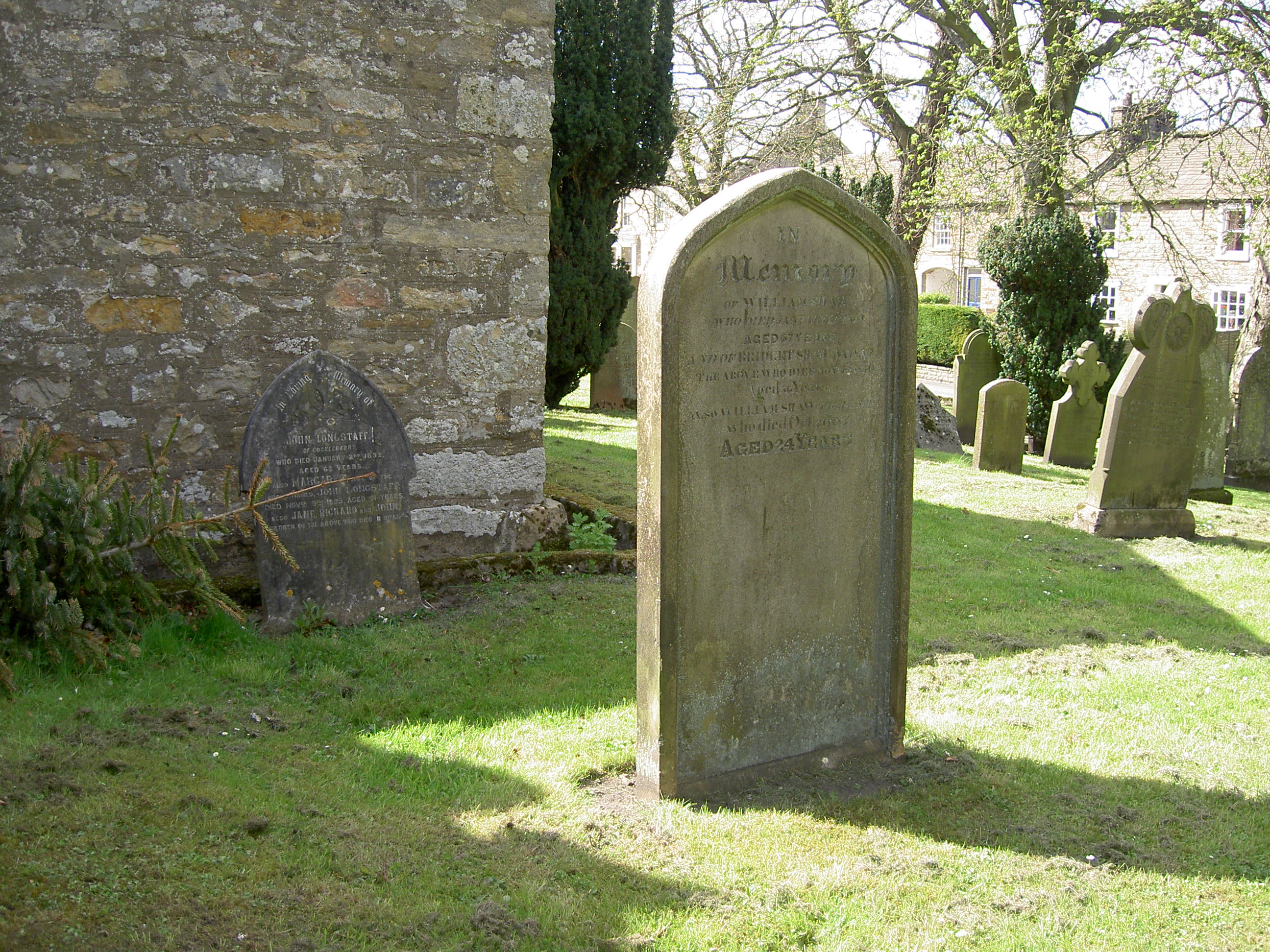
Like all museums, it has a souvenir shop, and I was surprised to find quite a number of Dickens’s books, and a few biographies of Dickens. I then recalled that Dickens had made quite a name for himself in the Yorkshire area from his book Nicholas Nickleby, which denounced the “Yorkshire Schools”. So digging deep into the memory banks, I recalled that Dickens did indeed visit Barnard Castle, and the nearby village of Bowes, gathering material for Nicholas Nickleby. So we then drove the few kilometres to Bowes and in the churchyard there, found the grave of George Ashton Taylor, one of the pupils who had died in The Bowes Academy, (run by Mr William Shaw) one of the notorious schools, and whom Dickens had mentioned as the inspiration for Smike,
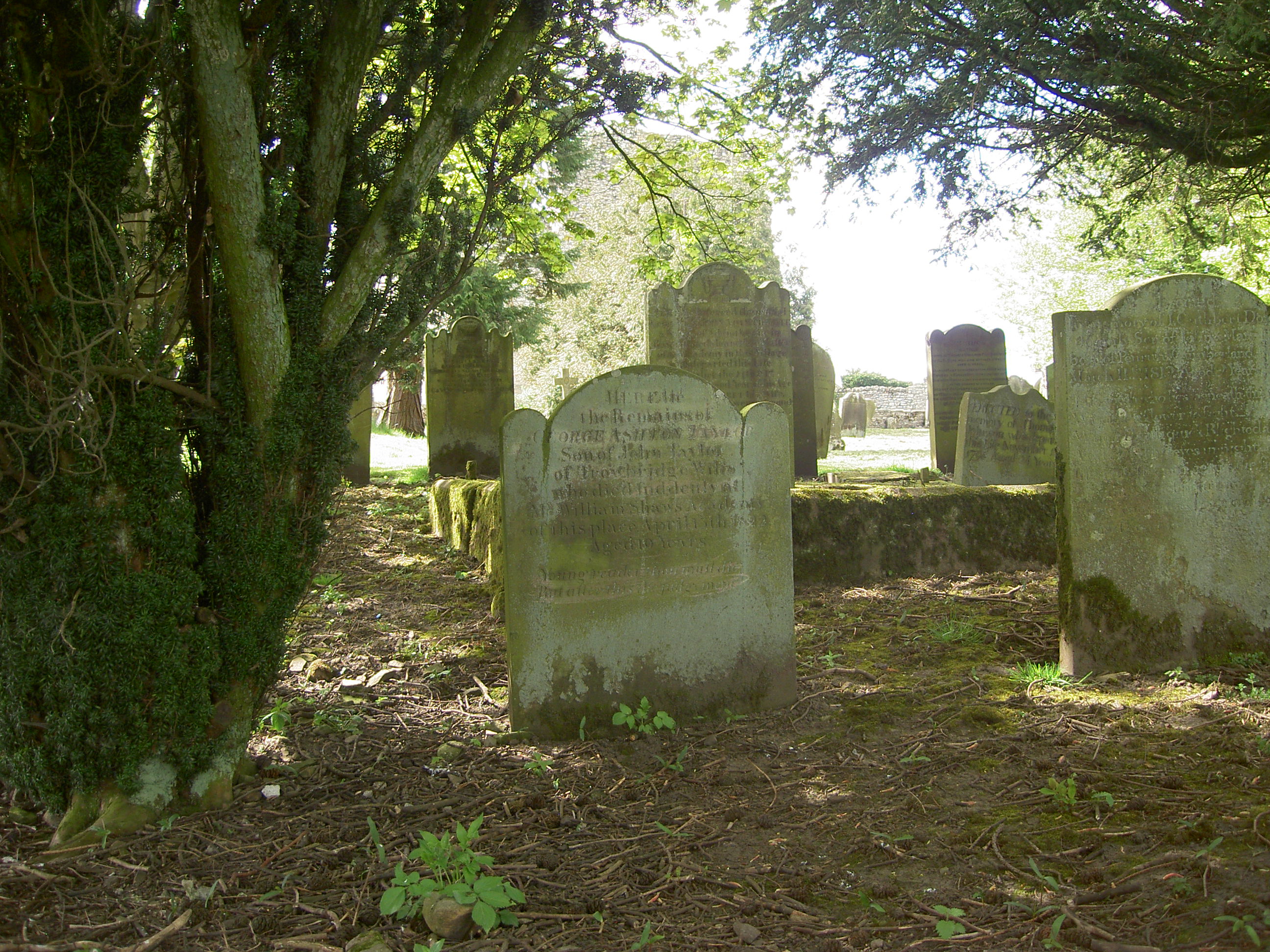
We also found the grave of William Shaw and members of Shaw’s family, who, it is widely believed, were the prototypes for Wackford Squeers and his family who ran Dotheboys Hall at which Nicholas Nickleby taught. Dickens denied this, claiming that Squeers and Dotheboys Hall was a synthesis of many characteristics of all the Yorkshire Schools, rather than a description of any particular school. However, largely because of Dickens’s polemic on the schools, Bowes Academy, along with many other Yorkshire schools, closed within a year of the publication of Nicholas Nickleby. It is now claimed that Dickens had been very unfair toward William Shaw, who was, according to his great great grandson, a very kind and conscientious man.
But despite the differences of opinion as to whether Dickens had been unfair to the Bowes academy, Barnard Castle has certainly made use of his name! We spotted a Dickens Road, and a Nickleby Close; and on the front wall of what previously was the King’s Head Inn (now a retirement home) is a blue plaque commemorating the fact that Dickens stayed there for two days doing his research into the Yorkshire Schools.
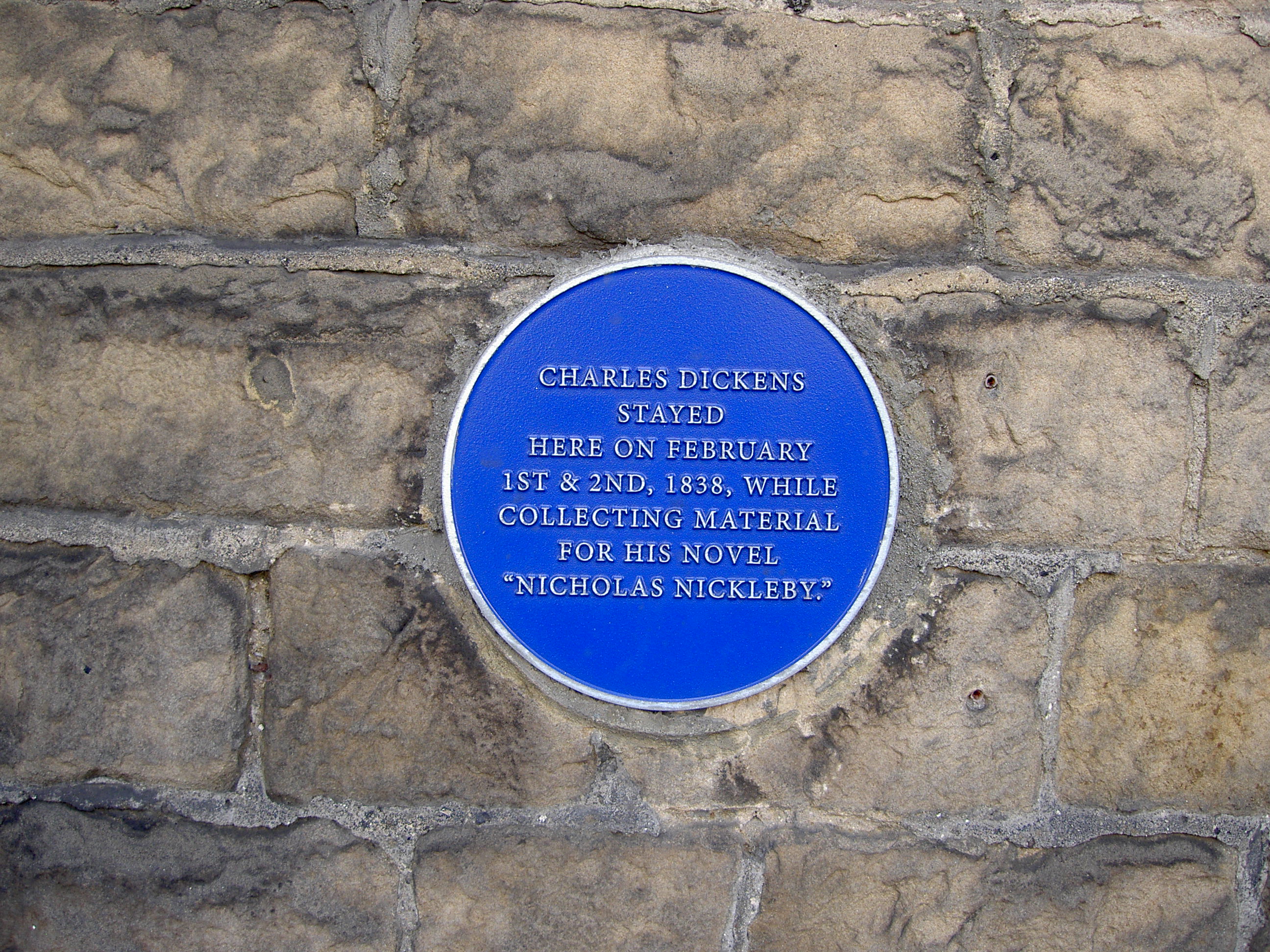
Almost opposite is a mediaeval building with a blue plaque commemorating the possibility that Oliver Cromwell may have been entertained within.
So after this very enjoyable and interesting day trip to Barnard Castle and to Bowes, we returned to the Old Mill for another excellent dinner and a good night’s sleep before heading further south, toward Hetton, just north of Skipton in the southern part of the Yorkshire Dales. We had made an arrangement to join with our nephew Rob and his wife Sal for lunch, and the chosen venue was The Angel at Hetton. In order to get there, we had to drive across much of the Yorkshire Dales National Park, and what a beautifully unspoilt part of England it turned out to be. Mile after mile of pretty much nothing other than rolling, undulating hills, mostly grassed, but with scrubby bushes and the odd stunted tree.
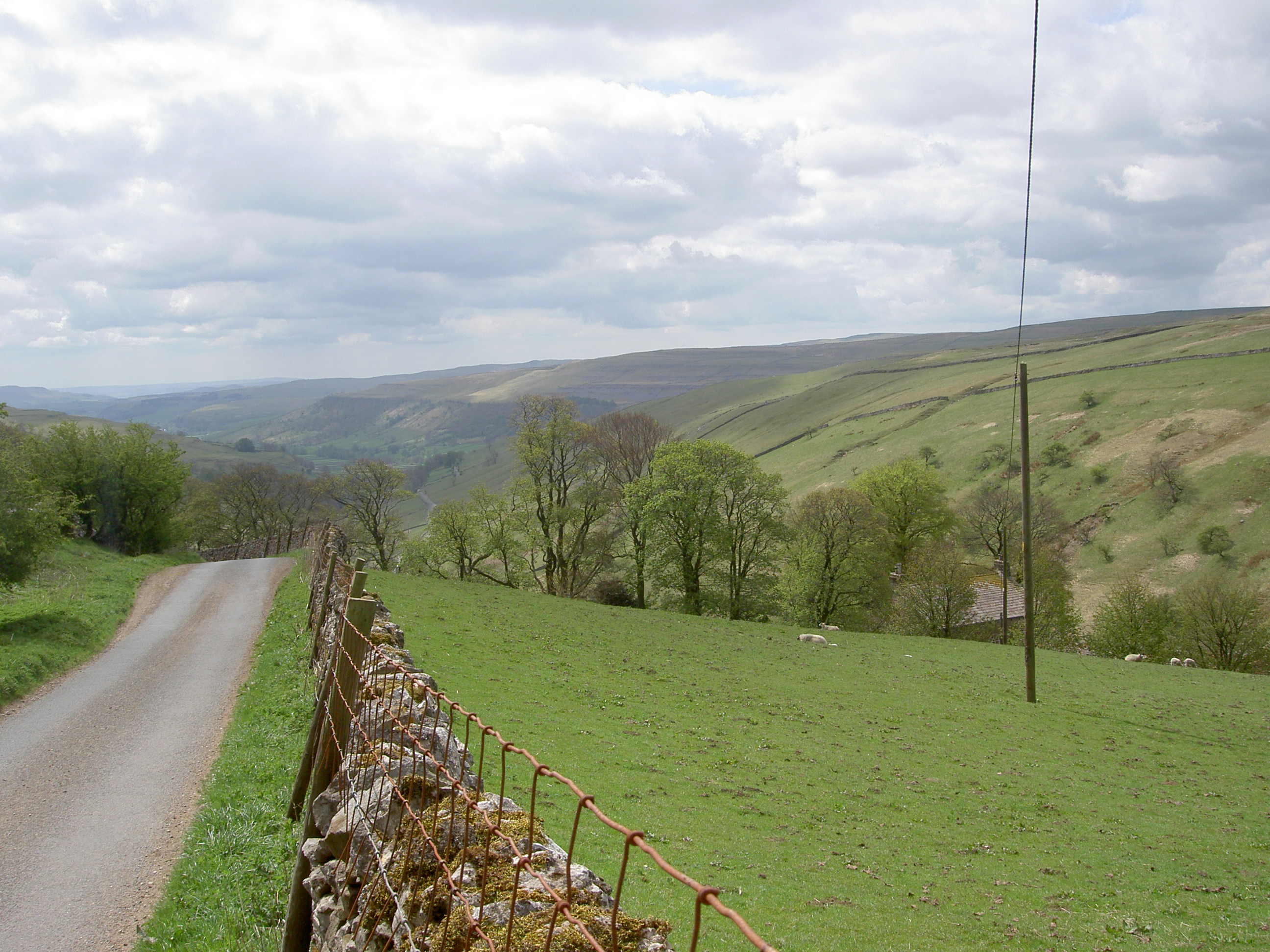
Drystone walls were used to keep the sheep in place, and for much of the drive, the walls were very close to the edges of the road. Fortunately we came across very little traffic; just the occasional cyclist or group of walkers. It was a slower drive than we had planned, but we arrived at Hetton in time to enjoy a very nice lunch in the company of our young relatives, before we had to take our leave to complete the day’s journey to Colchester—still five hours away even using the motorways!
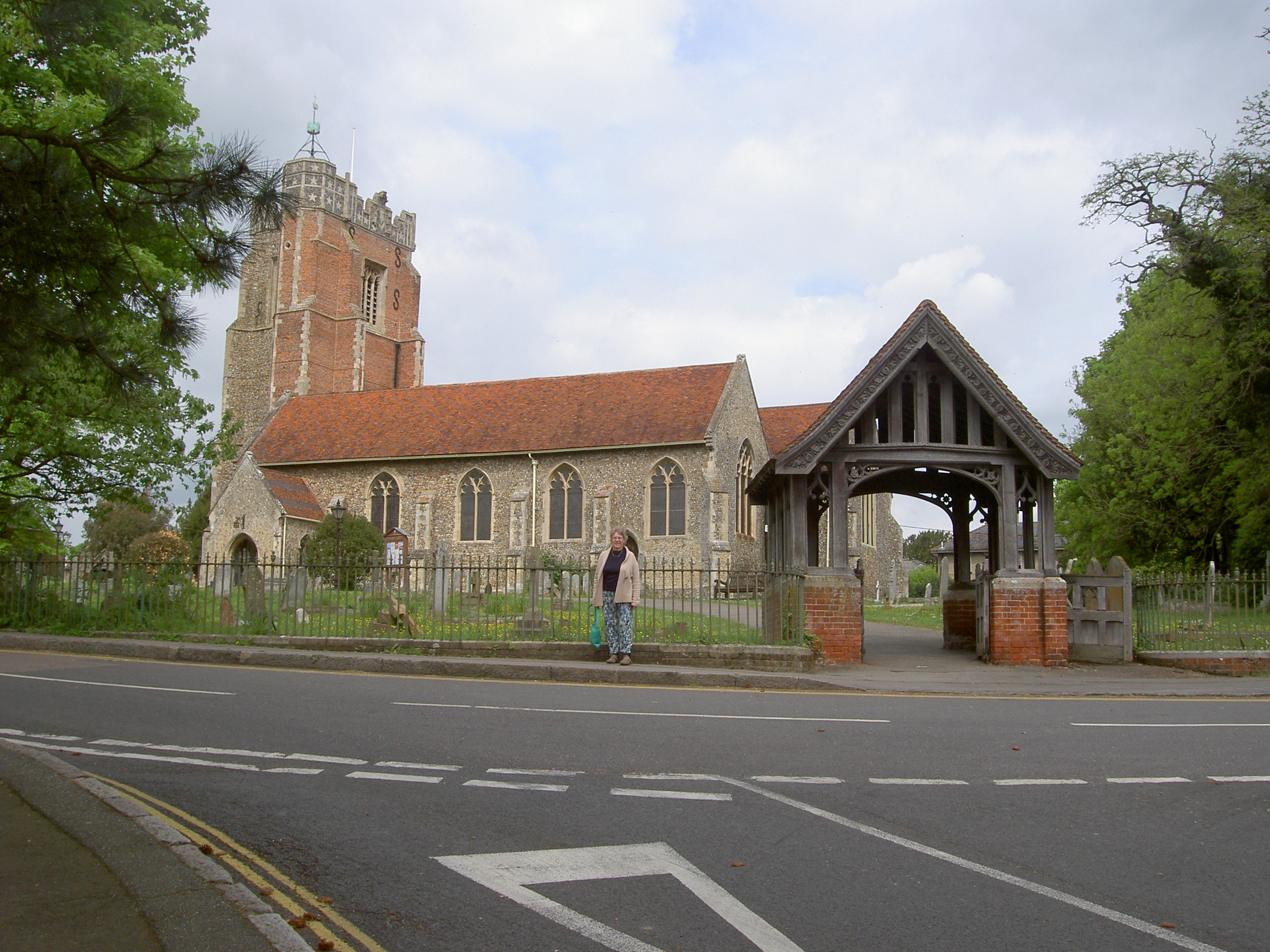
Arrived at Colchester, we caught up with Sue, an old work colleague from more than 50 years ago! In one of those strange quirks of fate, we lost touch with Sue when she married a year or so before we did, and moved away from East Kent. We left the UK for Australia a few years later, but after a gap of the order of 52 years, contact was re-established and Sue visited us in Melbourne. And now, only 5 months later, we were to be her guests in Colchester! Unfortunately, it was only to be a one-night stop, but we did have time for a sentimental stroll around the nearby village of Earles Colne, where Ann had spent a few childhood holidays with her aunt and uncle.
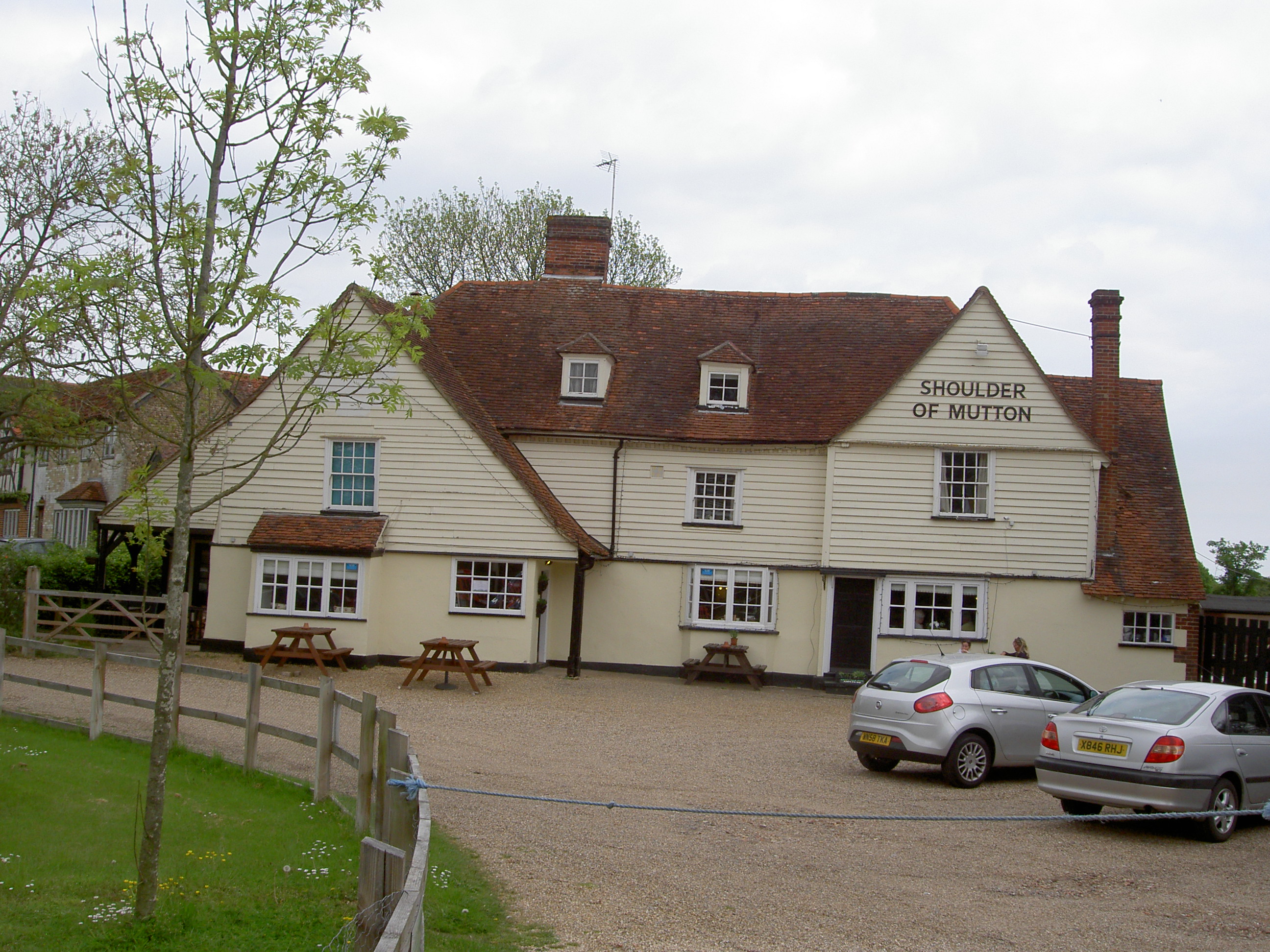
We also made time for an excellent lunch with Sue in a local pub, The Shoulder of Mutton,
before heading over the bridge which provides the south-bound part of the Dartford Crossing (of the Thames), and driving the last few miles back to Herne Bay.
 Slingsby's Miscellany