The flight back from Guernsey to England was delayed by an hour for no apparent reason, and as a consequence we had a very late dinner in Cranleigh. The following morning we were dropped off in Guildford and took the train from there to London, and thence to Margate. The English trains are very good; they are clean, quiet and comfortable, and seem to run on time. Maybe this has something to do with the right of passengers to receive compensation if the train is late. However, train travel is expensive; the one-way fare from Guildford to Margate via London was £50.00 (approx. $100.00) each. Of course that is in keeping with everything else. For the most part we were handing over pounds as though they were dollars, but each pound had cost us nearly two dollars to buy. One example is petrol—$1.30 per litre in Australia, £1.30 in England. Another good example is coffee. Not only was it generally lousy coffee, but we were paying between £3 and £3.50 ($6 to $7) a cup. But not all coffee was bad! Café G at the harbour end of Margate High Street still made excellent coffee. I always asked for ‘A long black, please’. In most places this met with a quizzical look on the face of the person at the counter, who generally asked whether I meant ‘an Americano?’ Well, no, that is not what I meant. An Americano is a large bowl-shaped cup containing a large quantity of luke-warm liquid, vaguely coffee coloured, but not tasting of anything in particular. I tried espresso, double espresso and various other offerings, but none compared very favourably with an Australian long black coffee. Apart from Café G in Margate, the only other place that understood the meaning of ‘long black’ was the Octopus Bar in Guernsey. At neither of these places did I have to try to explain what I meant—-the coffee was just made without question, and was very good.
I have written about Margate in earlier blogs, so I shall not say much more now—other than the slow demise of the High Street continues on its merry way. One of my favourite shops was Rook’s, which sold fresh meat and a wonderful selection of cheeses, meat pies, hams and other cold cooked meats. Since we were last in Kent, the Margate Rook’s has closed completely. But around the Harbour, Margate is still looking good. The Turner Centre has a lot to do with that, and this year the Turner Centre scored the coup of having the four finalists of the very prestigious “Turner Prize” exhibited there. We did not get to the exhibition as it didn’t open until after we left—but previous winners have always been controversial in that this particular prize pushes the boundaries of art way beyond what most people think of as ‘art’. A previous finalist was Tracy Emmin, who simply exhibited her unmade bed—-a bed that she had not vacated for some four or five days, and which was surrounded by unwashed clothes and other detritus. It sold recently for over £1.5M. There must be millions of parents who wish they could sell their teenager’s messy beds for a fraction of that. But as their beds were not exhibited in the Turner Prize, those beds would not be considered ‘art’ in the way that Emmin’s bed is!
There are a couple of other artistic/literary connections with Margate. One is that Ellen Ternan, a quondam friend of Charles Dickens, moved with her husband to Margate, where they established a school. The name of the road, College Road, is now the only reminder of that venture. Another literary link to Margate is that the poet T.S Elliot wrote part of his major poem The Waste Land whilst sitting in the Nayland Rock shelter during October and November, 1921. He was apparently in the area on sick leave from his day job, convalescing from some sort of nervous disorder. The Waste Land is widely regarded as one of the most important poems of the 20th century and a central work of modernist poetry . I must confess I found it a bit hard going!
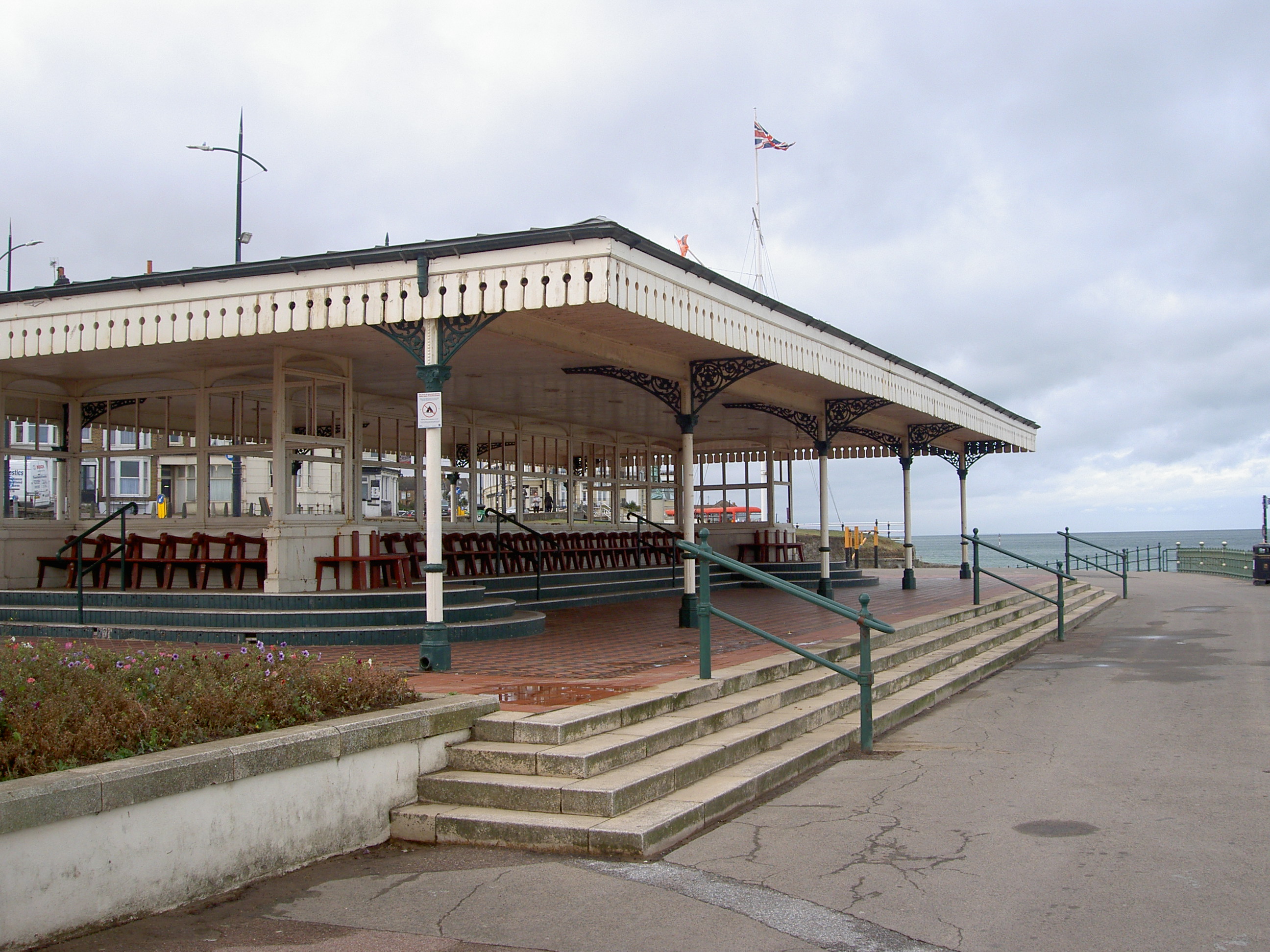
The Margate summer holiday season, which by all accounts was a pretty good one for the town, is now drawing to an end. Dreamland is preparing to close for the winter, and many of the amusements along the sea front have already closed. The beaches are deserted apart from the occasional dog-walker, and the beach huts are being hoisted on to trucks and removed to winter storages.
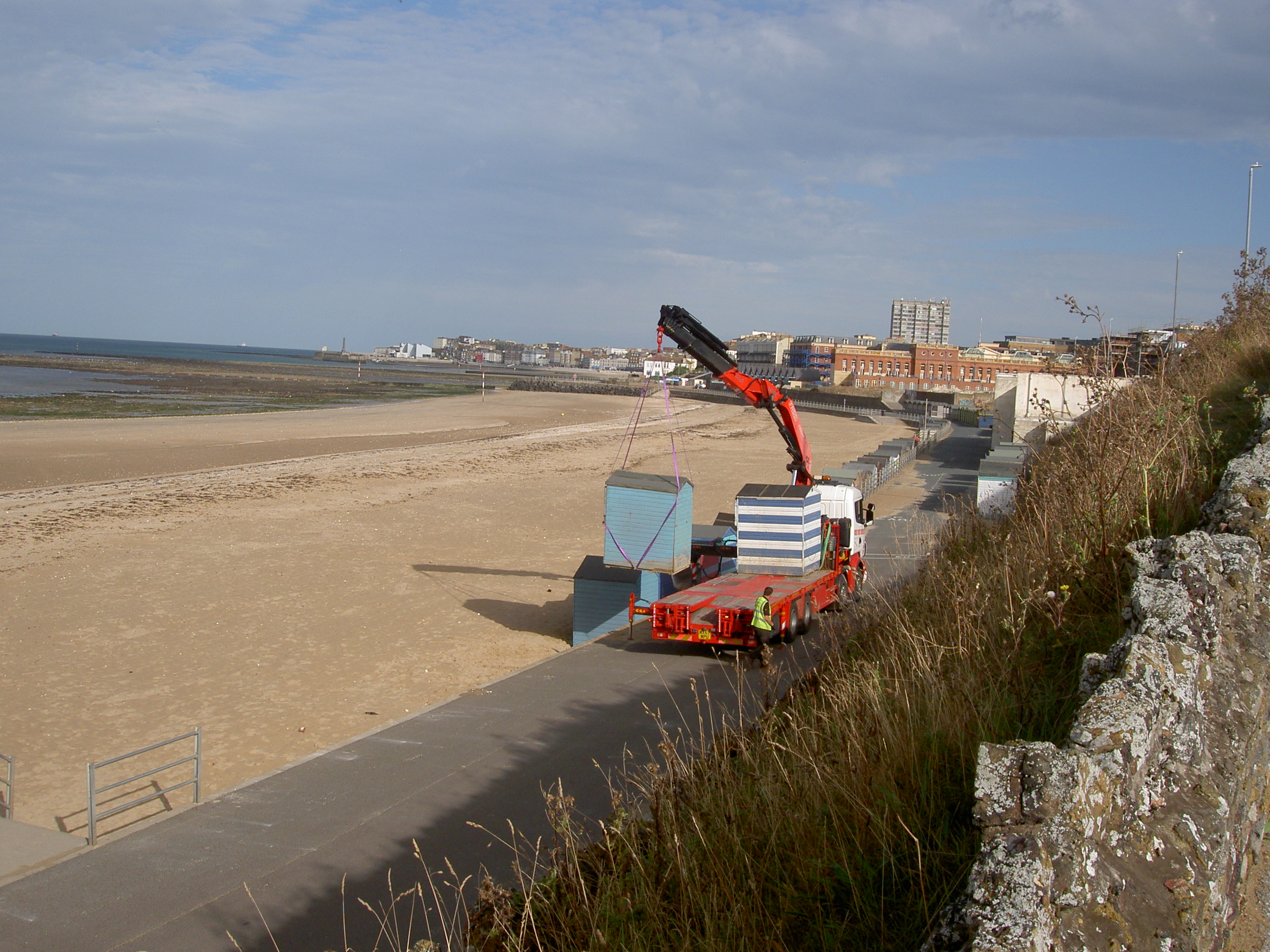
But if the sun shines again next year, and the Turner Centre can keep bringing people to the area, maybe Margate will once again find its pot of gold somewhere near the harbour.
We returned to Herne Bay for the last few days, catching up with family and friends. We enjoyed a very nice meal at The Old Gate Inn, a rambling old building dating from 1728, which was originally a tollgate on the road to Dover, (not to be confused with The Gate Inn in the East Kent Marshes).
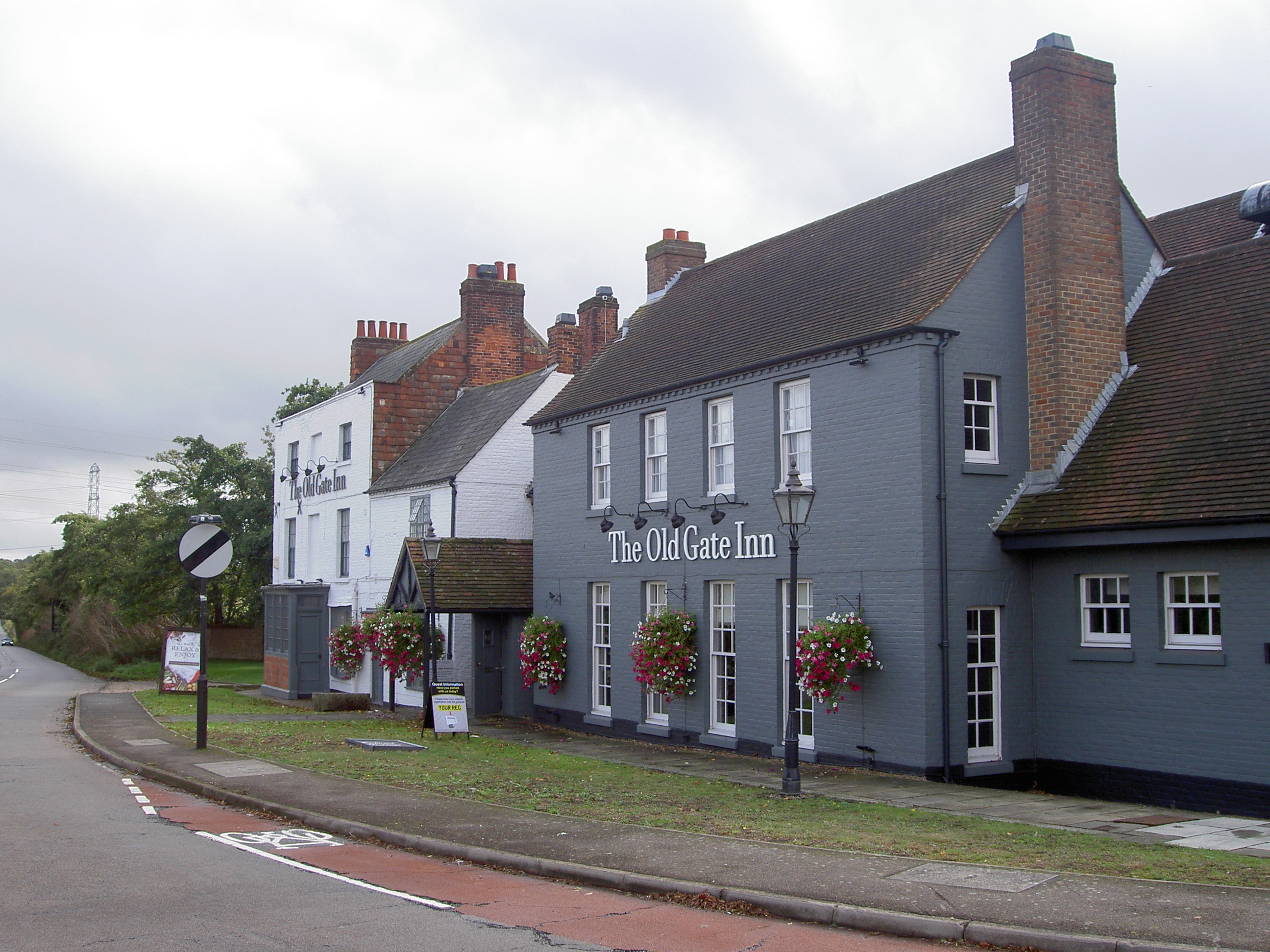
We also enjoyed a meal at The Punch Tavern, which, because if its location between Herne Bay and Canterbury, was originally called The Halfway House.
We made a trip to Ramsgate, which we had not visited on the last few trips to the UK. It is looking quite spruced up around the harbour; the old harbour-side casino has been fully refurbished and is now a Wetherspoon’s pub—-a much better use of the building than gambling.
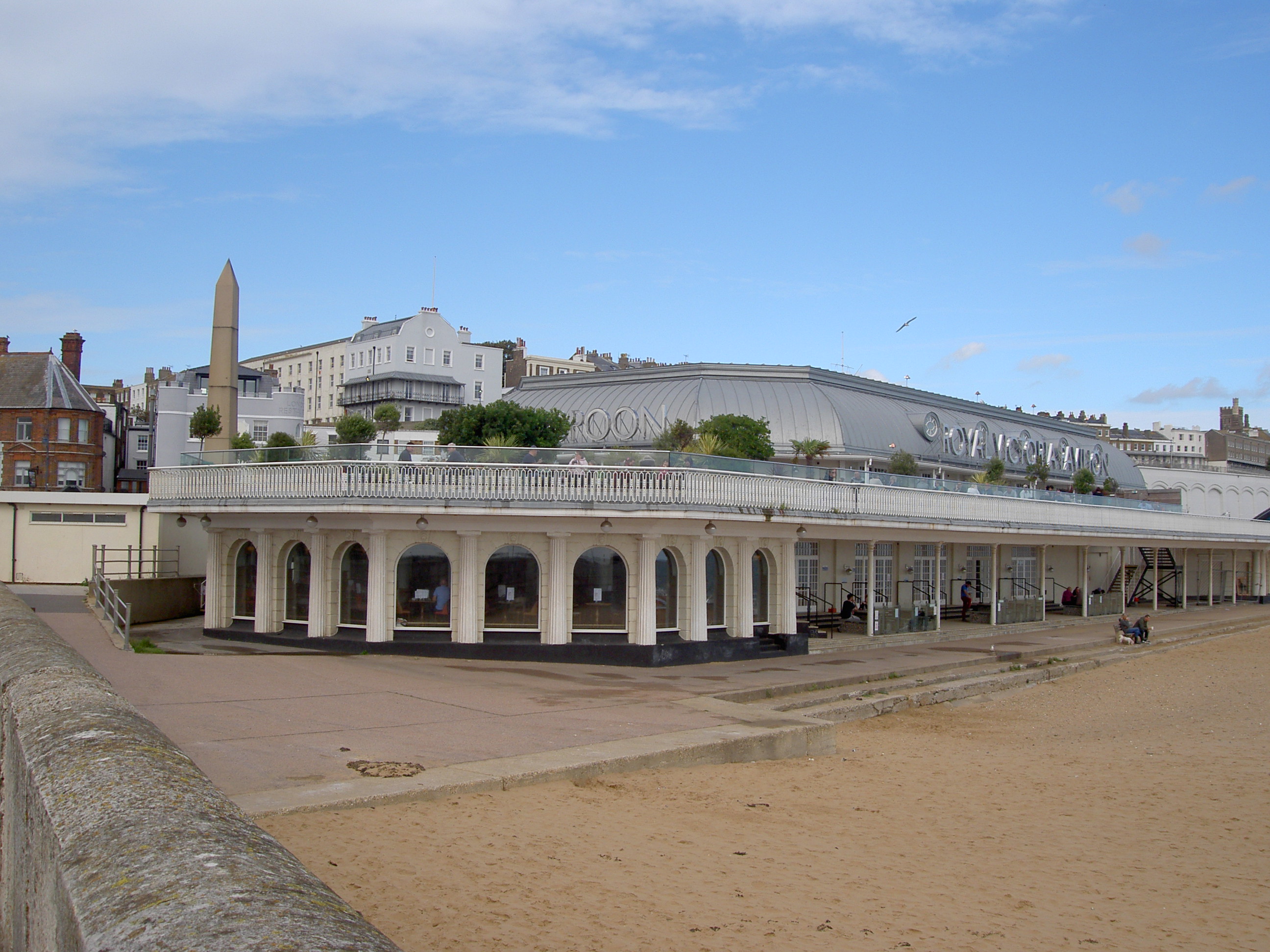
The décor is very nicely done, the beer is cheap, the food is good, and lunch on the outside balcony overlooking the beach was very pleasant. Just nearby is a monument to King George IV erected “…as a grateful record of his Majesty’s gracious condescension in selecting this port for his embarkation on the 25th September in progress to His Kingdom of Hanover and his happy return on the 8th November 1821”. A rather pompous inscription, I thought.
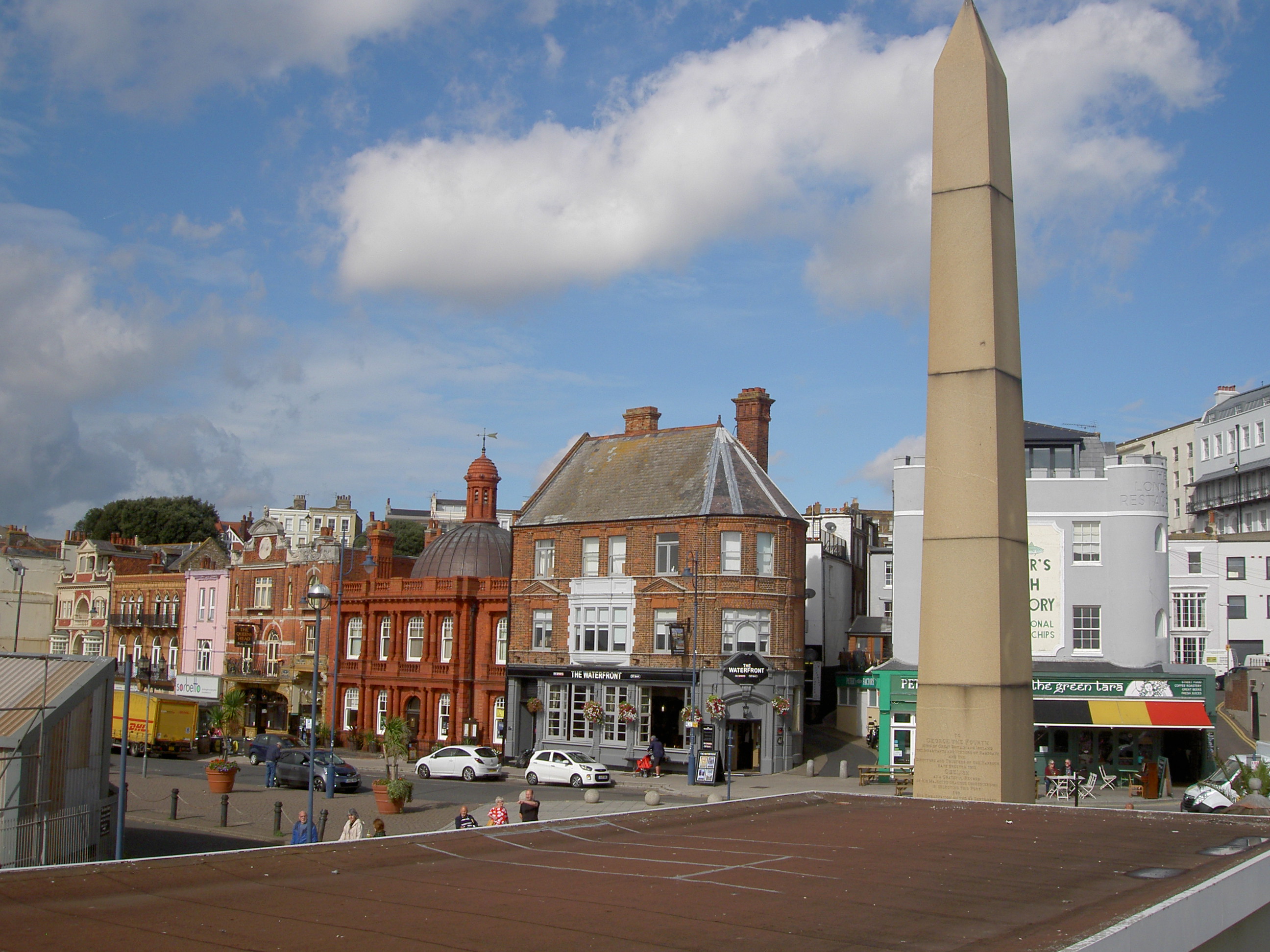
We then went for a stroll along the western cliff top, overlooking the end of the harbour and the open sea of Pegwell Bay. It was all very nicely gardened, and made for a very pleasant walk. Along the way we came across a sculpture of a pair of hands holding what from a distance looked like some juggling balls.
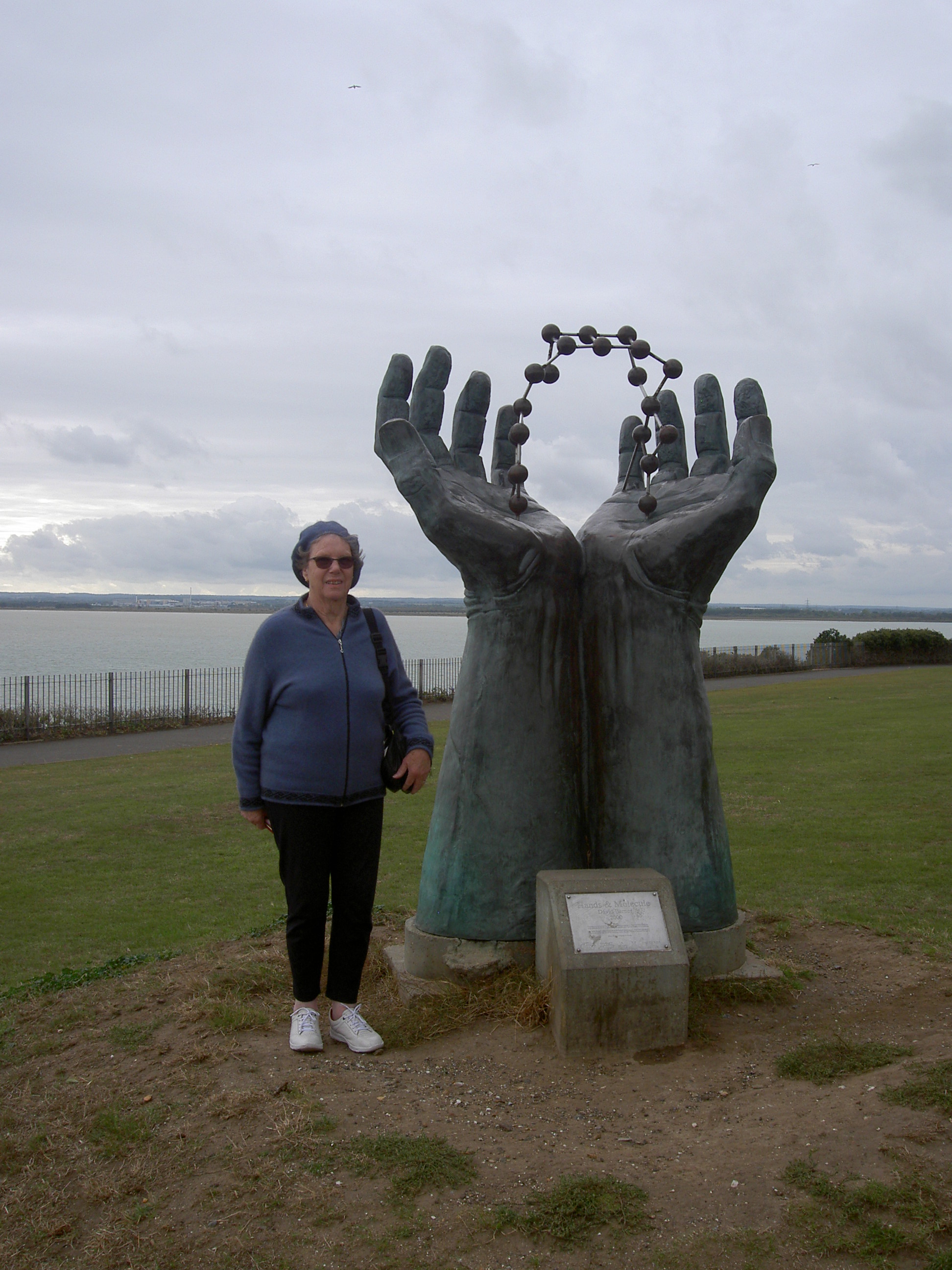
We could not resist a closer look, and found that it “celebrates the discovery, development and manufacture of innovative medicines in East Kent” —mainly by the pharmaceutical giant, Pfizer. We had both worked at Pfizer nearly 60 years ago, and in fact that is where we met—-in the polio vaccine testing laboratories; so we thought we had some proprietorial interest in this monument. On closer inspection, the ‘juggling balls’ turned out to be molecular model which bore more than a passing resemblance to a fragment of a tetracycline antibiotic, which family of antibiotics Pfizer was manufacturing at the Sandwich plant all those years ago. The Pfizer plant can just be seen beyond the sea to the left of Ann’s shoulder.
We went back to Canterbury, and whilst Ann was on a shopping spree with her sister-in law, I became a flâneur around the back streets, finding quaint spots and anabranches of the river Stour that I never knew existed.
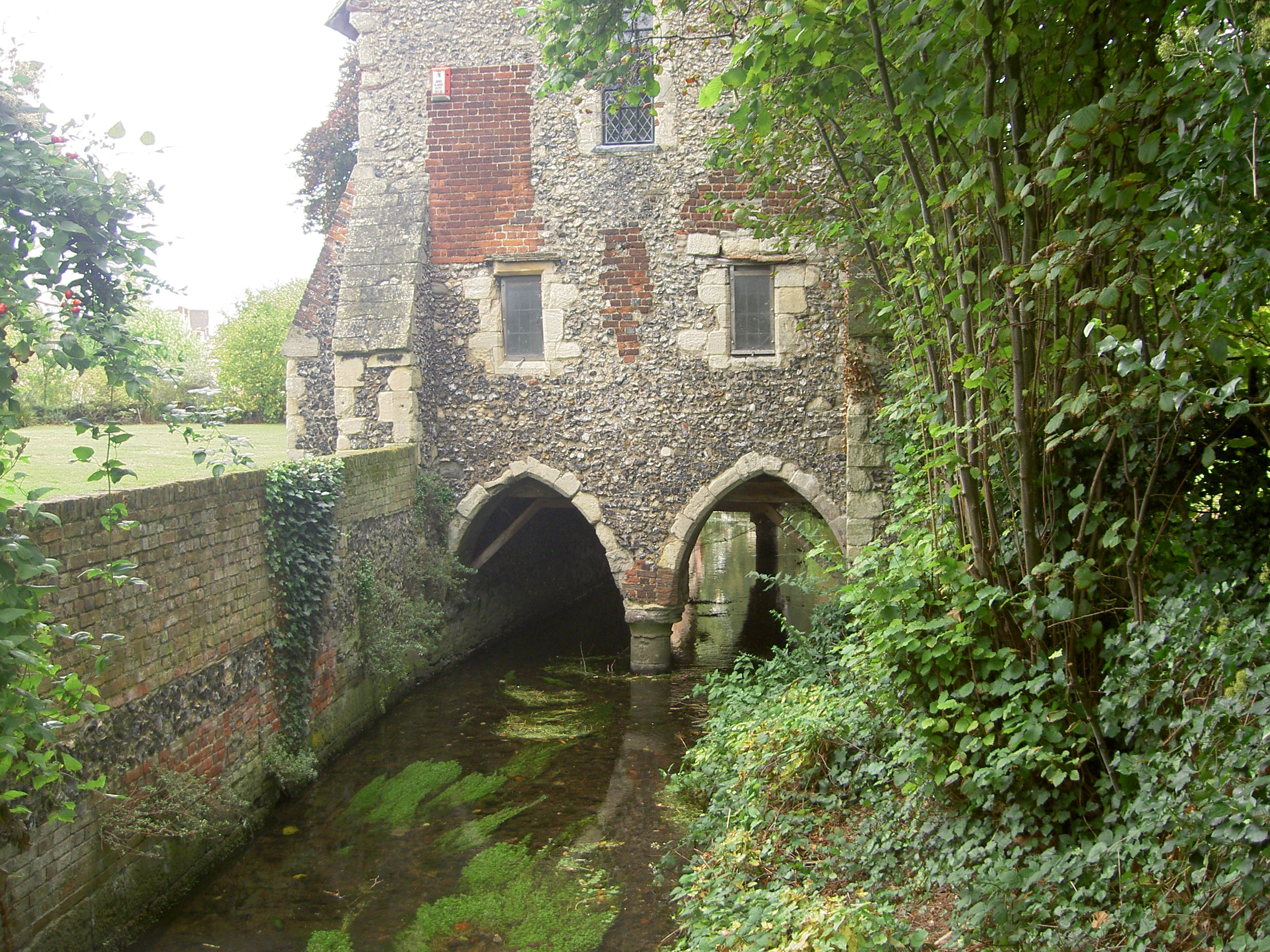
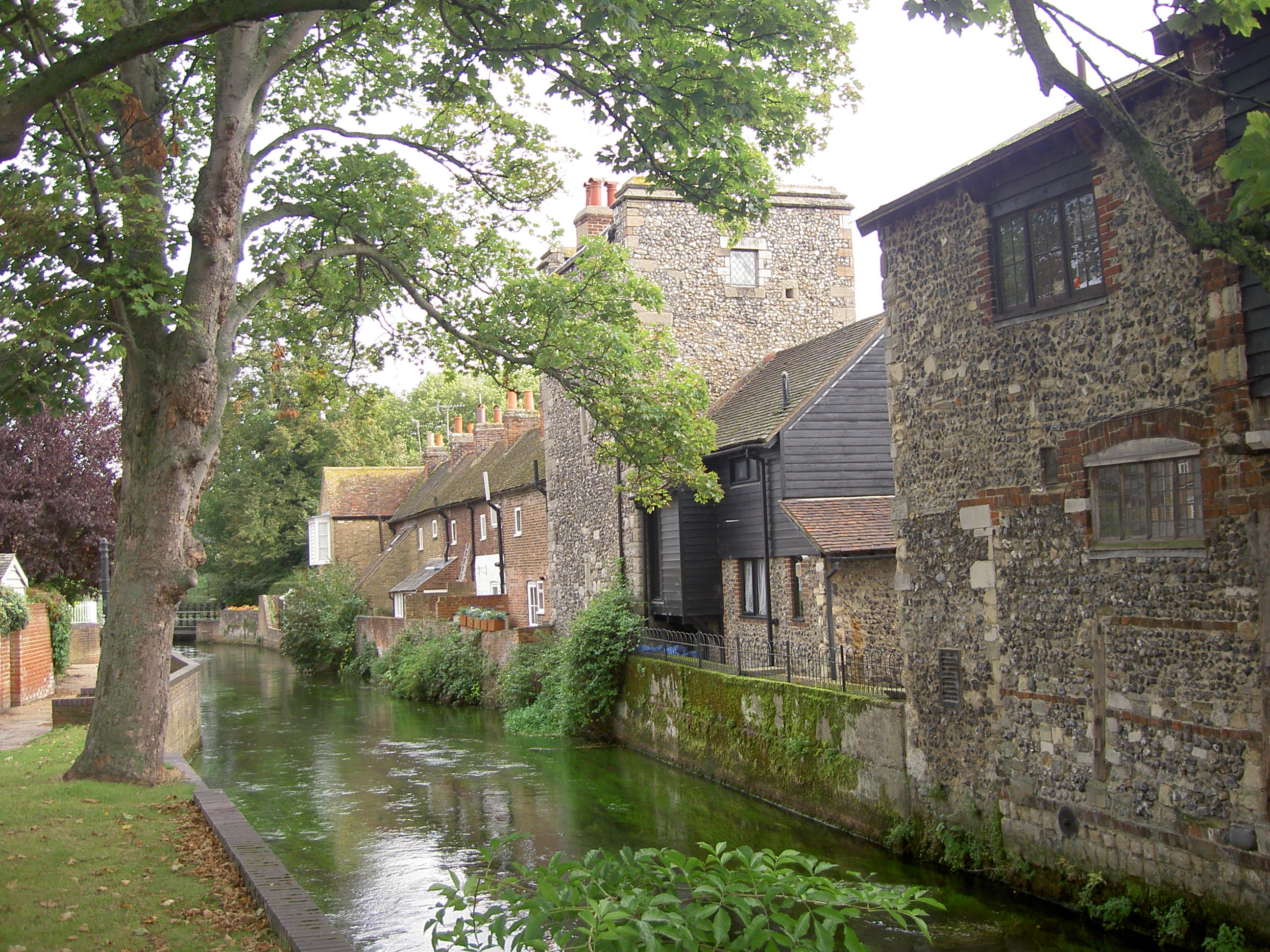
I visited another of the ancient pubs, enjoyed a last pint of Shepherd Neame beer,
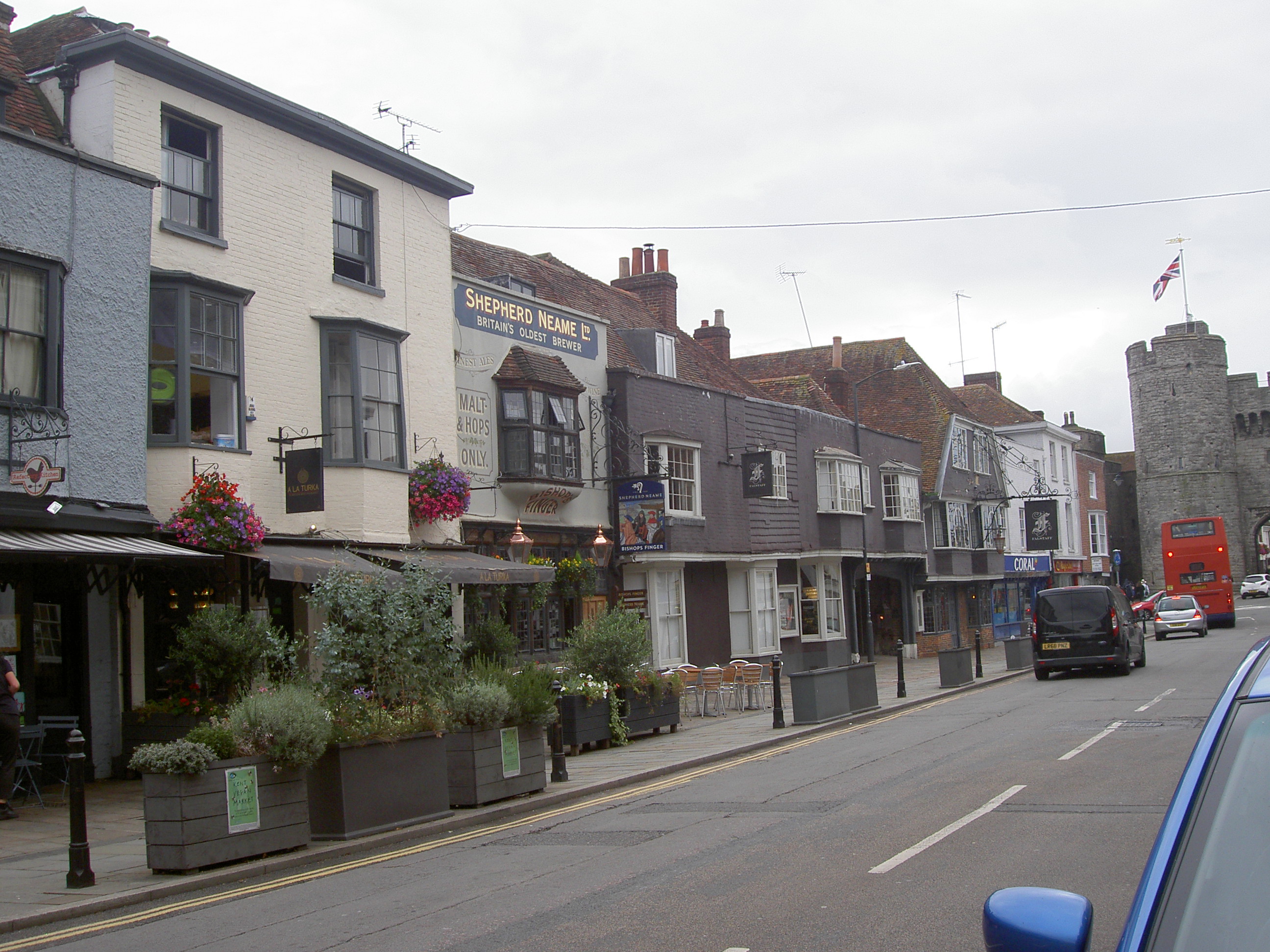
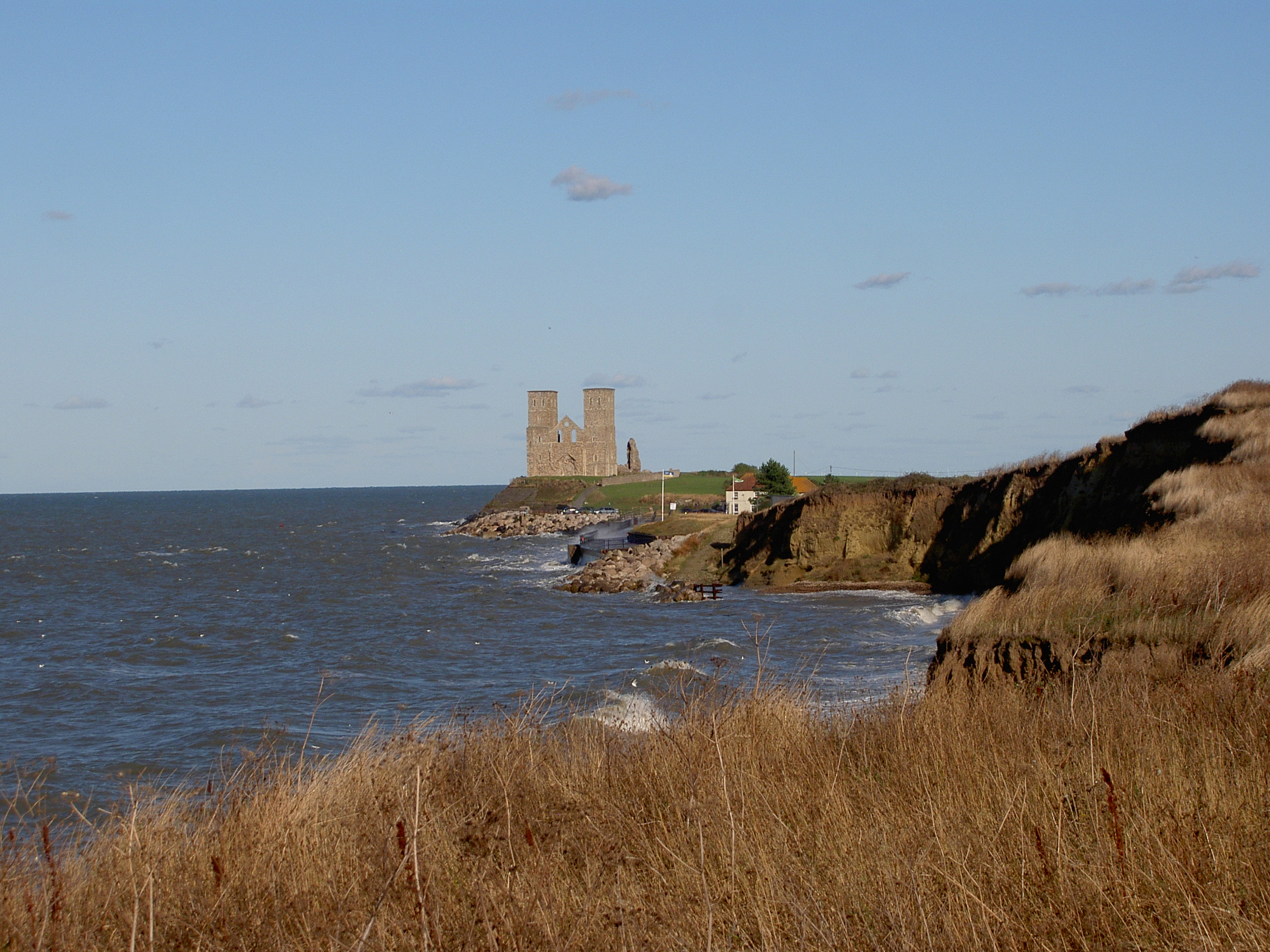
then walked the five or so kilometres to Sturry, from where I caught a ‘triangle bus’ back to Herne Bay. The following day we took a nice walk along the cliffs at the edge of the marshes to the old Roman fort of Reculver. (Note; the towers in the photograph are not Roman, rather they are all that remains of the mediaeval Church of St Mary, and are owned by the Maritime Authorities as a navigation aid.). The Roman site is managed by The English Heritage; and the adjacent clifftops and marshes are classified as significant wildlife sanctuaries and nature reserves.
But our time in the UK couldn’t last for ever, and it didn’t last for long. All good things come to an end, and after 5 weeks and a half, it was now time to pack everything into the suit cases and head to Heathrow for the flight back home. It really was a great trip. Everything went according to our original plans, except for not making a trip to France to have a lunch with our granddaughter; but maybe another time, who can tell………?
 Slingsby's Miscellany