Saturday April 16 and Sunday April 17 were largely spent at the hospice with Ann’s brother, who passed away peacefully on the evening of the 17th. But as I have previously mentioned, this blog is more to do with other aspects of our trip than with immediate family matters.
So it came to pass that there was time to have a good long walk, and a closer look at Margate. It is only fair to say that Margate, from Dreamland to the clock tower is a sad and sorry sight. Admittedly it is ‘out of season’ and bitterly cold, so one should not expect too much action along this part of the town. But nonetheless, the several pin-ball machine arcades, interspersed between the empty, nearly derelict shops and cafes, are not at all inviting. Further along the front, from the clock tower to the bottom of the high street is just as bad, but around the harbour and the old market square, things are looking more prosperous. I then continued up Fort Hill and along the cliff-top road, to the Wintergardens.
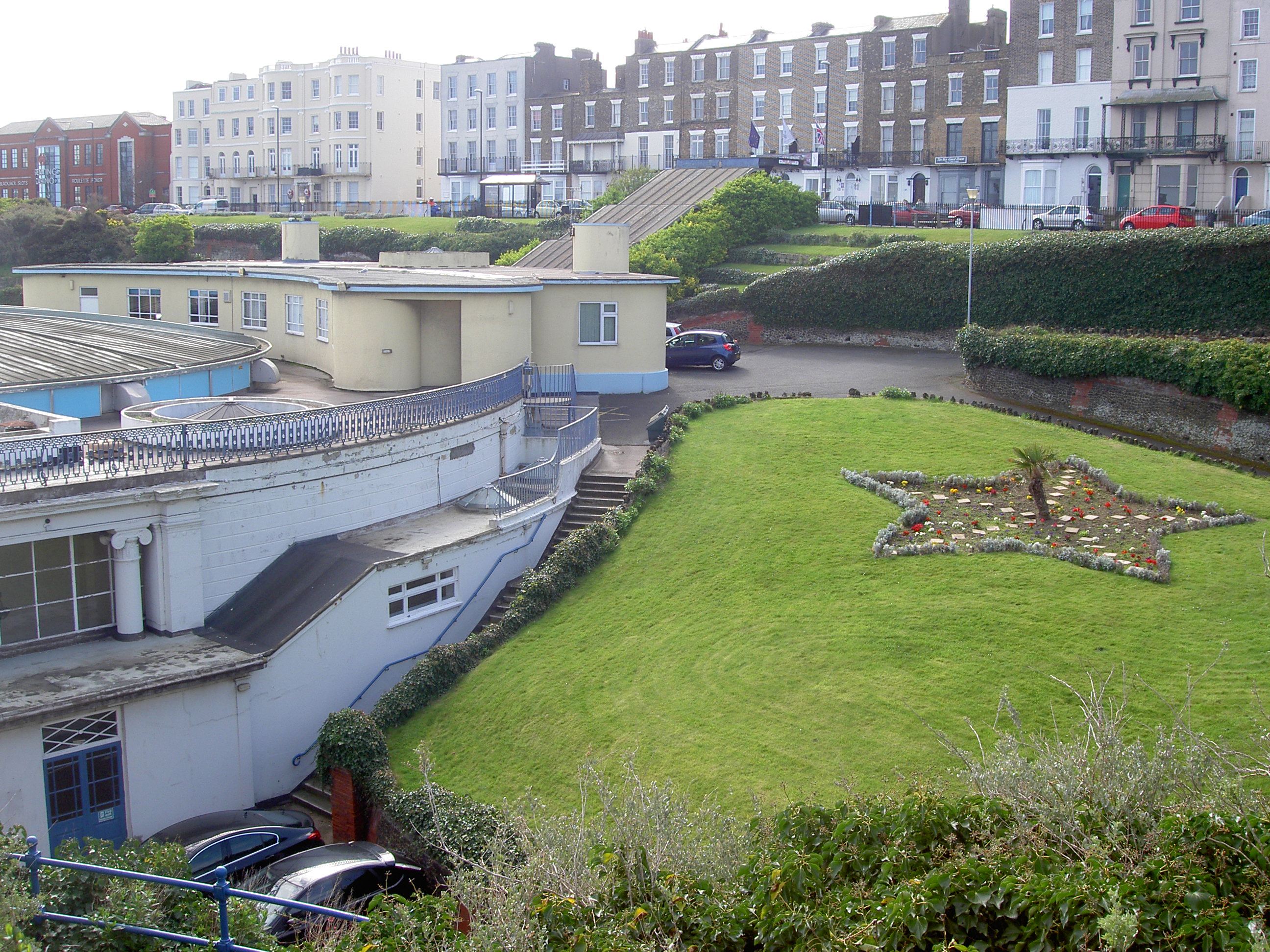
Built in the early 20th century, by excavating a huge hole in the cliff face, largely with pick and shovel, a venue was created for entertainments during the long cold winters. I recall seeing Humphrey Lyttleton’s Jazz Band there more than 50 years ago. It was also a favourite performance space for the local amateur operatic and dramatic societies; dances were held there, and the London Symphony Orchestra and the famous comedians of the day performed there. Having looked down on it from the top road, and noting that the gardens were very well maintained and looking very spring-like with tulips and other flowers, I wandered down to the Promenade below the cliff, from which the Wintergardens are entered.
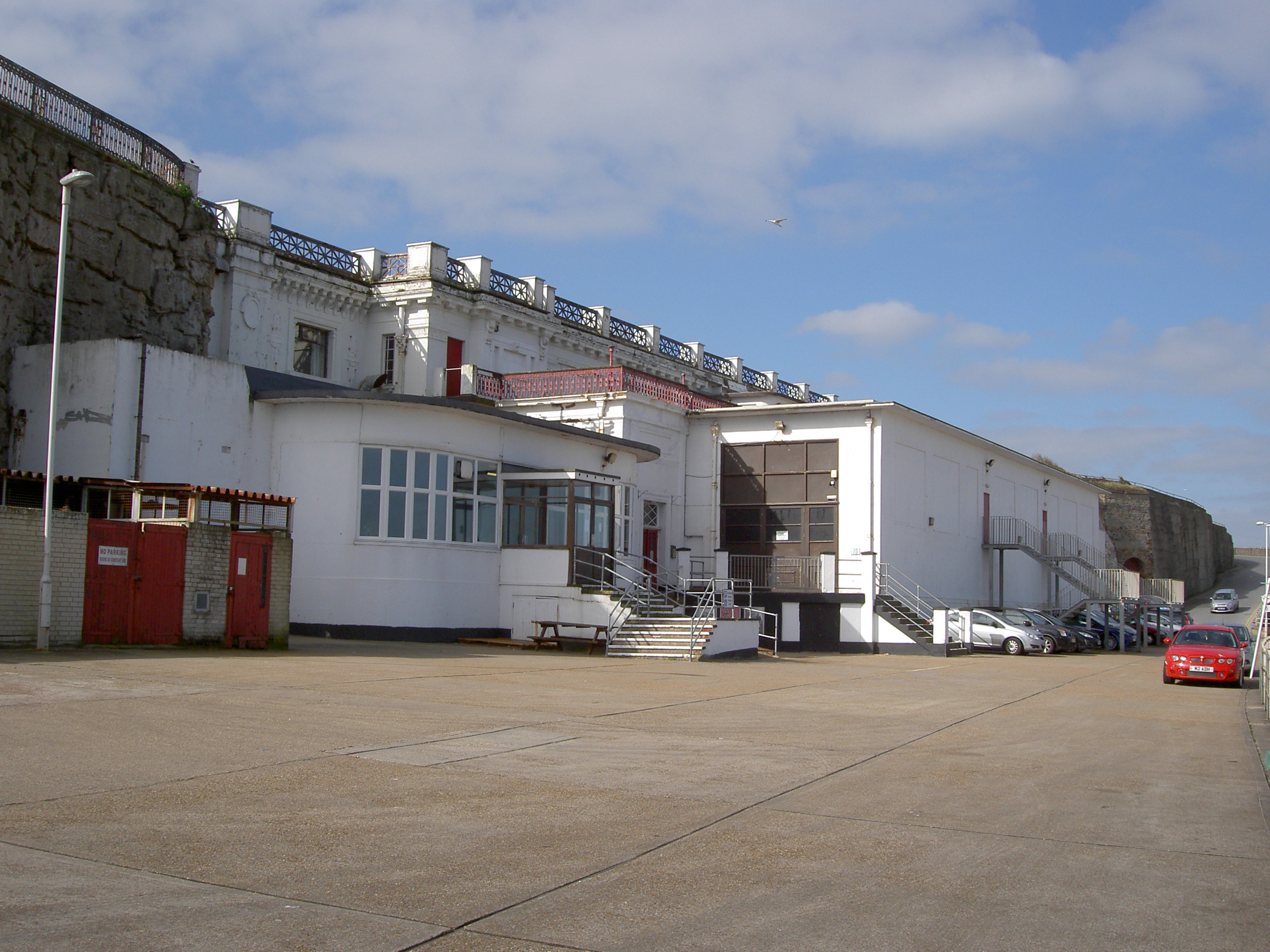
From this point of view, it was a depressing site. The building entrance was all shuttered up, and wind-blown rubbish had accumulated in nooks and crannies. One hoped that this is only a pre-season mess, and all will soon be cleared up, as I have been assured that inside, the Wintergardens are just as they were, and are still very much used.
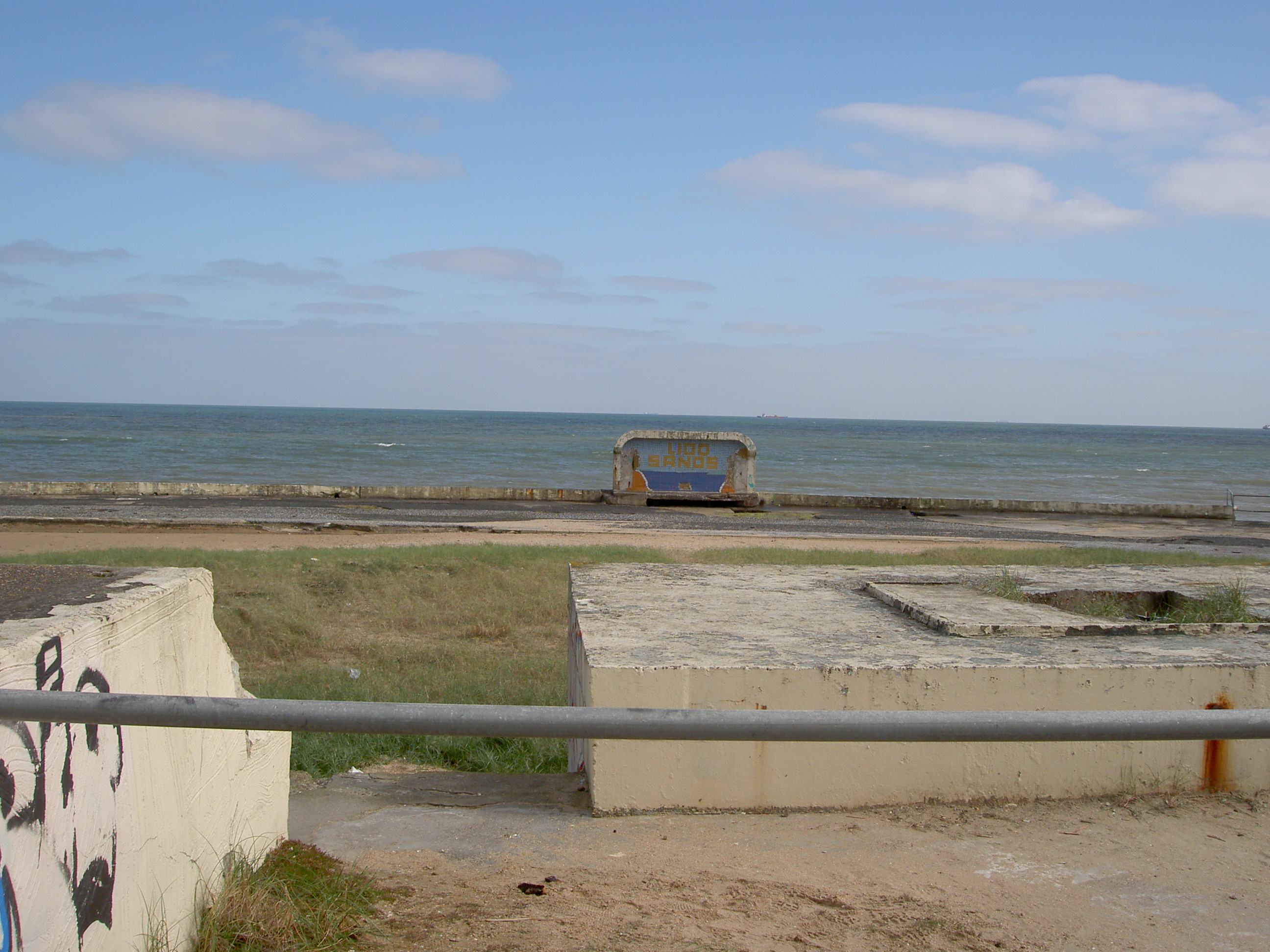
Continuing my stroll along the promenade, I next came to the Lido, originally built as public baths in 1824 as more ‘up-market’ dwellings and boarding houses were built at Cliftonville.
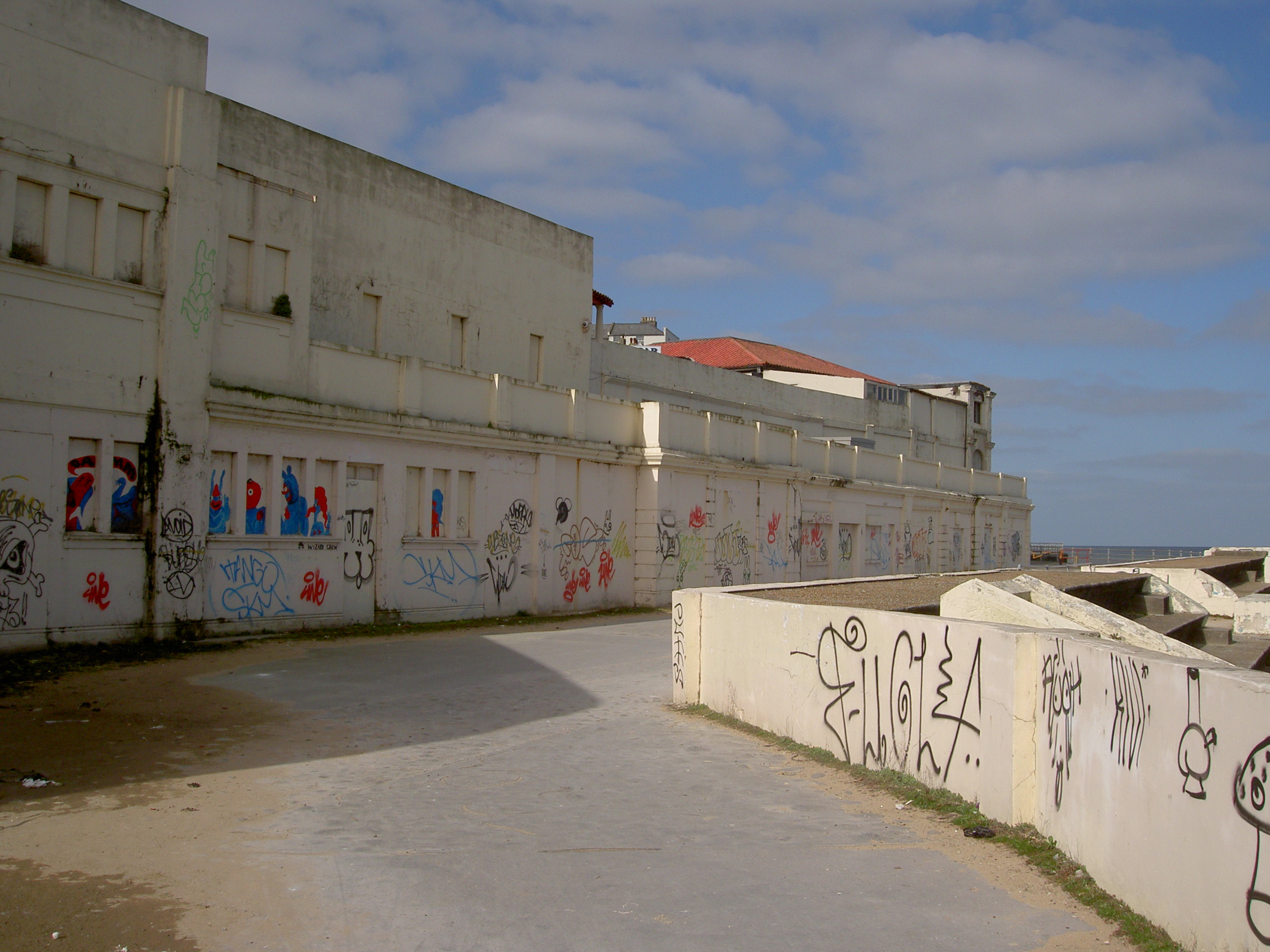
This was even more depressing, and with all the graffiti on the shutters and walls, presented as an area where no-one would feel safe if walking alone at night. The once popular ‘Lido Sands’ looked more like the local tip than a place of unbridled pleasure.
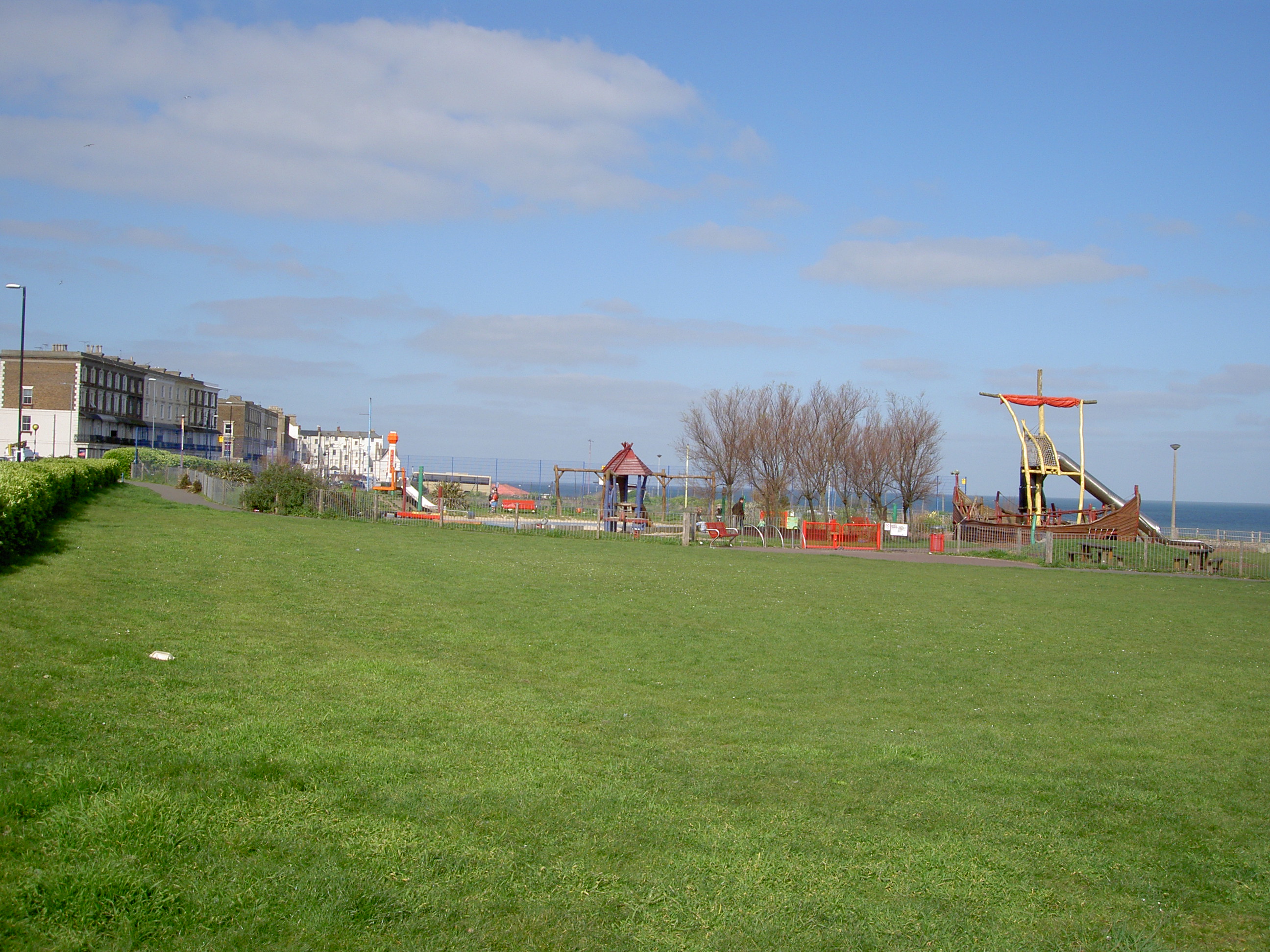
So passing quickly on, I climbed a steep slope to the top, to discover a very well-maintained children’s playground and lawns, many splendid new apartment blocks, and some very well restored original dwellings. Such a contrast to the desolation along the lower promenade!
I continued walking away from the seafront, toward Northdown Road. This was a major shopping strip in days gone by, and is still fairly vibrant, given the season. But the shops seemed rather tired and tatty, and less affluent than I recall. But I did find a very nice coffee in a café toward the eastern end of Northdown Road. From there I wandered to find Approach Road, where we lived for the first two years of our married life, 50 years ago. Finding number 42, there was a gentleman washing his car in the street right outside. I sought his permission to take a photograph, which he readily gave when I explained my reason for doing so.
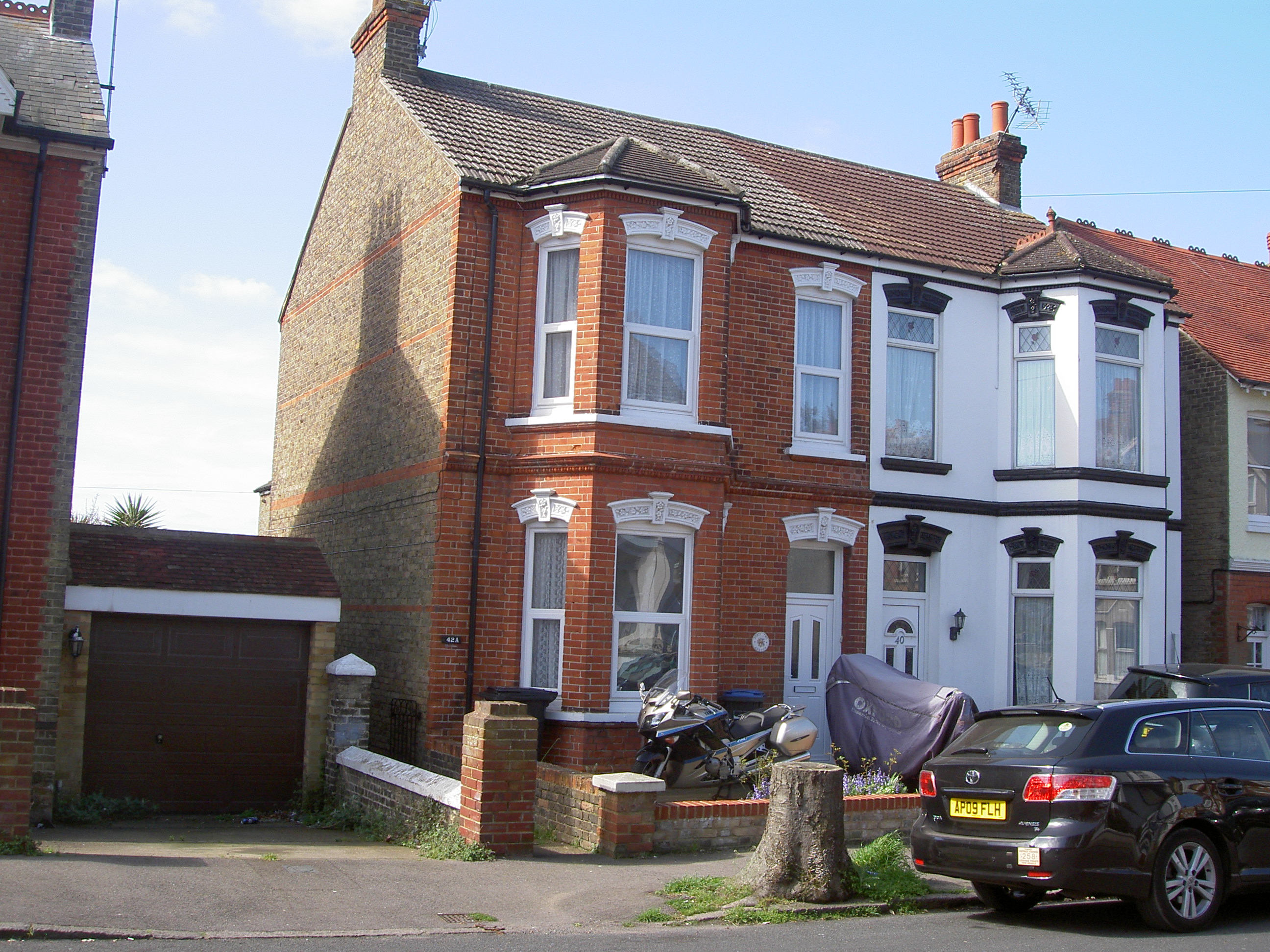
We had quite a chat, and he lived in the ground-floor flat, whilst we used to live on the first floor. Externally the building had not changed one bit, and I suspect that internally it would likewise still be the same. Something must have changed, though, for I had not realised that from just outside the front door, there was a glimpse of the sea! Maybe a couple of trees had been removed? I could not be sure.
I continued my walk through nearby Dane Park, and so back to Margate, passing as I did so, the Theatre Royal. Built in 1787, this grand old theatre has had its share of ups and downs, but now is in an “up” phase. Freshly painted on the outside, it looked very prosperous. The boards outside promised a Harold Pinter play (The Birthday Party) coming soon (but after we return to Melbourne). The Royal Ballet was coming, and there seemed to be a very full program of touring Rep companies about to visit. The current production was a play called The Joke, and I secured two tickets.
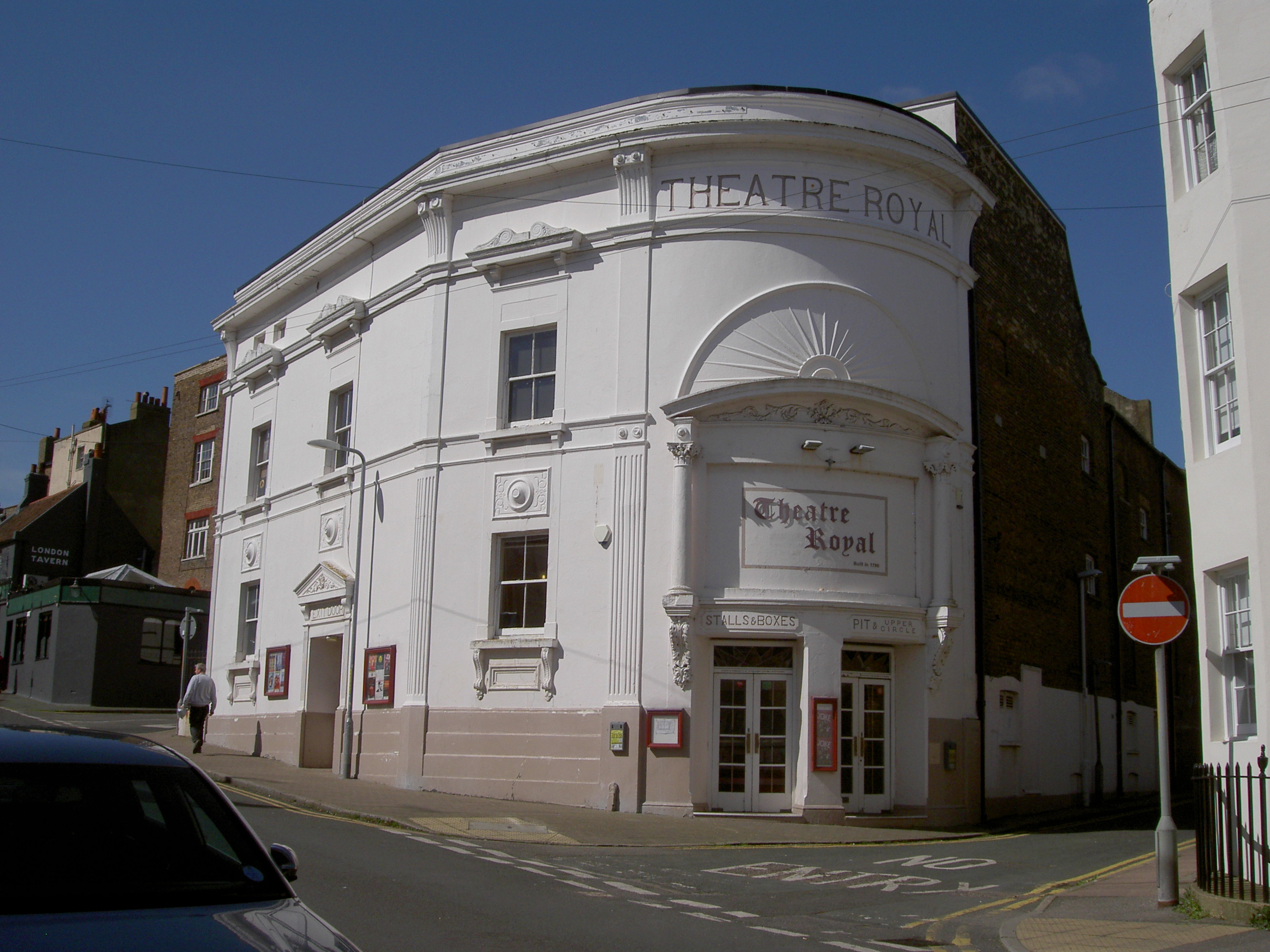
Now I have to mention here that the last time we were at the Theatre Royal was in January 1963. That was the year the sea froze, and it was bitterly, bitterly cold. The theatre could not afford to run the heating, and for the production of Great Expectations that night, the eight of us in the audience were issued blankets to huddle in to keep warm. It was freezing, and the words left the actor’s mouths as blocks of ice which stung our ears each time they were fired. But it was a great performance. Since then we have met, in Melbourne, another member of the audience of 8, who was there with his brother, mother and father! So now we have identified six of the eight, and we often wonder what happened to the other two!
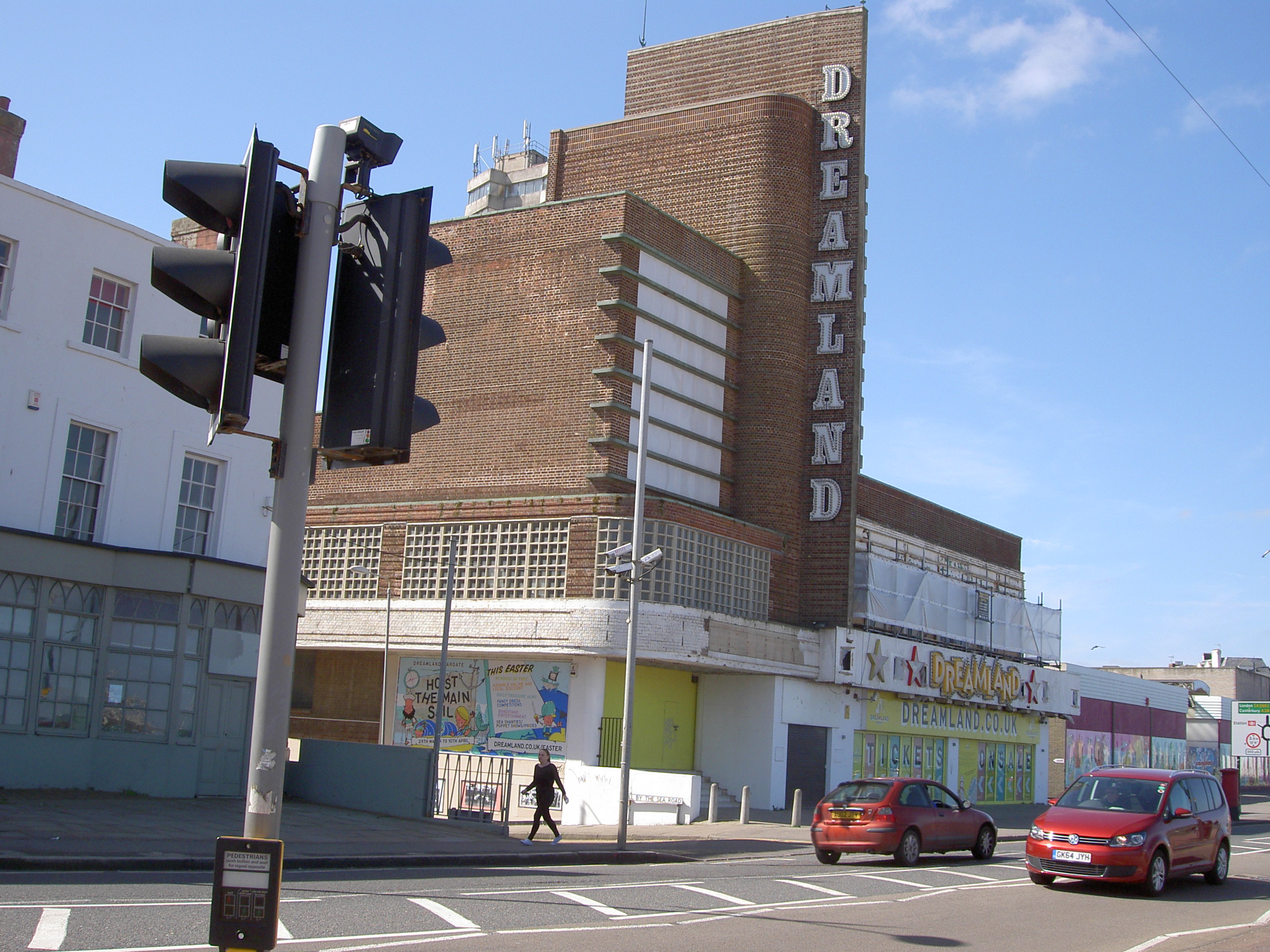
I continued on my way, and once again passed the main sea-front of Margate. Dreamland has been refurbished, but still looked pretty desolate, and the entrance to it is still down an alley adjacent to the Odeon Cinema—-now abandoned and looking more like a disused gasworks than a cinema.
I thought then how Westgate, the next place along the coast, which had always lived in Margate’s shadow because its beaches were not so good, and even non-existent at high tide, now seemed to have much more pride in itself than Margate appears to have. Westgate cinema is all freshly painted, looks great, and has the latest films showing. Such a contrast to the Odeon at Margate!
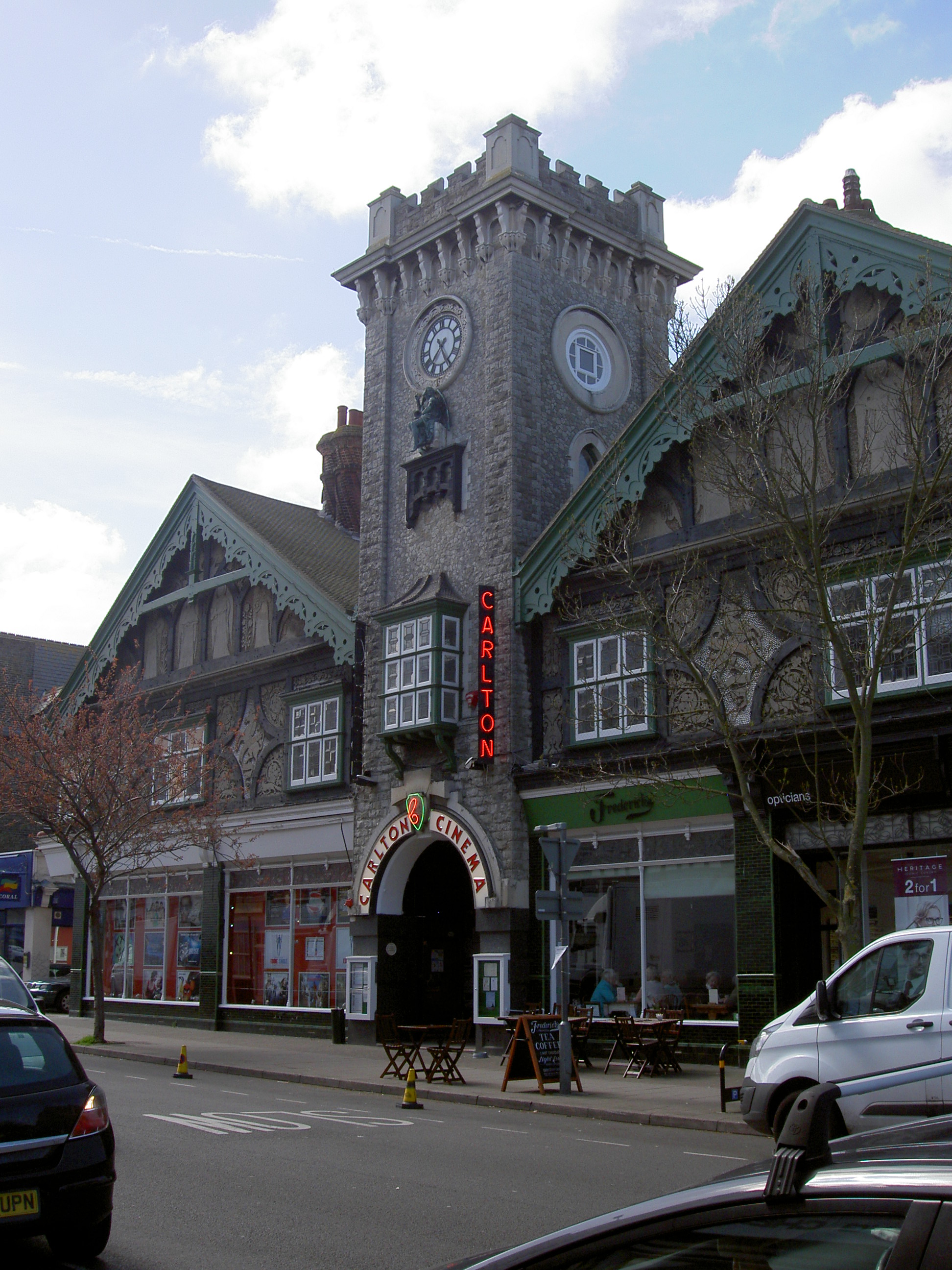
So, what is to become of Margate? It does seem to me that its attempts at pulling itself out of the mire by using the power of the arts, is having an effect. The Turner Centre has led to the re-birth of the old harbour and market area with some nice cafés, bars and so on. The Theatre Royal appears to be prospering. If Margate can shake off the old ‘kiss-me-quick’ hats and candy-floss thinking; if it can redevelop the main seafront with some good accommodation, (holiday or more permanent residential), some decent restaurants, all of which would have direct sea views, it might get there. But certainly the source of its previous wealth, the London day-tripper, no longer exists, and is very unlikely to return.
 Slingsby's Miscellany
Oh dear Oh dear Brian. Your words and pictures paint that scene so well.
So now you know why I stopped living in Margate in 1991!