So here we are in Whitstable, which, for those who are not familiar with this part of England, is on the north coast of Kent, at the extremity of the Thames estuary. It is readily accessible from London by rail, which passes through the Medway towns of Chatham and Rochester, well known to the fans of Charles Dickens. From the Medway towns, the train passes through Sittingbourne and Faversham before it reaches Whitstable, and then continues through Herne Bay, Birchington, Westgate, Margate, and Broadstairs before terminating at Ramsgate. We will be visiting some of these towns, and I shall write a little about them, but if you scroll back through the Blogs from 2012 and 2016, many of them get a mention there.
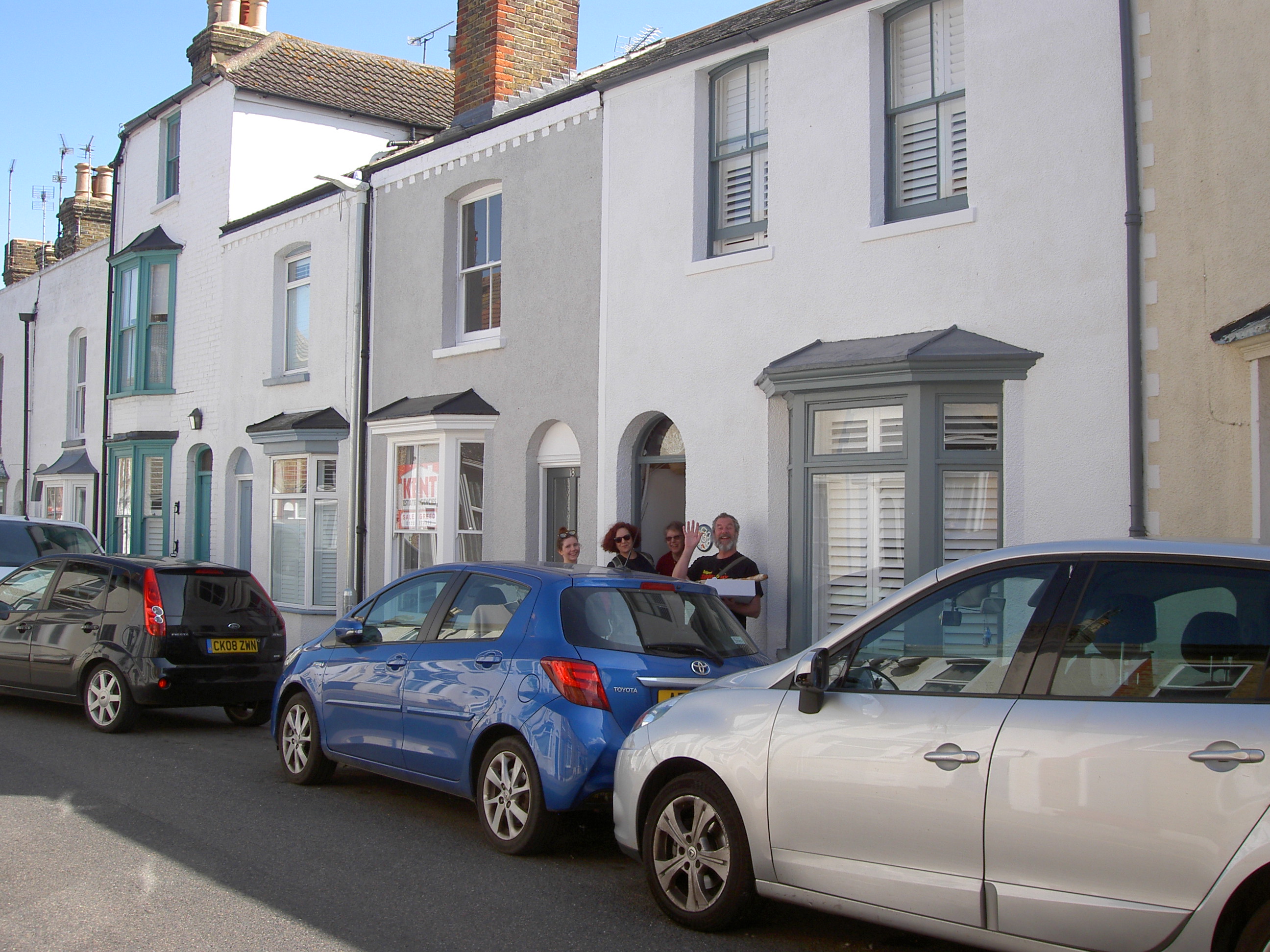
But this particular Blog will concentrate on Whitstable, and first I must mention our accommodation here. It is in Argyle Road, and just a stone throw from the main shopping street, Oxford Street. The house next door but one has a plaque on the wall with the date 1866, and it would not be unreasonable to assume that our house is about the same age, as all the houses make up a complete terrace of very similarly designed dwellings.
The house is basically one room wide, and three rooms long, with a sitting room at the front, then what would have been a separate dining room, (now with the partition wall removed to make one larger sitting room), and lastly the kitchen. Upstairs we have three bedrooms and a bathroom. There is a nice courtyard garden at the rear of the property, accessible from the kitchen. It is a quaint and cosy house, very well positioned close to all the town amenities. The furnishings are a charming mixture of odd items, and the kitchen facilities are amazingly good. In fact I don’t think we have ever had such a well-appointed kitchen in any of the many rental holiday accommodations we have used. The cookware includes several Le Creuset items, and the kitchen knives are of top quality. The stove has 7 gas hobs, and two electric ovens. I have so far cooked three dinners, and have enjoyed every moment pottering in the kitchen. Whilst on holiday, others might like to laze their time away on the beach, but I am quite content to roll up my sleeves and get into a kitchen—–and this has been the best ever! There are even two balloon whisks!
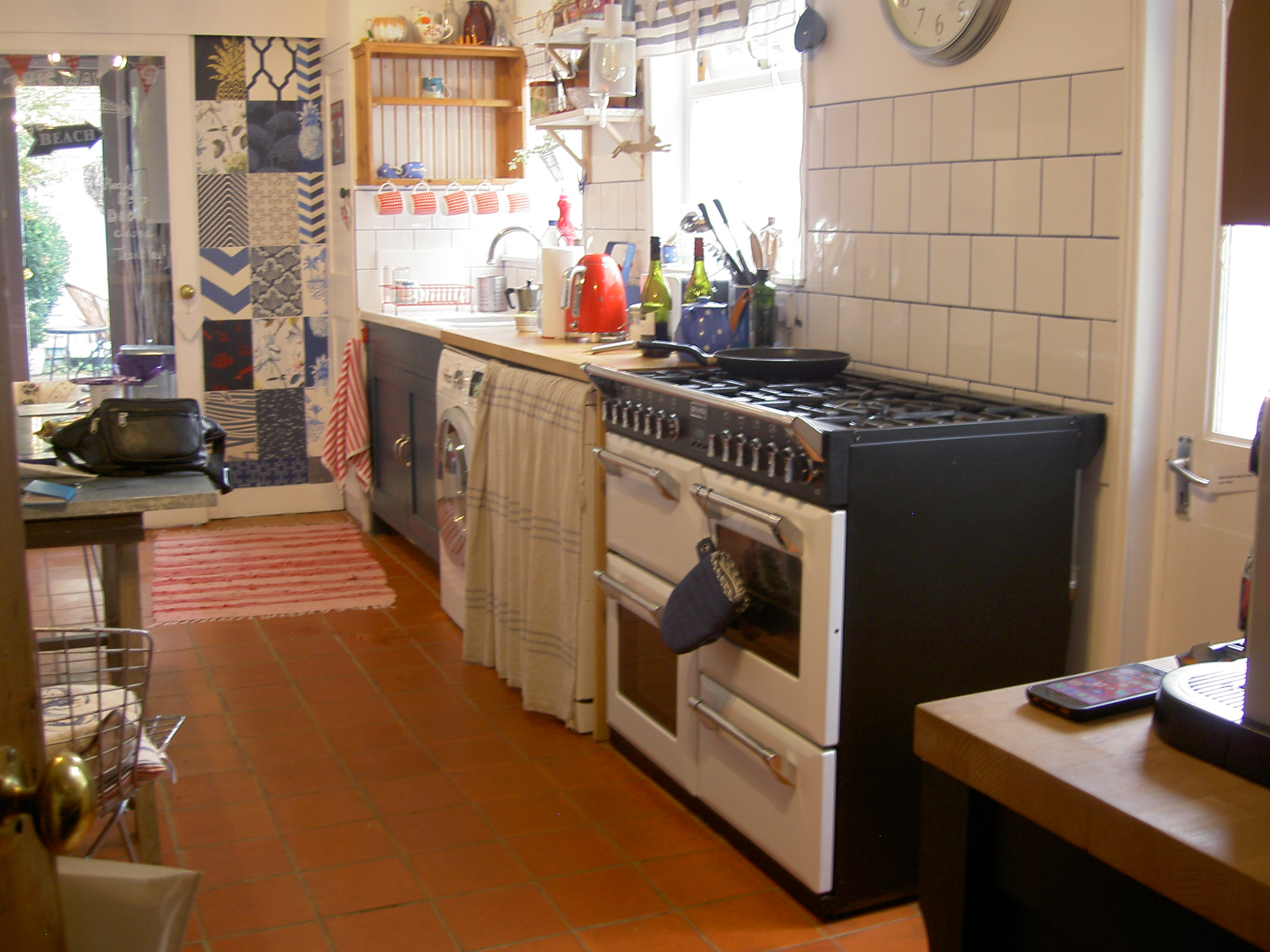
Nothing is lacking, except for a pastry rolling pin, for which an empty beer bottle made a readily available and very effective substitute. But really, who would need to make pastry whilst on a seaside holiday?
But enough of the domestic arrangements; let us now have a look at Whitstable as a town.
Car parking is a major problem, so we have not hired a car for this part of our holiday. And with the so-called “Triangle Bus”, which runs every 15 minutes in both directions on the triangular route joining Whitstable, Herne bay and Canterbury, and links every 15 minutes from Canterbury to most of the other places we wish to visit, a car is not really necessary.
Whitstable is an old town, with a lovely deep-water harbour.
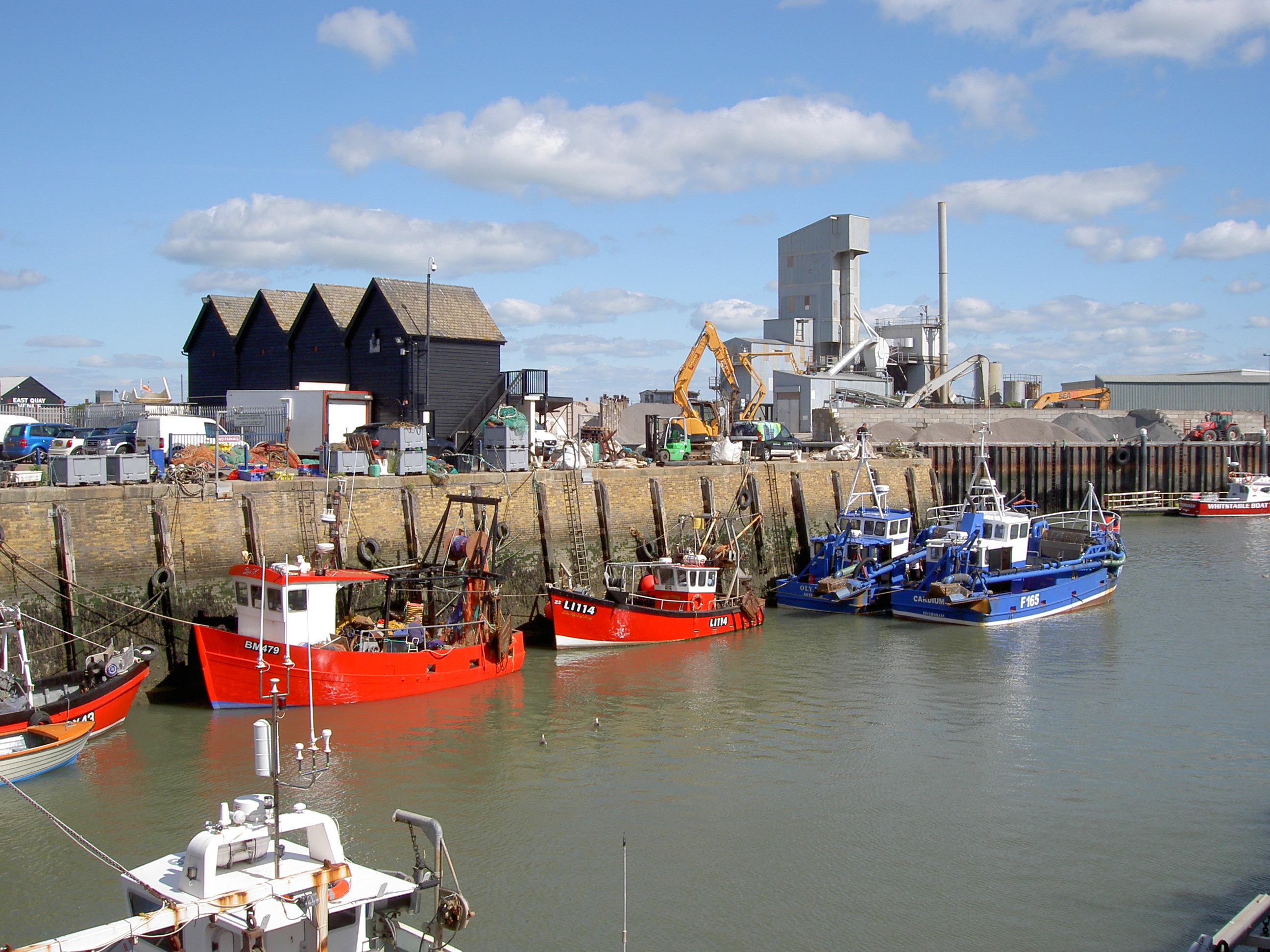
Well, it is deep when the tide is in, but empty when the tide is out. Being a frequent user of the gently sloping pebbly beach at nearby Herne Bay as a child, I had not realised that there is about a five meter tide in these waters! Through the 19th century Whitstable harbour was an important part of the local industry, in that coal from the mines in the midlands was brought in by ship. Fishing is also very important, and Whitstable was, and still is, famous for its oysters which have been harvested here since the Roman days. Oyster harvesting became commercialised late in the 18th century with the establishment in 1793 of the Free Fishers and Dredgers of Whitstable. The harvesting industry reached its heyday in the mid 19th century, and is still very important, but with oysters now being actively farmed by the Whitstable Oyster Fishery Company, rather than simply harvested.
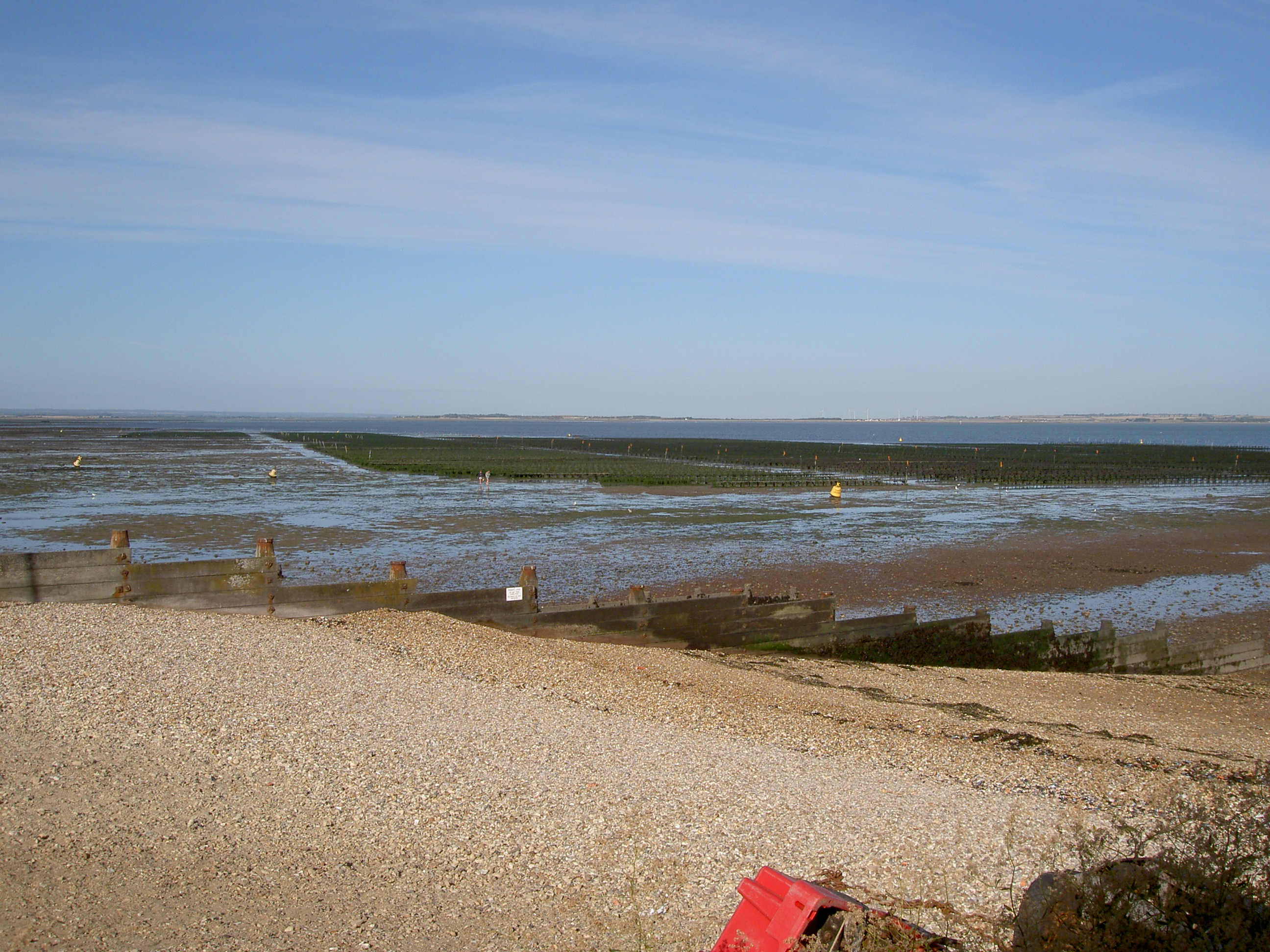
The local native oyster, Ostrea edulis, is a mud-dwelling, free living species. But Pacific oysters, Crassostrea gigas now make up about 80% of the crop. The native oysters, which take about three years to reach market size, currently retail at about £2.50 each, whilst the faster-growing pacific oysters are only about £1.00. The history of oysters at Whitstable is quite convoluted, and maybe, if I can sort it out a bit, I might write a bit more sometime.
Interestingly, at Merimbula, our favourite sea-food restaurant is Wheelers Oysters. Here in Whitstable there is a Wheelers Oyster Bar, but they assure me they are in no way related—pure coincidence!
As a port for the delivery of coal through the 19th century, Whitstable was at the forefront of rail transport. After building the famous “Rocket” in 1829, Stephenson immediately went on to build his next steam engine, the “Invicta”, which was used to haul wagons of coal on the first part of the 6-mile journey from Whitstable to Canterbury. It could not go the whole way, as it couldn’t get up hills, and a stationary engine was placed on top of the hill, and with two miles of rope, pulled the wagons up. They were then let to free-wheel down the other side to Canterbury!
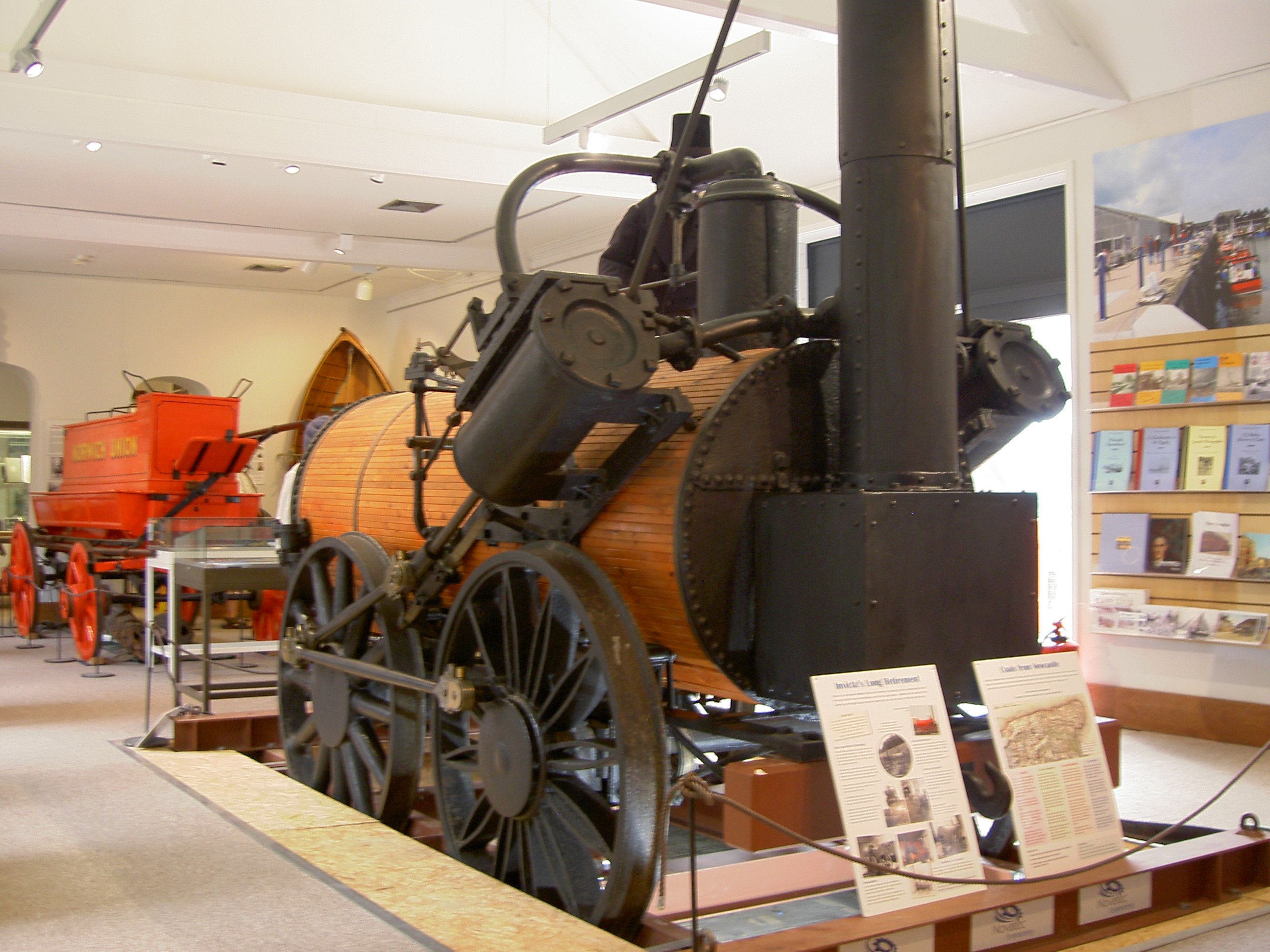
A tunnel was built, but Invicta’s chimney was too tall, and it could not get through. As well as coal, this railway was the first in the UK to take passengers, and also the first to offer ‘season tickets’ to regular commuters. However, the opening of the Kent coal fields at the end of the 19th century spelled the end of what had become known as The Crab and Winkle Line. Invicta was retired, and for many years was on display at a site just outside the Canterbury city wall, before being painted bright red and set up as a climbing frame for children in a public garden just inside the city wall. In 2018 it was removed and restored, and in June of this year, was relocated to the museum in Whitstable where it is preserved on public display. Also relocated to the museum, but not yet restored, is the old stationary engine that pulled the wagons up the hill. Today, in addition to the fishing and tourist boats, the harbour still has a role to play in the importation of aggregates for building and road construction.
Whitstable is now quite a thriving tourist destination, and the old Crab and Winkle rail line is a well-maintained and popular walking and cycling track. Around the harbour there are several new developments of restaurants and apartments under construction, and many of the old traditional fishermen’s huts have been gentrified and may now be rented through any of the accommodation on-line booking services. Similarly, many of the old pubs around the harbour end of the town have become the haunts of tourists and the ‘newcomers from London’, to the chagrin of many older locals. However, there are still a few old pubs which have not made an effort to seduce the tourists, and which retain their ‘local pub’ ambiance. One of these, The Coach and Horses, established in about 1805, and managed by my great grandfather from about 1884 to 1898, is still very much a ‘local’ pub.
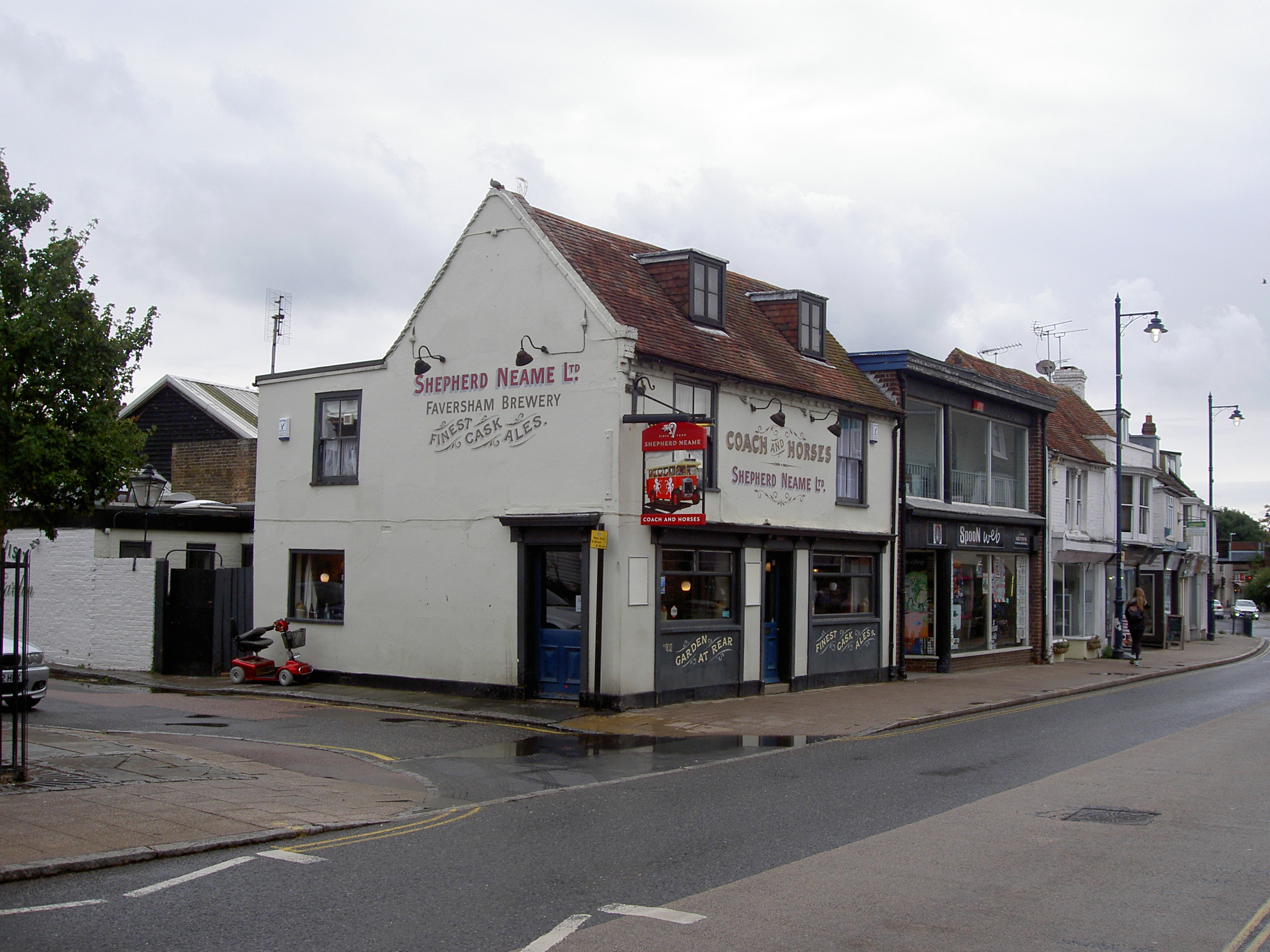
I called in for a mid -afternoon pint to find just four older men sitting on stools at the bar; probably the same stools they sat on yesterday, and will be sitting on again tomorrow. Just how long these last few ‘local pubs’ can survive has yet to be discovered.
Incidentally, the Kent coal fields which put an end to the Crab and Winkle Line were discovered during the very first attempt to build a tunnel under the English Channel to France late in the 19th century. A tunnel was first proposed in 1802, but no attempt at construction was made until the end of the 19th Century. That try went nowhere, and the currently operating tunnel was commenced in 1988 and opened in 1994.
There will be a bit more on Whitstable in the next blog.
 Slingsby's Miscellany