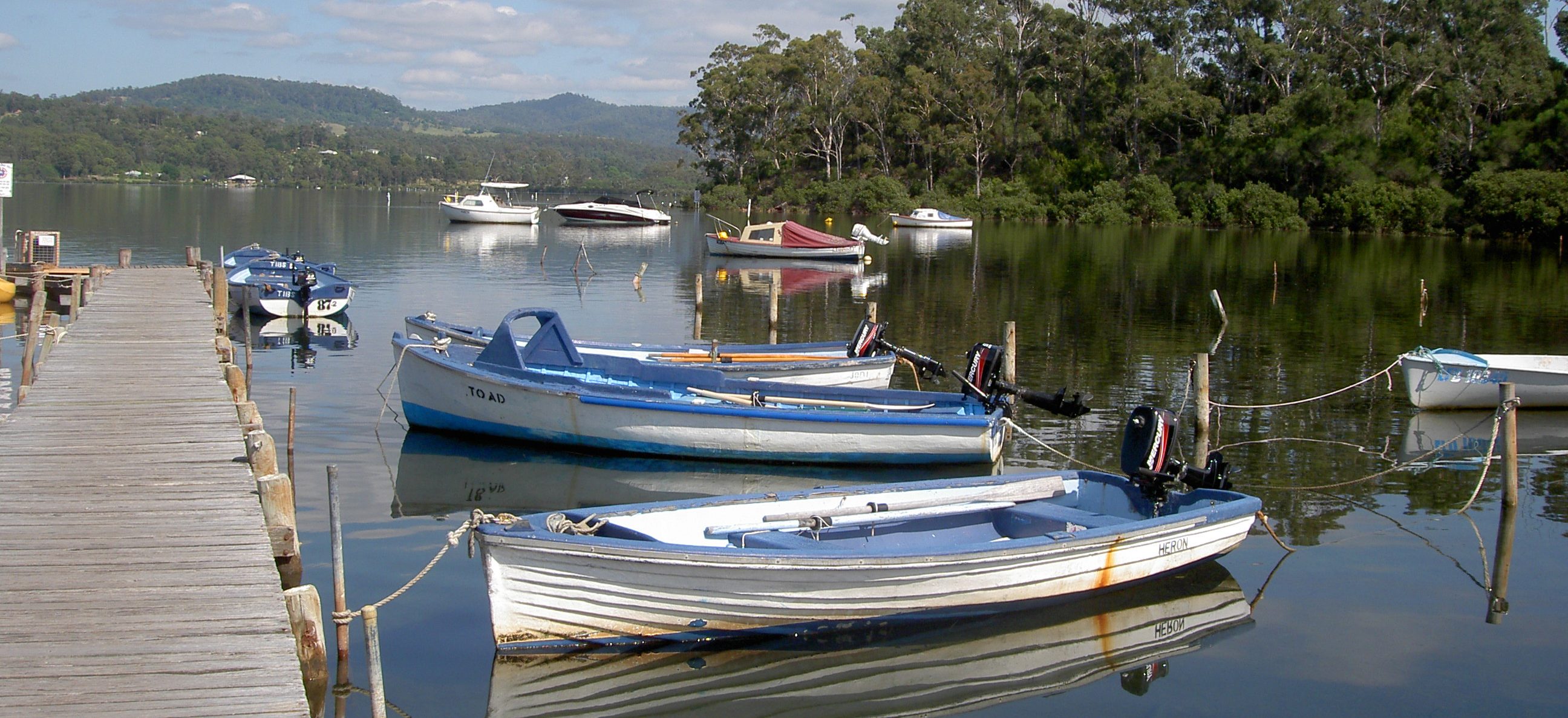
Final day in Whitstable
We are now into our last couple of days at Whitstable, the weather is still perfect, and one half of our party has gone to Canterbury to collect the hire car for the next leg. It is amazing how time has got away from us, as we consider we still have more we would like to achieve here.
We made a trip to Gatwick Airport to collect our Granddaughter who had flown in from Melbourne via London and Italy, and the following day walked to the top of Borstal Hill on the outskirts of Whitstable to meet our daughter who arrived direct from Melbourne.
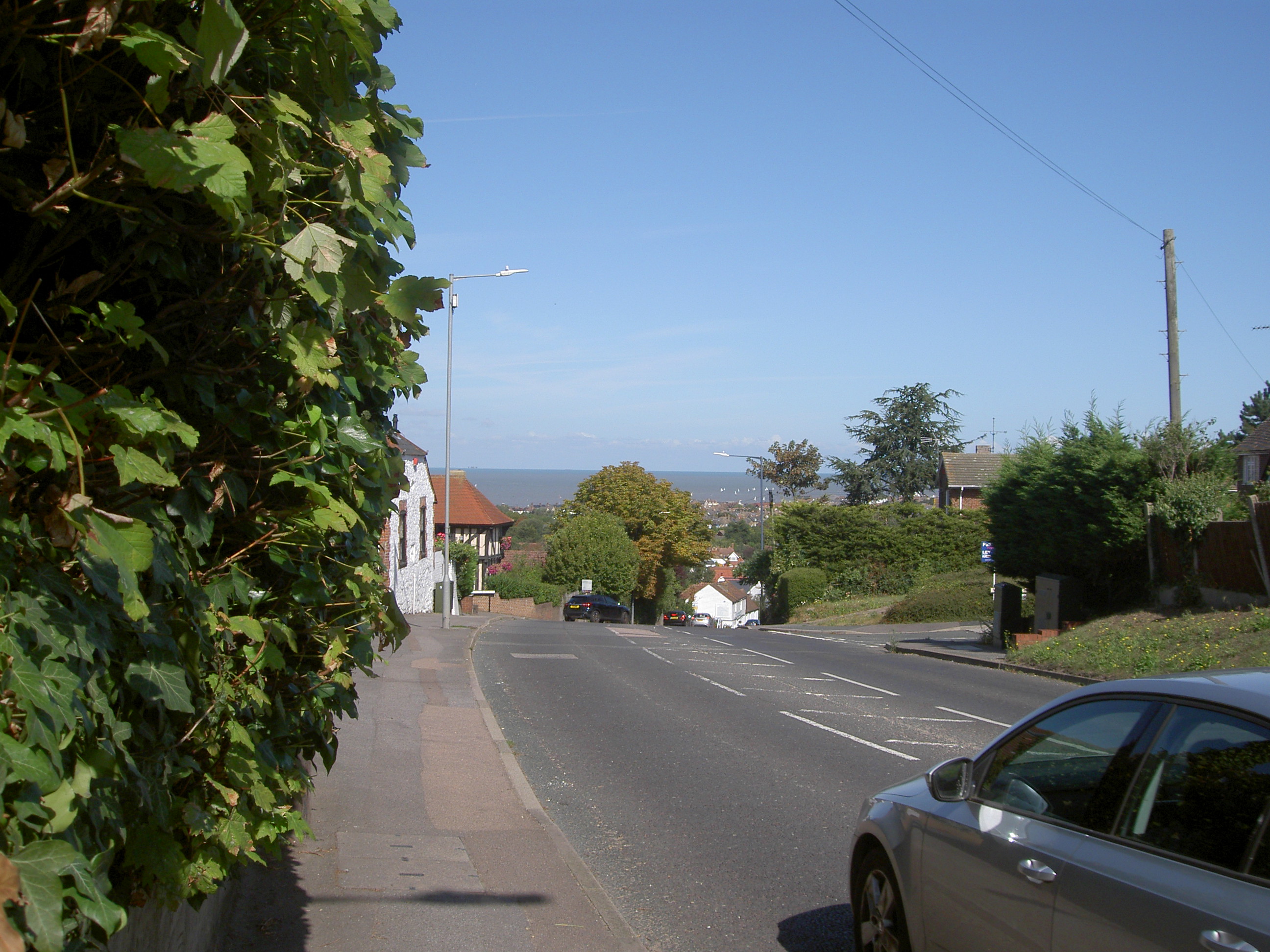
We were now the complete family party for the first time ever in the UK; we have all been in the UK at separate times over the past 30 years, but it was very nice this time to all be together—even if only for one week!
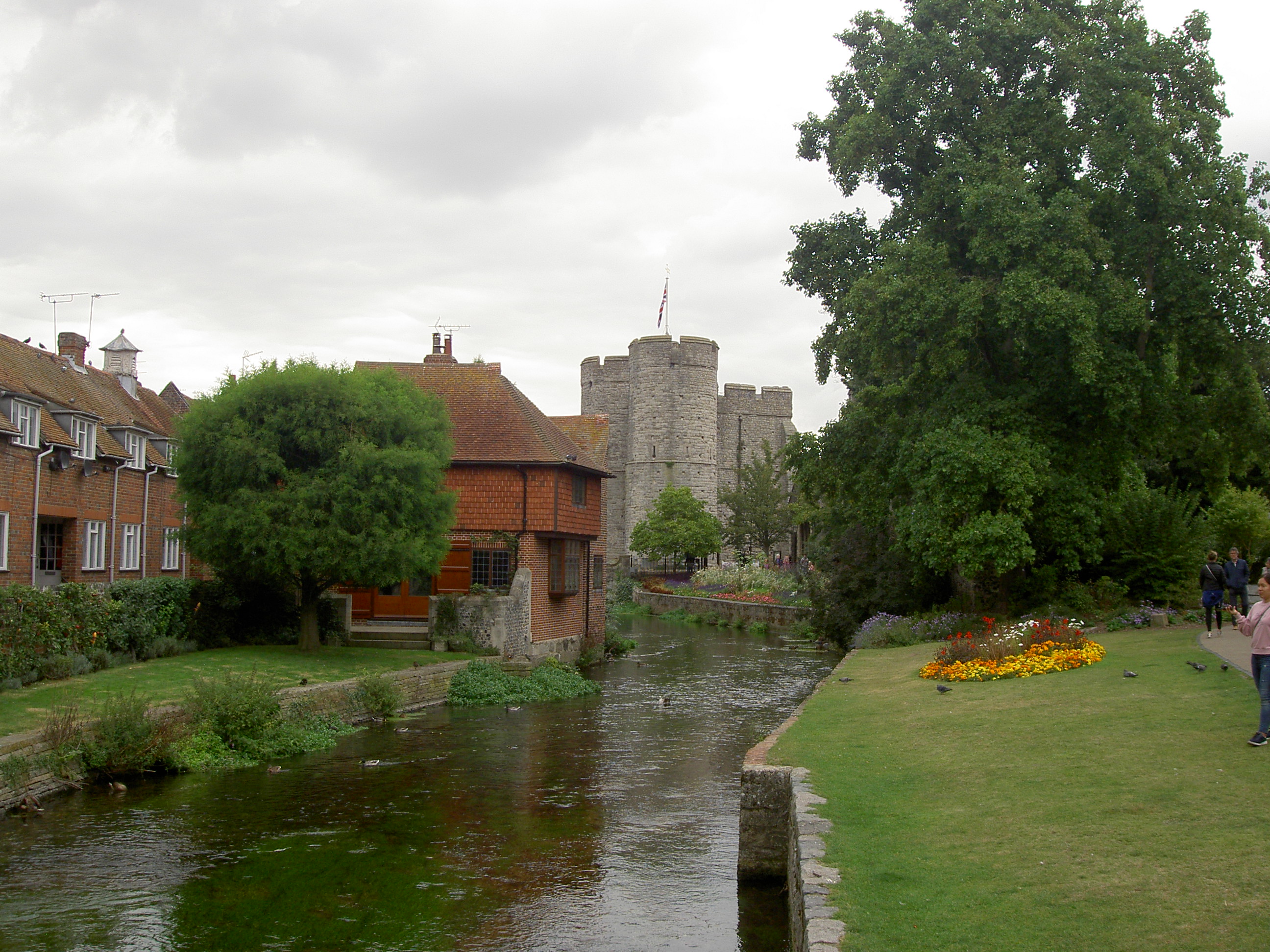
We have been to Canterbury a few times, and caught up with old friends and not so old nephews and nieces there. We have walked past the West Gate of the old city wall, and through delightful gardens along the river Stour.
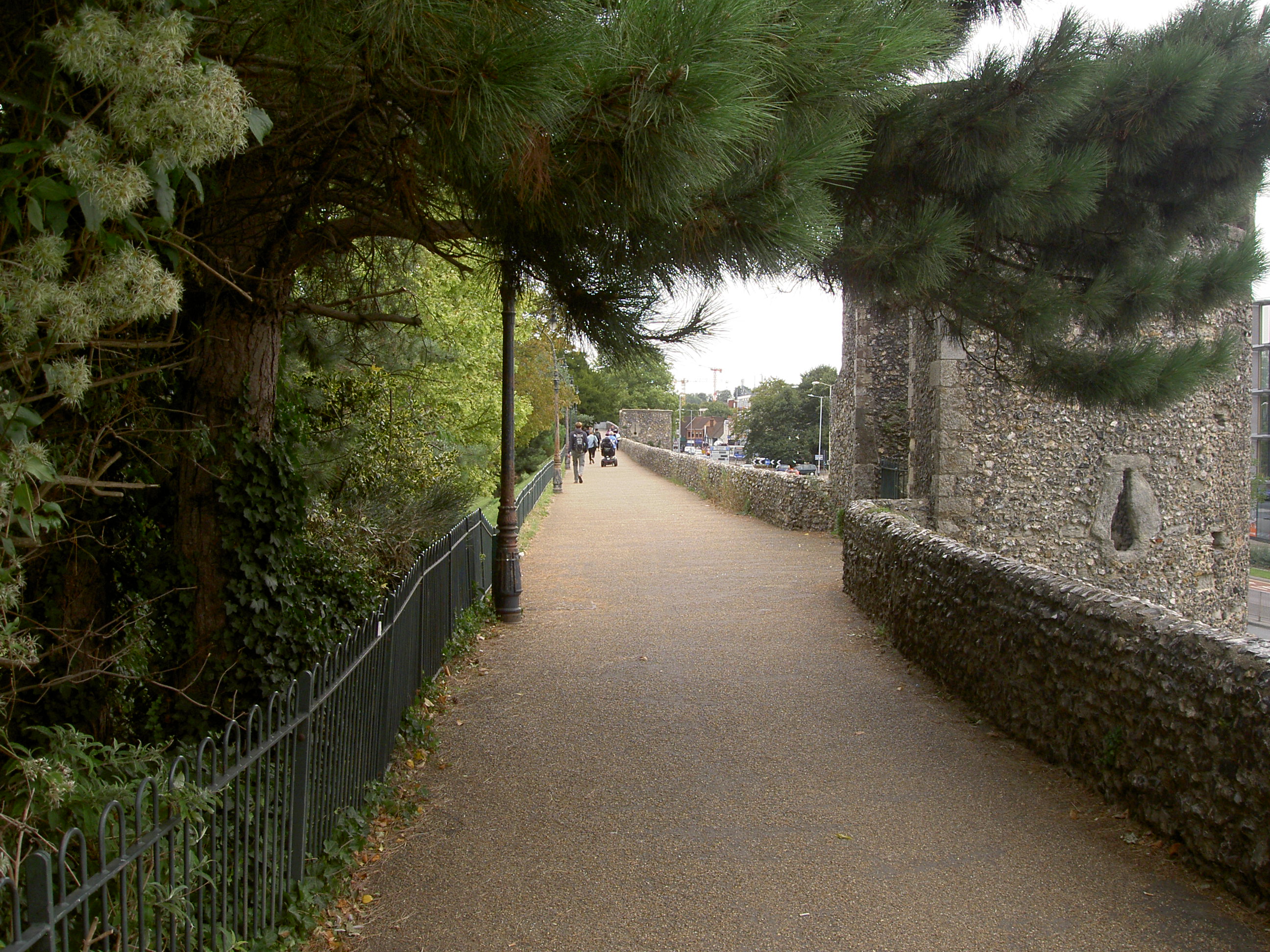
We have wandered along the remnants of the old city wall, now only a few hundred metres remaining, the rest having been demolished long long ago.
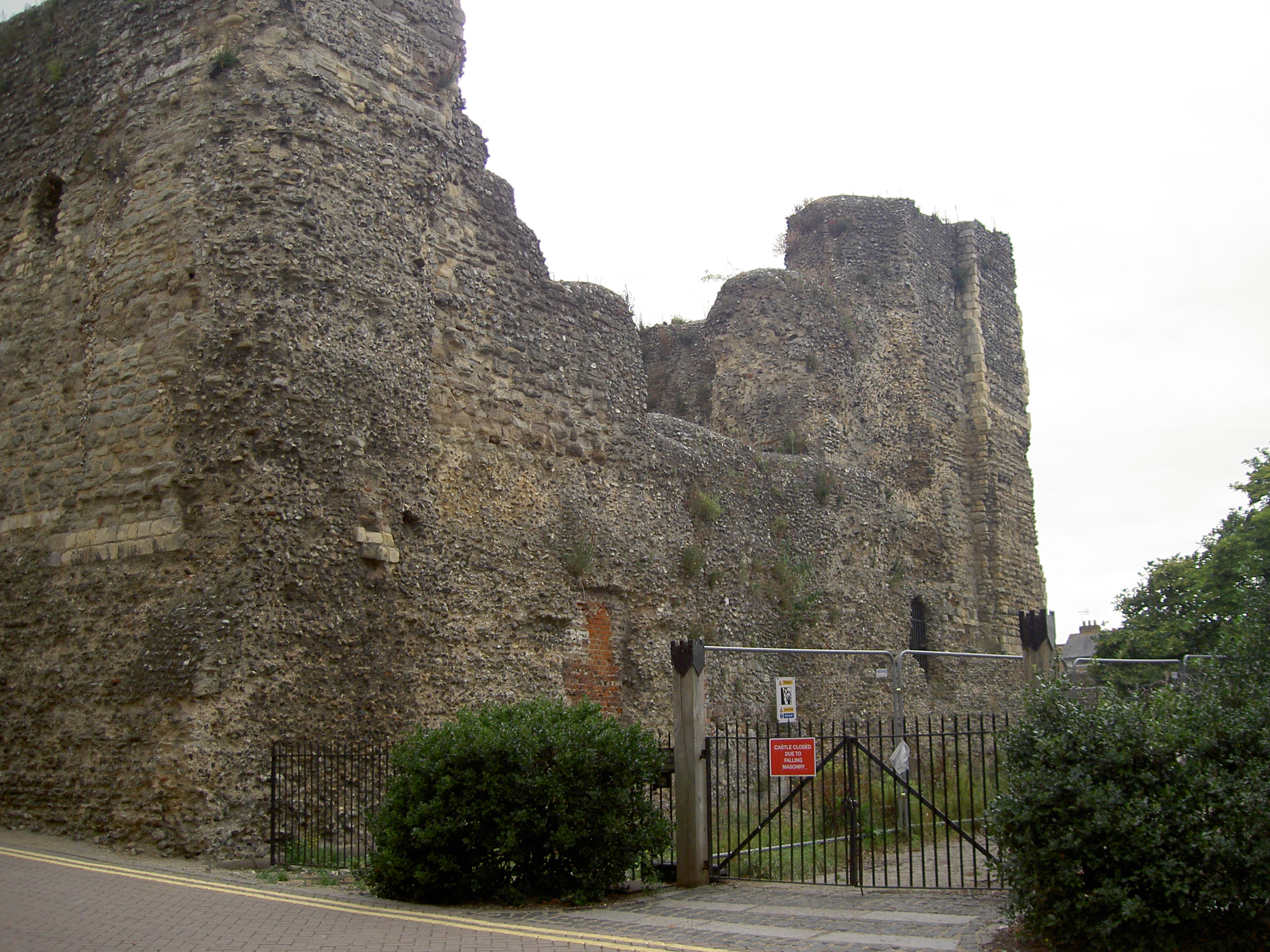
We passed the ruined castle, originally built soon after the Battle of Hastings (1066), and now closed to visitors as the structure has become unsafe with the risk of falling masonry;
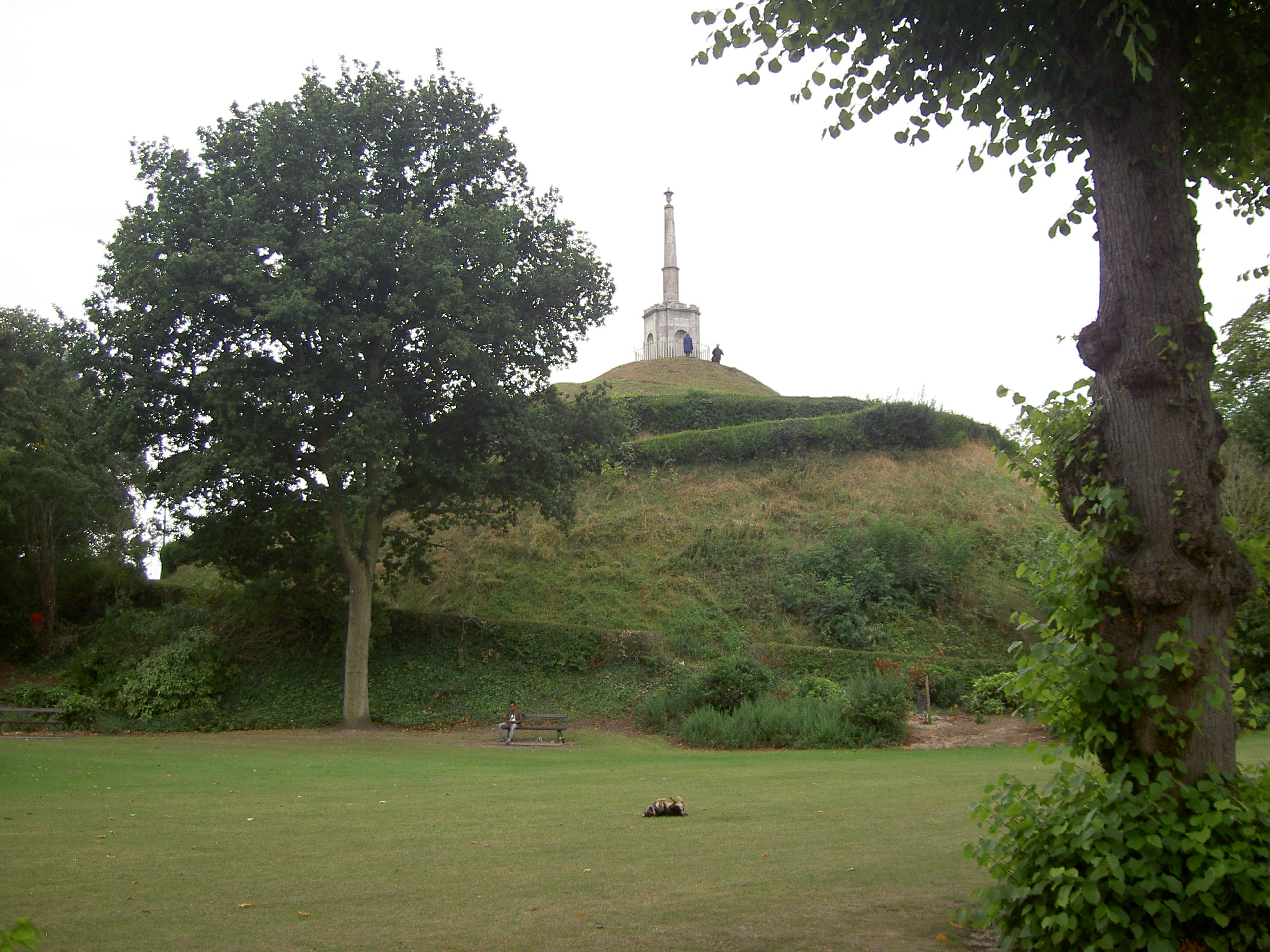
and the Dane John, believed to be a 2nd century burial mound.
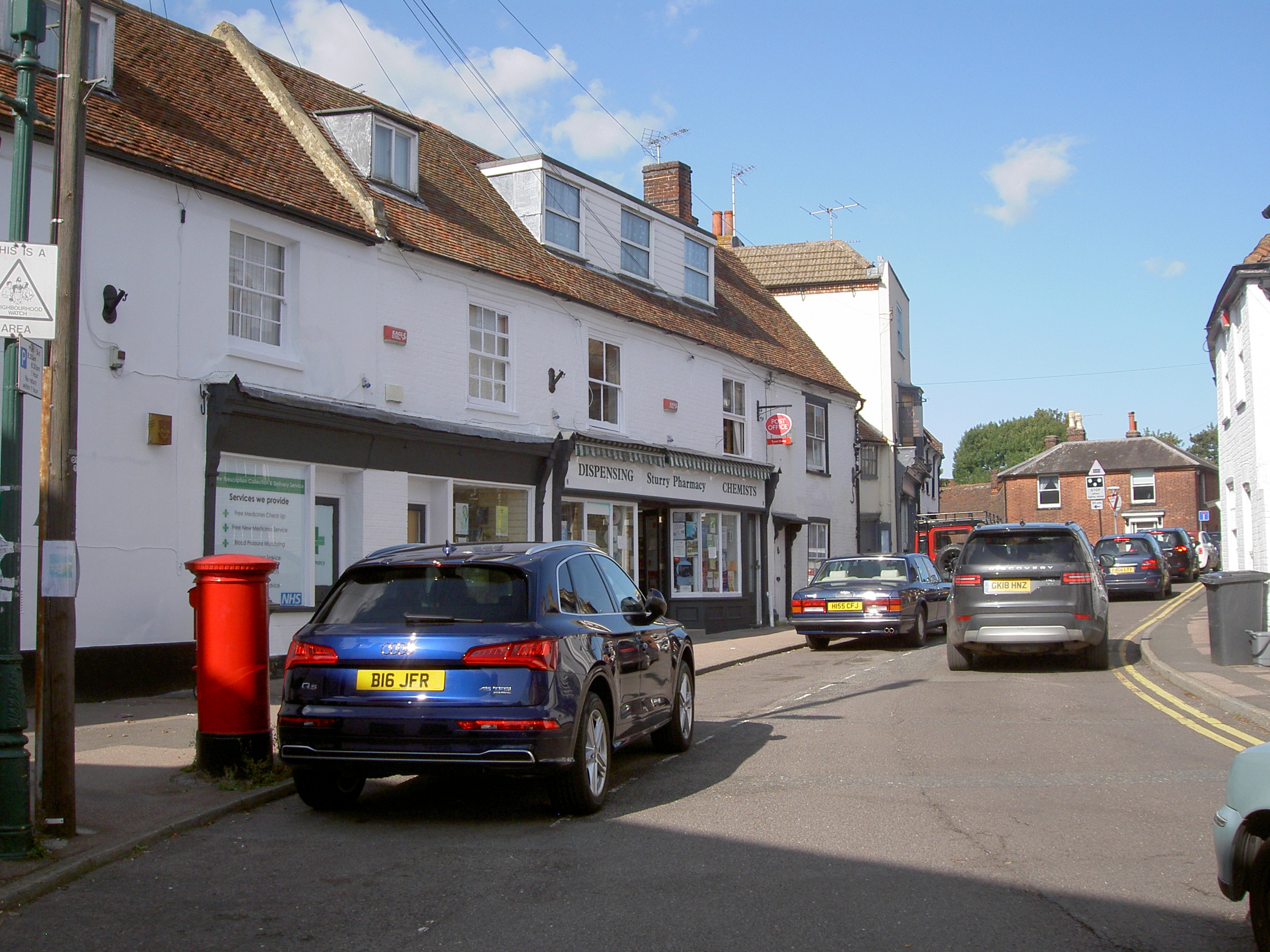
We caught the bus to Sturry, and asked the driver if he stopped near The Welsh Harp Inn, from which we could walk to Fordwich. The driver was much younger than we, and had no idea that the pub now called The Middle of the Road was once The Welsh Harp! Anyway, the bus did stop where we wanted it to, irrespective of the name change, and we wandered through the village of Sturry where my maternal grandparents lived. We visited the old post office where an aunt worked when I was a child,
and we strolled through the churchyard to the Sturry mill pond.
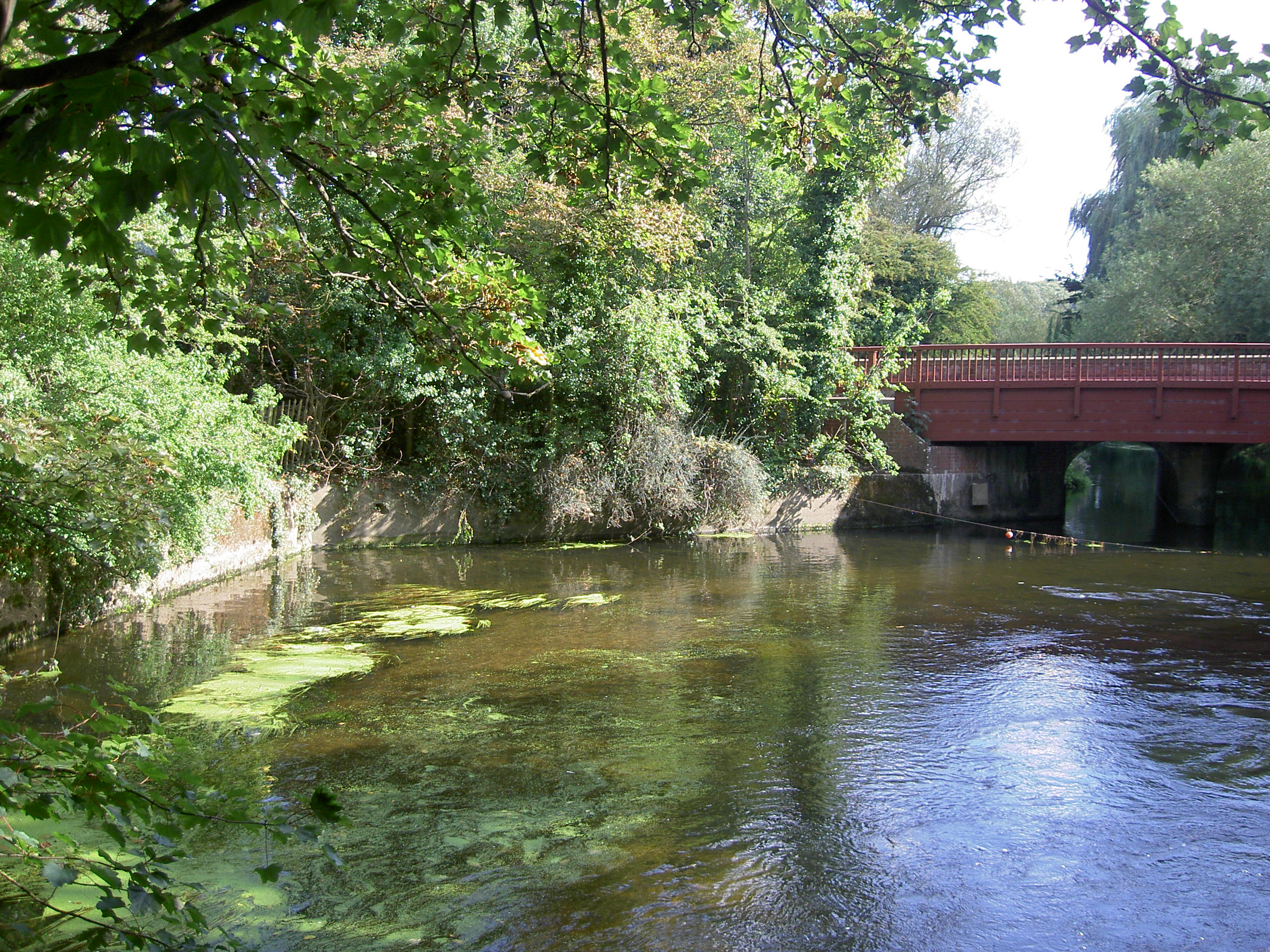
The mill had burned down many years ago. As a student of the Sturry primary school, long ago demolished and now a housing estate, I used to catch elvers (baby eels) like strands of black cotton, in the shallows of the pool as they returned from the eel breeding grounds in the Sargasso Sea.
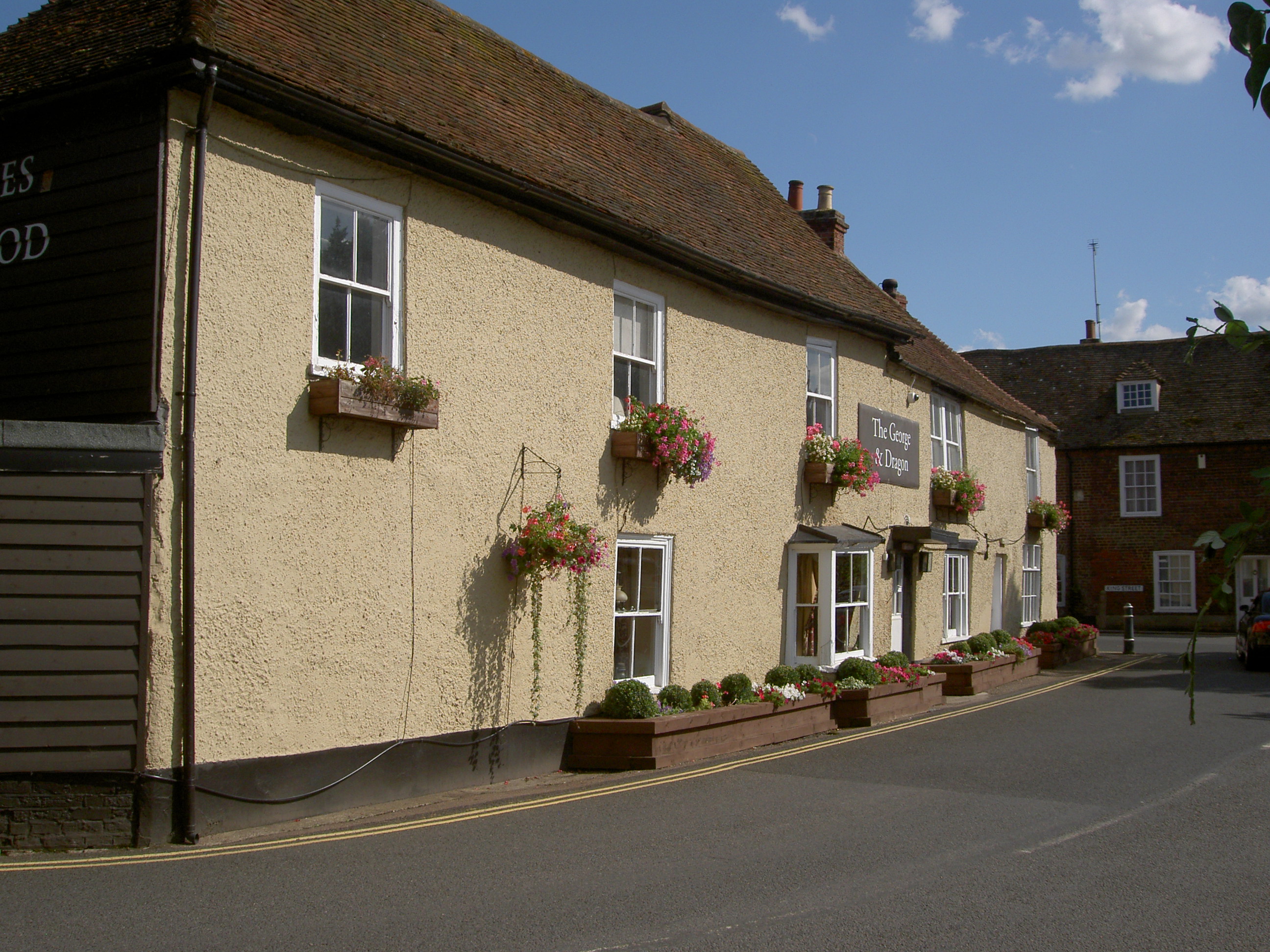
We walked to Fordwich, and enjoyed couple of pints and a splendid meal at the George and Dragon. More than 50 years ago I had my 21st birthday dinner at the George and Dragon, and the old pub was exactly as I remembered it!
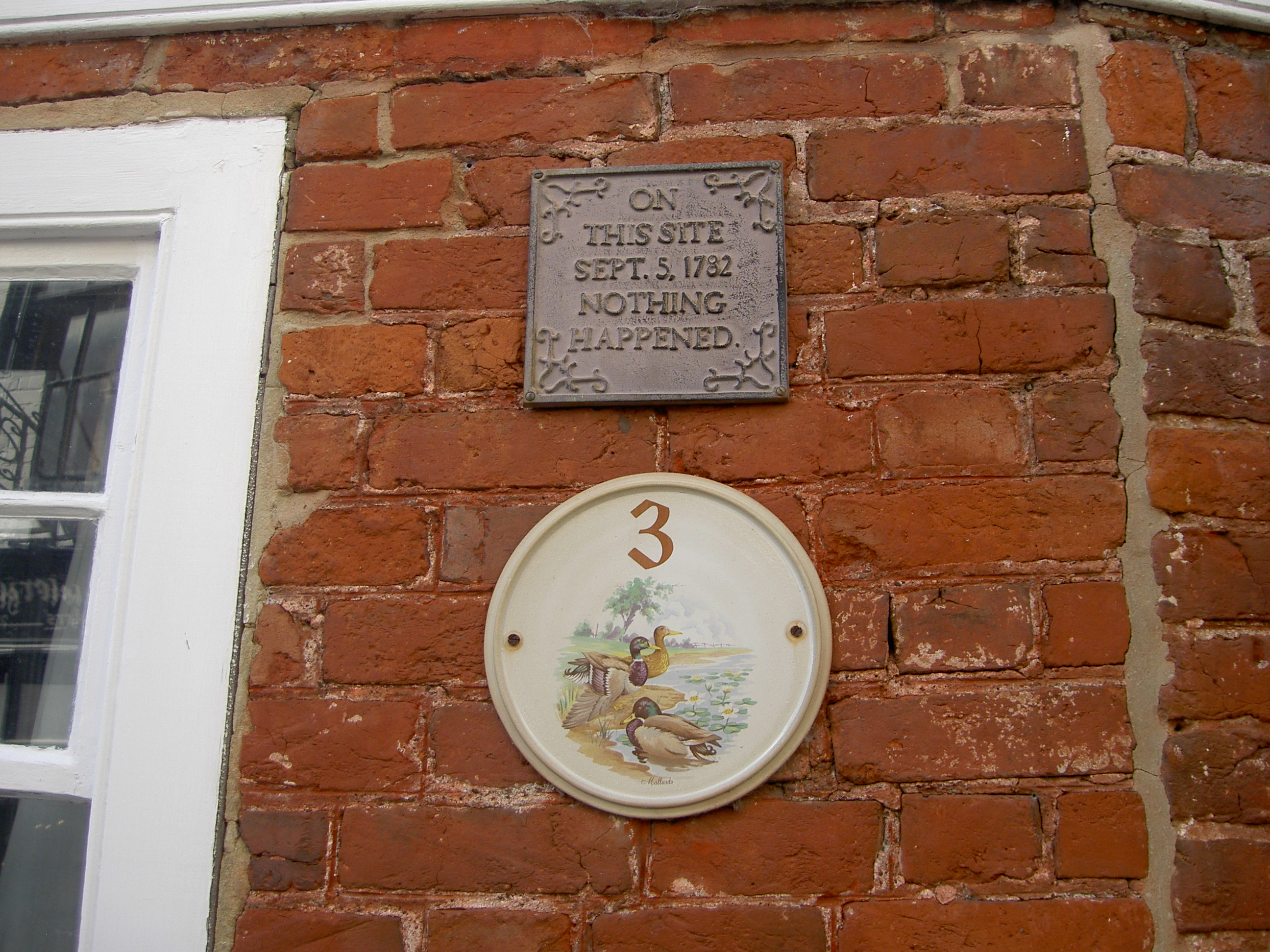
Our roving bus ticket also took us to Sandwich one afternoon, but as we left late in the day, we only had time for one beer before getting on the bus back to Canterbury. Whilst Sandwich was a very significant port in the old days, it appears that on September 5, 1782 nothing worth commemorating happened!
But what we did see at Sandwich, through the windows of the bus, was a huge solar power plant.

This is one of many such arrays that we have seen, and is what we should be doing in Australia, rather than subsidising wealthy people to put half a dozen panels on their roof tops!
We also made a nostalgic trip to Faversham, where I went to school.
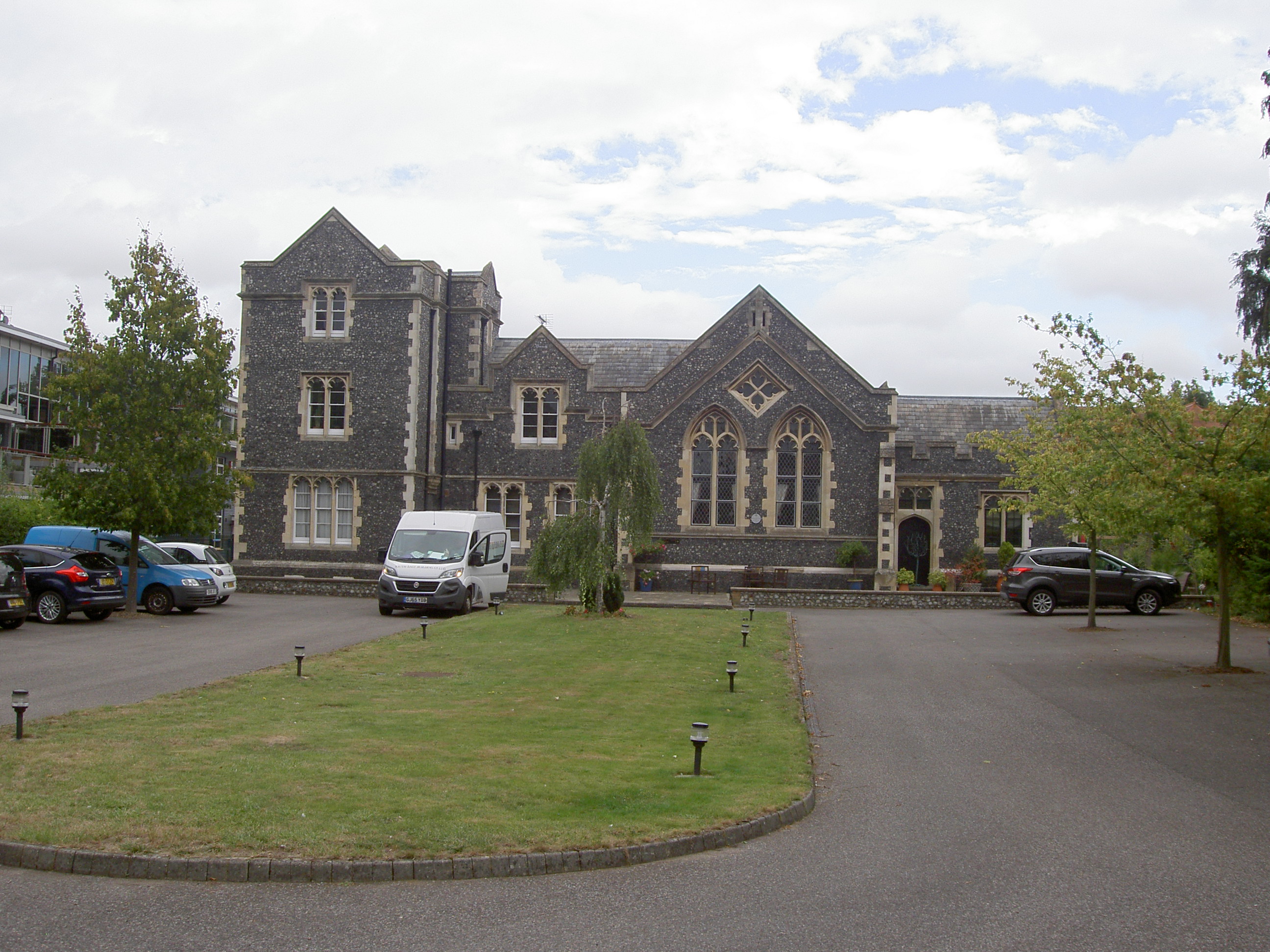
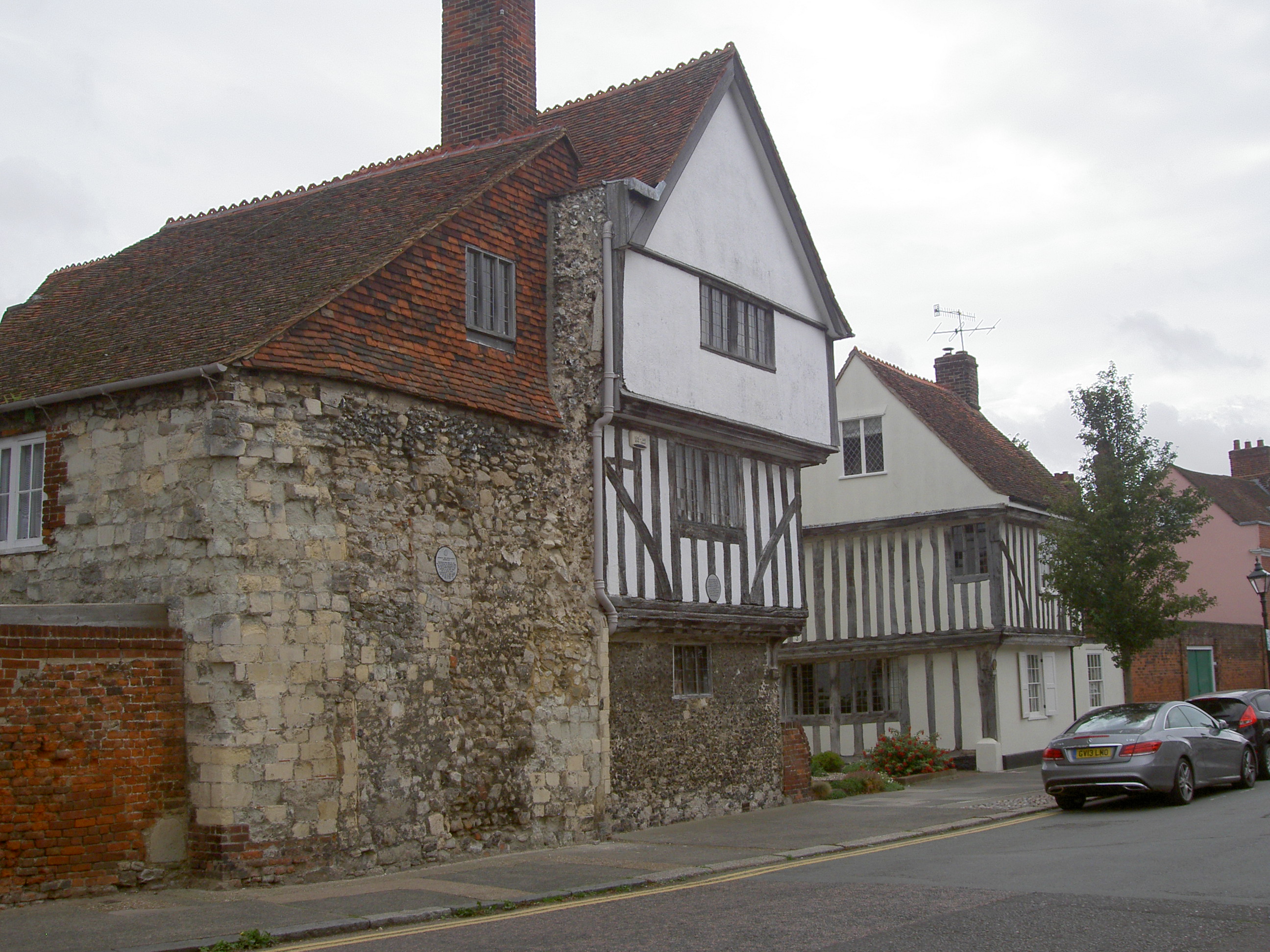
I even managed to provide the ladies in the Information Office with some more accurate information on the location of the old school, which has since been redeveloped on a new site beyond the church. We found the house of Thomas Arden, the quondam mayor of Faversham who was murdered by his wife’s lover in 1551. His story has been told in the (probably) Shakespeare play, Arden of Faversham; and we enjoyed a pint in a pub on the bank of Faversham Creek.
Between Canterbury and Margate we went across the Wantsum Channel, less than 2000 years ago a three kilometre wide navigable waterway, now reduced to a two meter wide marshy stream. This accounts for the fact that the village of Stourmouth is nowhere near the sea, but in the middle of the East Kent Marshes.
Another of Whitstable’s claim to fame is that the diving helmet was invented here! It was not clear to me how many people might have drowned testing the invention before a successful helmet was produced, but there is a memorial to the achievement close to the harbour.
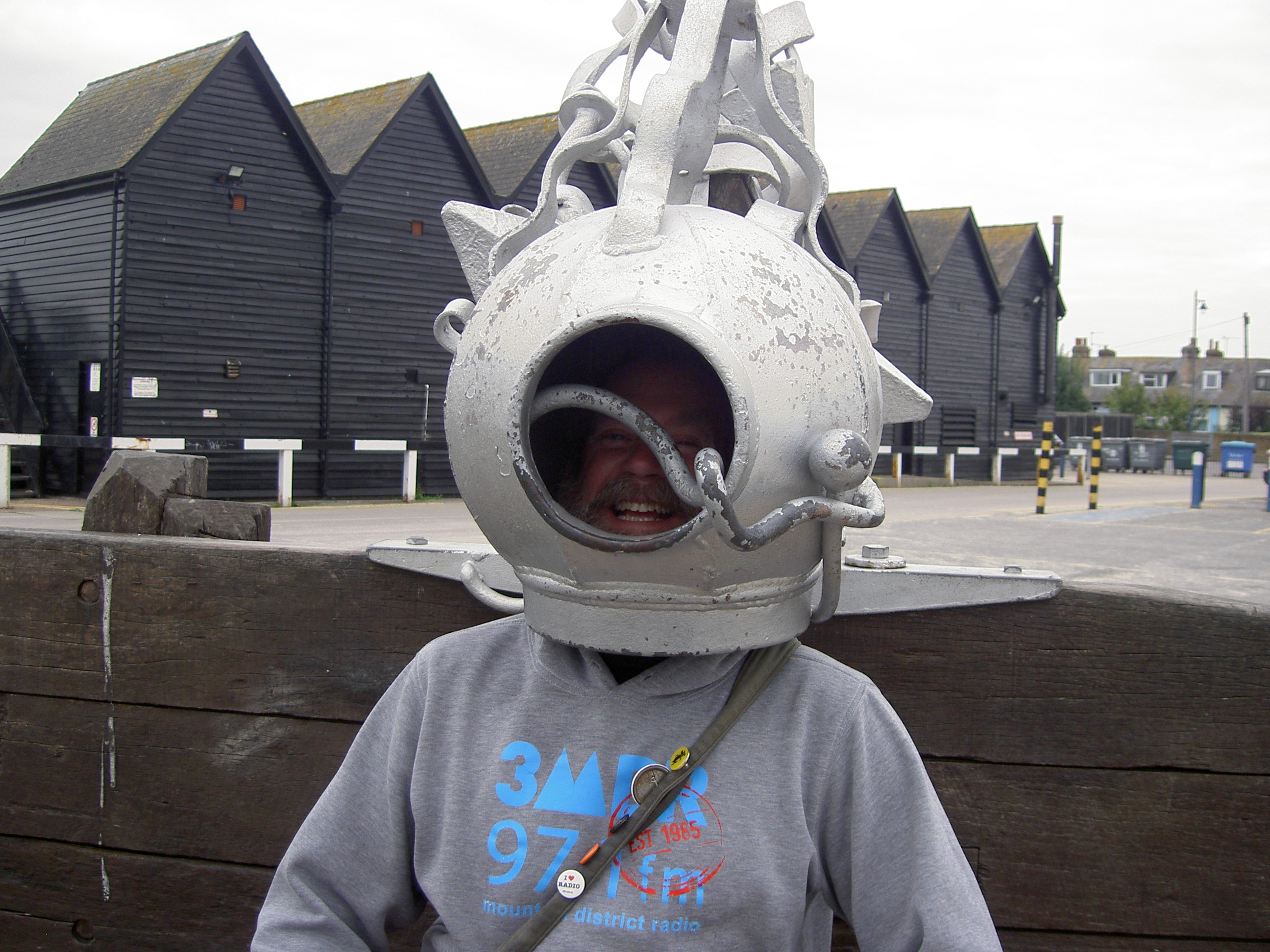
We really enjoyed our sojourn at Whitstable, even though we were contributing to the number of visitors which seem to be upsetting some of the older local residents! It has become rather gentrified in recent years, with people referred to as the DFLs (the Down from London) buying in and thereby increasing the cost of housing for the younger locals—-who are increasingly leaving the area to seek work in London!
The next episode will be our trip to the West Country and the Channel Islands.
 Slingsby's Miscellany
Another great read Brian Thank you
Enjoying your journey and photos and I cannot believe how good the English weather has been. No politics and no cricket commentary-excellent.
Colin.
Enjoyed your Covid blog, Brian
Hopefully you can continue your journey following in the Vagabond’s footsteps before too much longer.
Well done on the radio programmes, most enjoyable